
Fast Fashion vs. Slow Fashion: What the Labels Actually Mean
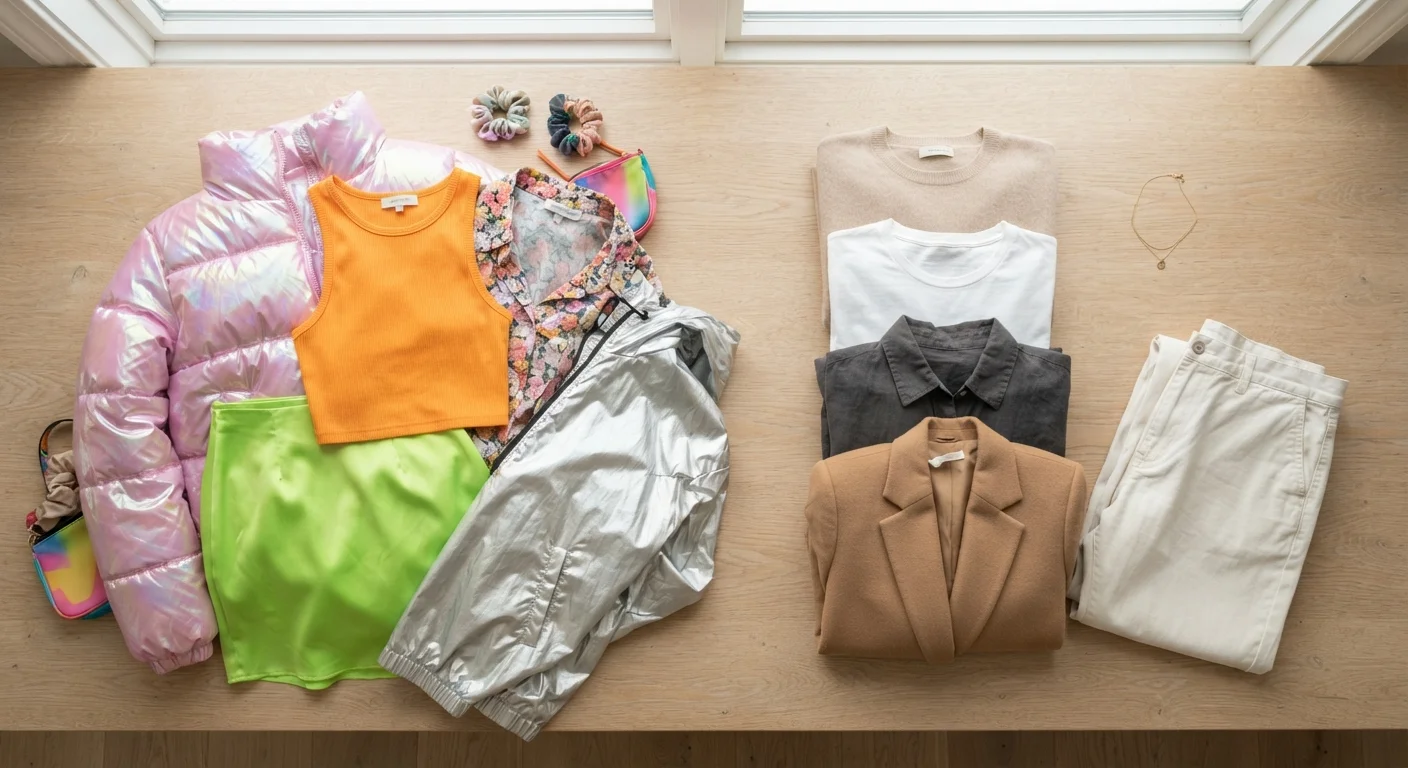
Photo credit: FindersGroove.com | Discover Important Information
In this article
Fast and slow fashion are often described in moral terms, but the reality is more nuanced. Understand the actual differences before deciding what fits your life.
Key Takeaways
- Fast fashion describes a production model, not just a price point - speed and volume are the defining traits.
- Slow fashion is a philosophy of intentionality, not a guarantee of ethical or environmental perfection.
- Neither label alone tells you whether a garment is good quality or worth buying.
- A realistic wardrobe strategy often draws from both approaches depending on your budget and needs.
- Secondhand and resale markets complicate the fast vs. slow binary in useful, practical ways.
What the Terms Actually Describe
"Fast fashion" and "slow fashion" get used a lot - often as shorthand for "bad" and "good." But the labels describe production philosophies and consumption patterns, not a simple moral scale. Understanding what they actually mean gives you a much more useful lens than a guilt-based one.
Fast fashion refers to a manufacturing and retail model built around speed: quickly interpreting runway or social media trends, producing garments at high volume and low cost, and turning over collections rapidly - sometimes weekly. The defining traits are compressed production timelines, global supply chains optimised for price, and clothing designed to be replaced rather than repaired. Price is often low, but that's a byproduct, not the definition.
Slow fashion is a response to that model. It prioritises considered design, higher-quality materials, longer garment lifespans, and - ideally - more transparent supply chains. The term was coined in the 2000s as a direct parallel to the slow food movement. It's as much a mindset about how you buy as it is about what you buy. Think: fewer pieces, worn more often, for longer. For a deeper look at how this connects to personal identity, see what personal style actually means.
| Criterion | Fast Fashion | Slow Fashion |
|---|---|---|
| Production speed | Weeks from concept to shelf | Months; deliberate design cycles |
| Typical price point | Low to moderate | Moderate to high |
| Garment lifespan (intended) | Short; seasonal or trend-based | Long; designed to endure |
| Material focus | Often synthetic blends | Often natural or durable fabrics |
| Supply chain transparency | Generally limited | Often more disclosed (varies) |
| Environmental footprint | Higher per production cycle | Lower - but varies by brand |
| Accessibility | Widely available, budget-friendly | Can be cost-prohibitive |
Where the Labels Get Complicated
Here's the honest part: neither label is a reliable proxy for quality, ethics, or environmental impact on its own. A slow fashion brand with high prices isn't automatically sustainable - greenwashing (making misleading eco-friendly claims) is a documented issue in the industry. Meanwhile, a fast fashion piece bought secondhand from a resale platform sidesteps many of the original model's problems entirely.
~10%
Global carbon emissions from fashion industry
The fashion industry is estimated to account for around 10% of global carbon emissions, according to the United Nations Environment Programme.
3x
Increase in garments produced globally since 2000
Global clothing production roughly doubled between 2000 and 2015, with the pace accelerating further since, per the Ellen MacArthur Foundation's 2017 report on the circular economy in fashion.
~35%
Garments never worn before disposal
Various industry estimates suggest a significant portion of purchased clothing is rarely or never worn before being discarded, though exact figures vary by study and region.
The environmental footprint of a garment depends on how long it's worn and how it's cared for - not just where it was made or how much it cost. Research in lifecycle analysis consistently points to consumer behaviour (wearing things longer, washing in cold water, repairing instead of replacing) as a major variable in a garment's total impact.
Price is also a genuinely complex factor. Slow fashion's higher costs reflect, in part, better materials and fairer labour - but those costs aren't always accessible to every budget. That's a real tension worth naming rather than glossing over. Mindful purchasing habits can help you navigate those tradeoffs without defaulting to either extreme.
Building a Wardrobe That Works for You
The most practical approach for most people isn't choosing a side - it's applying slow fashion thinking to a fast fashion reality. That means being selective rather than wholesale rejecting or embracing either model.
Start by distinguishing between pieces you'll wear constantly for years and pieces that scratch a trend itch you'll outgrow in a season. Your everyday wardrobe staples vs. trends deserve more investment in quality. Trend-driven pieces don't need to be expensive - and often shouldn't be.
Secondhand shopping adds a third option that blurs the fast/slow binary usefully. A fast fashion piece bought used extends its life and removes it from the new-production cycle. Secondhand shopping for everyday clothes has real advantages and real limitations - worth knowing both before committing. And regardless of where clothes come from, fit matters more than the label when it comes to how good something actually looks on you.
The goal isn't wardrobe perfection. It's making choices that align with your values, your budget, and how you actually live - without letting the labels do your thinking for you. If you'd like to push back on the idea that trends should drive your choices at all, the case for wearing what you love is worth reading.

Author
Style & Beauty Editorial Team
Style & Beauty Editorial Team is the collective byline for our editorial team and contributor network. Articles published under this byline or an editorial pen name are researched, written, and reviewed according to our editorial standards for clarity, consistency, and independence before publication.
View all articles →