
Shopping Secondhand for Everyday Clothes: A Realistic Picture
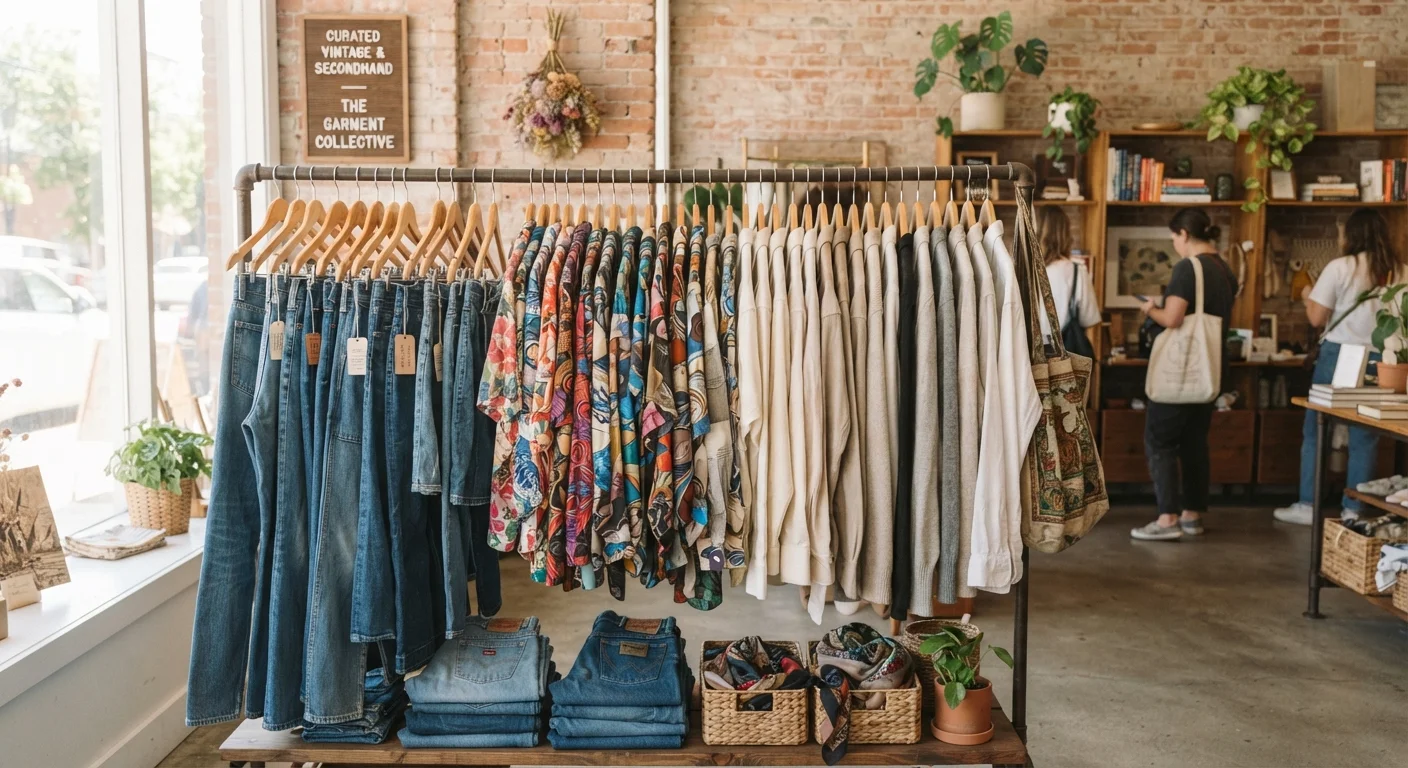
Photo credit: FindersGroove.com | Discover Important Information
In this article
Thrifting has genuine advantages — and real limitations. Here's an honest breakdown of when secondhand shopping makes sense and when it doesn't.
Key Takeaways
- Thrifting can significantly lower your cost per wear on everyday basics and casual pieces.
- Success depends heavily on how much time you're willing to invest in the search.
- Certain clothing categories - like intimates and shoes - are better bought new.
- Going in with a clear sense of your needs makes secondhand shopping far more effective.
- Thrifting and retail shopping aren't mutually exclusive; a hybrid approach often works best.
Significantly lower cost per item
Secondhand prices on basics and casualwear are often 70-90% below retail. Over time, this creates meaningful room in your budget for higher-stakes purchases or savings.
Lower environmental footprint
Extending the life of existing garments reduces demand for new production, which is resource-intensive. Choosing secondhand is one of the more tangible individual actions in reducing fashion waste.
Access to unique, one-of-a-kind pieces
Thrift stores and resale platforms surface styles that aren't in current retail circulation, giving you genuine variety rather than the same trend-driven inventory found everywhere at once.
Low financial risk for style experimentation
Trying a new silhouette or color palette is much less stressful at a fraction of the price. If it doesn't work out, the loss is minimal and the lesson is valuable.
Quality vintage construction at accessible prices
Older garments - especially denim, wool, and outerwear - were often made to more durable standards than comparable items at the same price point today.
Time investment is substantial
Finding the right piece at the right time requires regular visits and extended browsing. For shoppers with limited free time, this cost is real and worth weighing honestly.
Sizing and fit are inconsistent
Vintage and older sizing labels rarely match contemporary standards, and fit varies dramatically by era, brand, and garment. This makes shopping for precise-fit items like trousers or structured blazers genuinely difficult.
Inventory is unpredictable and can't be planned around
You cannot reliably find a specific item on a deadline. If you need a particular piece for an event or season, secondhand shopping may not deliver in time.
Condition assessment requires attention
Pilling, fading, thinning fabric, and minor damage aren't always obvious at a glance. Buying without careful inspection can result in pieces that don't hold up through regular wear.
Online resale pricing can approach retail cost
Curated resale platforms often price trending or desirable items at near-retail levels, narrowing or eliminating the traditional cost advantage of secondhand shopping.
What Secondhand Shopping Actually Looks Like Day-to-Day
Thrifting has a reputation for being either a treasure hunt or a time sink - and honestly, it's often both. Unlike retail shopping, where you browse a curated selection of current inventory, secondhand shopping means sorting through unpredictable stock with no guarantees. Some visits you walk out with three great pieces; others you leave empty-handed after an hour of searching.
That variability is important to acknowledge upfront. If you're trying to build a wardrobe for your actual daily life, secondhand can be a powerful tool - but it works best when you approach it as a long game rather than a quick fix. The shoppers who thrive tend to visit regularly, know what they're looking for, and stay patient when a particular need takes weeks to fill.
Understanding the realistic rhythm of thrifting is half the battle. Below is an honest breakdown of the real advantages and genuine limitations.
Significantly lower cost per item
Secondhand prices on basics and casualwear are often 70-90% below retail. Over time, this creates meaningful room in your budget for higher-stakes purchases or savings.
Lower environmental footprint
Extending the life of existing garments reduces demand for new production, which is resource-intensive. Choosing secondhand is one of the more tangible individual actions in reducing fashion waste.
Access to unique, one-of-a-kind pieces
Thrift stores and resale platforms surface styles that aren't in current retail circulation, giving you genuine variety rather than the same trend-driven inventory found everywhere at once.
Low financial risk for style experimentation
Trying a new silhouette or color palette is much less stressful at a fraction of the price. If it doesn't work out, the loss is minimal and the lesson is valuable.
Quality vintage construction at accessible prices
Older garments - especially denim, wool, and outerwear - were often made to more durable standards than comparable items at the same price point today.
The Real Limitations Worth Knowing
No shopping format is without trade-offs, and secondhand is no exception. The same unpredictability that makes thrifting exciting also makes it genuinely impractical for certain situations.
Time investment is substantial
Finding the right piece at the right time requires regular visits and extended browsing. For shoppers with limited free time, this cost is real and worth weighing honestly.
Sizing and fit are inconsistent
Vintage and older sizing labels rarely match contemporary standards, and fit varies dramatically by era, brand, and garment. This makes shopping for precise-fit items like trousers or structured blazers genuinely difficult.
Inventory is unpredictable and can't be planned around
You cannot reliably find a specific item on a deadline. If you need a particular piece for an event or season, secondhand shopping may not deliver in time.
Condition assessment requires attention
Pilling, fading, thinning fabric, and minor damage aren't always obvious at a glance. Buying without careful inspection can result in pieces that don't hold up through regular wear.
Online resale pricing can approach retail cost
Curated resale platforms often price trending or desirable items at near-retail levels, narrowing or eliminating the traditional cost advantage of secondhand shopping.
One practical workaround: use strategies for maximizing what you already own to reduce the pressure of filling wardrobe gaps quickly. When you're getting more mileage from existing pieces, you can afford to wait for the right secondhand find rather than buying out of necessity.
What to Thrift vs. What to Buy New
Not all clothing categories translate equally well to the secondhand market. Being strategic about what you hunt for - and what you buy retail - can make your overall wardrobe-building process much smoother.
Strong Secondhand Picks
- Denim: Jeans and jackets hold up exceptionally well and often improve with age and wear.
- Outerwear: Coats and blazers are frequently donated in solid condition and represent some of the highest savings relative to retail cost.
- Casual basics: T-shirts, sweaters, and flannels turn up constantly and are low-risk purchases.
- Statement or novelty pieces: One-of-a-kind prints, vintage silhouettes, and conversation pieces are where thrift stores genuinely shine.
Categories to Approach with Caution
- Intimates and swimwear: Hygiene considerations make these categories better bought new in most cases.
- Shoes: Fit and structural wear are hard to assess without trying on carefully; support and sole integrity may be compromised.
- Activewear: Stretch fabrics degrade with use and laundering, so condition is harder to evaluate visually.
A Note on Hygiene and Prep
Most secondhand clothing is perfectly safe to wear after a standard wash, but it's always a good idea to launder thrifted items before wearing them. For items like vintage wool or structured blazers that aren't machine-washable, check care labels and plan accordingly. When in doubt, spot-treat and air out before the first wear.
Before thrifting anything, it helps to audit what you already own so you can shop with genuine gaps in mind rather than picking up pieces that won't integrate into your existing wardrobe.
Building a Smarter, Hybrid Shopping Approach
The most effective wardrobe-building strategy for most young adults isn't all-thrift or all-retail - it's intentional layering of both. Thrift for versatile basics, outerwear, and style experiments; buy new for items where fit precision, hygiene, or longevity matter most.
~$0.10-$0.30
Typical cost per wear on thrifted basics
General wardrobe economics suggest that high-rotation secondhand basics often achieve a dramatically lower cost-per-wear than comparable new items, depending on price paid and frequency of use.
3x longer
Extended garment life reduces waste
Research from the Ellen MacArthur Foundation has indicated that keeping clothing in use longer - even three months more - can meaningfully reduce its environmental footprint.
Keeping spending purposeful is central to this approach. The mindful purchasing framework encourages asking whether a piece serves your actual life before it enters your closet - a question that applies equally whether the item cost $3 or $30. And if you find yourself shopping for emotional reasons, it's worth reading about the real limits of retail therapy before heading to the checkout line, secondhand or otherwise.
Thrifting is a skill that improves with practice and self-knowledge. Go in with a list, stay honest about what you'll actually wear, and treat each visit as low-stakes exploration rather than a must-succeed mission. That mindset shift makes the whole process more enjoyable - and a lot more effective.

Author
Style & Beauty Editorial Team
Style & Beauty Editorial Team is the collective byline for our editorial team and contributor network. Articles published under this byline or an editorial pen name are researched, written, and reviewed according to our editorial standards for clarity, consistency, and independence before publication.
View all articles →