
Building Credit from Zero: A Practical Starting Point
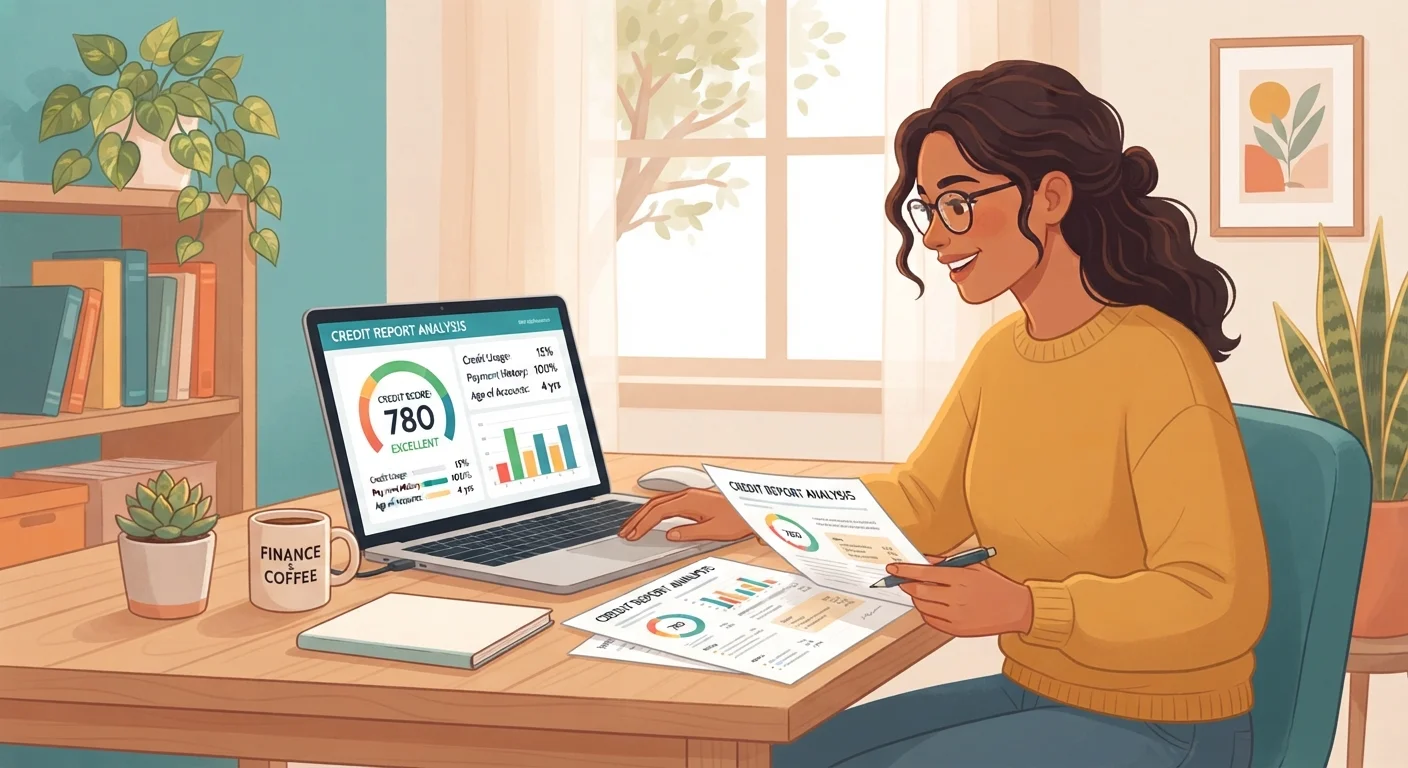
Photo credit: FindersGroove.com | Discover Important Information
In this article
No credit history? Learn how credit-building tools work, what lenders look for, and how to establish a healthy profile step by step.
Key Takeaways
- Having no credit history can block access to loans, rentals, and even some jobs - it's worth addressing early.
- Credit scores are built from five measurable factors, with payment history carrying the most weight.
- Secured credit cards and credit-builder loans are the two most accessible starting tools for beginners.
- Keeping your credit utilization below 30% of your available limit is a key habit from day one.
- You can check your credit reports for free at AnnualCreditReport.com - doing so regularly catches errors early.
Why No Credit History Is a Real Problem
Lenders, landlords, and even some employers routinely pull credit reports as part of their screening process. If you have no credit history, you're essentially invisible to those systems - not seen as low-risk, just unknown. That ambiguity often results in denied applications, higher security deposits, or loan offers with steeper interest rates.
This catch-22 is sometimes called the 'no credit, can't get credit' problem. The good news is that it's solvable, and starting early gives compound benefits over time. A healthy credit profile built now will make major future purchases - a car, an apartment, a home - significantly more accessible and affordable.
For a broader view of how credit and debt connect to your overall financial picture, see Debt, Credit, and Financial Wellbeing: The Complete Picture.
How Credit Scores Are Actually Built
Credit scores in the US are most commonly calculated using the FICO model, which draws on five factors. Understanding these factors tells you exactly where to focus your energy.
Credit score
A three-digit number (typically 300-850) that summarizes how reliably you've managed borrowed money. Higher scores signal lower risk to lenders.
Credit utilization
The percentage of your total available credit limit that you're currently using. For example, a $200 balance on a $500 limit equals 40% utilization.
Hard inquiry
A credit check triggered when you apply for a loan or credit card. It can temporarily lower your score by a small amount and stays on your report for two years.
Credit bureau
A company that collects and maintains credit history data. The three major US bureaus are Equifax, Experian, and TransUnion.
Secured credit card
A credit card backed by a cash deposit you make upfront. The deposit reduces the lender's risk and typically becomes your credit limit.
Credit-builder loan
A small loan where the borrowed funds are held in an account until you've made all scheduled payments. Its primary purpose is to create a record of on-time payments.
- Payment history (35%) - Whether you pay on time, every time. A single missed payment can have a measurable negative impact, especially early on.
- Amounts owed / utilization (30%) - How much of your available credit you're using. Keeping balances low relative to your limit signals responsible use.
- Length of credit history (15%) - How long your accounts have been open. This is why opening an account early - even a small one - pays off over time.
- Credit mix (10%) - The variety of account types you hold (revolving credit like cards, installment loans, etc.).
- New credit (10%) - How recently you've applied for new credit. Multiple applications in a short window can signal financial stress to lenders.
Payment history and utilization together account for 65% of your score. Nail those two, and you've done most of the work.
Your First Credit-Building Tools
Two tools are designed specifically for people with no credit history: secured credit cards and credit-builder loans. Both report your activity to the major credit bureaus (Equifax, Experian, and TransUnion), which is what generates your file.
Secured credit cards require an upfront refundable deposit - often $200-$500 - which typically becomes your credit limit. You use the card for small, planned purchases and pay the balance in full each month. The card issuer reports your payment behavior just like a standard credit card. After consistent use (often 12-18 months), many issuers will upgrade you to an unsecured card and return your deposit.
Credit-builder loans work differently: the loan amount is held in a bank account while you make fixed monthly payments. Once the loan is paid off, you receive the funds. The value here is entirely in the payment history you build - not the loan itself.
A third path is becoming an authorized user on a trusted family member's credit card account. Their positive history on that card can be added to your file, giving you a head start - though you should confirm that the card issuer reports authorized users to the bureaus.
To understand the practical differences between secured cards and credit-builder loans before choosing, see Secured Credit Cards and Credit-Builder Loans: Understanding the Difference.
Start Small and Stay Consistent
You don't need a high credit limit or large balances to build credit effectively. Charging a single small recurring expense - such as a streaming subscription - to a secured card and paying it off each month is enough to generate positive payment history. Consistency over months matters far more than the dollar amount.
Habits That Accelerate Progress
The tools only work if you use them consistently. A few non-negotiable habits will keep your credit-building on track:
- Pay on time, every time. Set up autopay for at least the minimum payment so you never miss a due date - even if you plan to pay more manually.
- Keep utilization low. Try to use no more than 30% of your credit limit at any point. If your limit is $300, aim to carry no more than $90 in charges before paying down the balance.
- Don't close old accounts. Account age matters. Keeping older accounts open - even if unused - preserves your history length.
- Avoid applying for multiple accounts at once. Space out applications by at least six months to minimize the impact of hard inquiries.
These habits are easier to maintain when your broader budget is in good shape. If you haven't yet mapped your income and expenses, Building Your First Budget: Turning Awareness Into Action is a practical place to start.
Carrying a Balance Does Not Help Your Score
A common myth is that leaving a small balance on your card each month 'shows activity' and boosts your score. This is false. Carrying a balance means paying interest charges unnecessarily. Paying your statement balance in full every month is always the better move - it keeps utilization low and costs you nothing extra.
Monitoring Your Progress
Checking your credit report regularly is both a progress tracker and an early-warning system. Under federal law, you are entitled to a free report from each of the three major bureaus through AnnualCreditReport.com - the only site officially authorized for this purpose. Reviewing your reports helps you confirm that new accounts are being reported correctly and catch any errors or unfamiliar entries before they become bigger problems.
Many banks, credit unions, and financial apps also provide free credit score monitoring. These tools typically use a soft inquiry, so checking your own score has no negative effect.
For a detailed checklist on what to look for when reviewing your report, see Annual Credit Report Check: What to Look For and When to Act. Once your score has grown, Keeping Good Credit Healthy Over Time explains how to protect what you've built.
This article is for general informational and educational purposes only and does not constitute personalized financial or credit advice. Consult a licensed financial professional for guidance specific to your situation.
Frequently Asked Questions

Author
Money & Finance Editorial Team
Money & Finance Editorial Team is the collective byline for our editorial team and contributor network. Articles published under this byline or an editorial pen name are researched, written, and reviewed according to our editorial standards for clarity, consistency, and independence before publication.
View all articles →