
Debt, Credit, and Financial Wellbeing: The Complete Picture
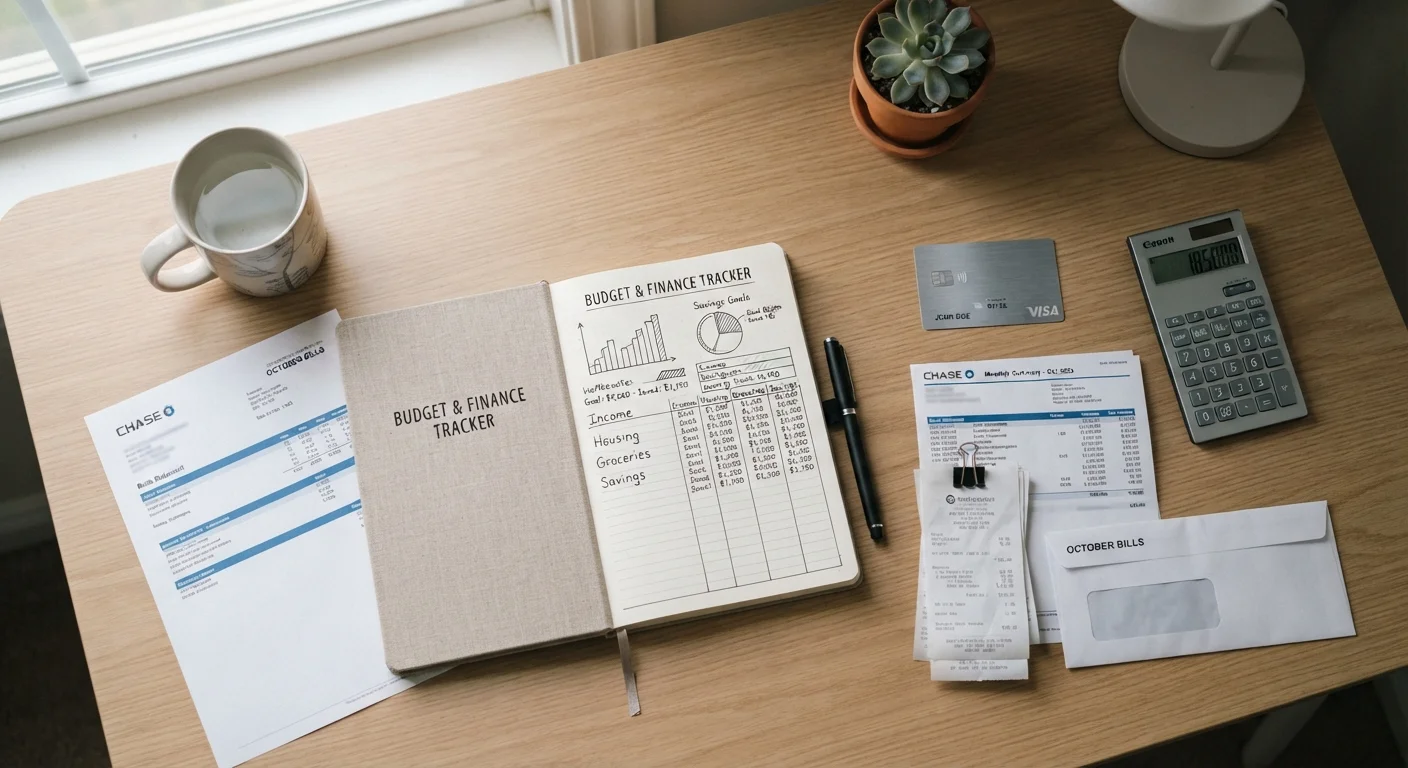
Photo credit: FindersGroove.com | Discover Important Information
In this article
A comprehensive resource covering how debt and credit interact, how scores are built and damaged, and how to take control of the full picture.
Key Takeaways
- Debt and credit are distinct concepts, but how you manage debt directly shapes your credit profile.
- Five core factors - payment history, utilization, length, mix, and new inquiries - determine your credit score.
- Structured repayment strategies like the avalanche and snowball methods offer different psychological and financial trade-offs.
- Financial wellbeing includes emotional and behavioral dimensions, not just account balances.
- Regularly reviewing your credit report is one of the highest-leverage free habits available to you.
How Debt and Credit Are Connected
Many people treat debt and credit as interchangeable words, but they describe different things. Credit is access - it's the ability to borrow money under agreed terms. Debt is what results when you use that access. The relationship between the two is continuous: the way you carry and repay debt is precisely what tells lenders - and credit bureaus - how creditworthy you are.
Three major credit bureaus in the U.S. - Equifax, Experian, and TransUnion - collect data from lenders and compile it into credit reports. Scoring models like FICO and VantageScore then translate that data into a three-digit number lenders use to evaluate risk. If you've never borrowed, you may have no score at all. If you've borrowed but managed it poorly, your score reflects that history. See our practical starting guide for building credit from zero if you're early in this process.
Reframe Every Debt Decision
Before using credit, ask: how will repaying this affect my utilization, my payment history, and my monthly cash flow? This three-part lens turns a reflexive swipe into a deliberate financial choice. Over time, this habit builds both a stronger score and a clearer financial picture.
Understanding this loop - credit enables borrowing, borrowing creates debt, debt management shapes credit - reframes how you think about every financial decision from opening a new card to paying off a loan early.
How Credit Scores Are Built - and Damaged
FICO scores, the most widely used scoring model, break down across five weighted categories:
- Payment history (35%): Whether you pay on time. A single missed payment can drop a score significantly, and the effect lingers for up to seven years.
- Credit utilization (30%): The percentage of your available revolving credit you're currently using. Keeping this below 30% is widely recommended; lower is generally better. For a deeper look, see our article on how credit utilization quietly shapes your score.
- Length of credit history (15%): How long your accounts have been open. Older accounts help; this is why closing your oldest card can hurt you.
- Credit mix (10%): A combination of revolving credit (cards) and installment loans (auto, student, mortgage) tends to score better than one type alone.
- New inquiries (10%): Each hard inquiry - triggered when you apply for new credit - causes a small, temporary dip. Multiple applications in a short window compound this effect.
35%
Weight of payment history in FICO score
According to FICO, payment history is the single largest factor in calculating your credit score.
~200M
Americans with a scoreable credit file
The Consumer Financial Protection Bureau estimates roughly 200 million U.S. adults have credit files at one of the major bureaus.
7 years
How long negative items stay on reports
Most negative marks - including late payments and collections - remain on credit reports for up to seven years under the Fair Credit Reporting Act.
Common score-damaging behaviors include making late payments, maxing out cards, closing old accounts unnecessarily, and applying for several credit products at once. Review common myths about debt repayment to avoid acting on misinformation that could set you back.
Set up autopay for at least the minimum payment on every account. Payment history is the largest scoring factor, and a single missed payment can undo months of progress.
Because payment history accounts for 35% of a FICO score, consistent on-time payments are the highest-return habit available regardless of how much debt you currently carry.
When paying down credit card balances, aim to get utilization below 10% on each individual card - not just your overall ratio - before a statement closes.
Scoring models evaluate both aggregate and per-card utilization; a maxed-out single card can hurt your score even if your total utilization appears moderate.
Debt Repayment Strategies That Actually Work
Having a structured approach to repaying debt is more effective than making ad hoc extra payments whenever extra cash appears. Two evidence-supported methods dominate personal finance guidance:
- The Avalanche Method
- Pay minimum amounts on all debts, then put every extra dollar toward the debt with the highest interest rate. Mathematically, this minimizes total interest paid over time and is the most cost-efficient path.
- The Snowball Method
- Pay minimum amounts on all debts, then put every extra dollar toward the smallest balance first. Once that's eliminated, roll that payment into the next-smallest. Research in behavioral finance suggests this method builds momentum and improves follow-through for people motivated by visible progress.
Neither method is universally superior - the best one is whichever you'll actually sustain. A hybrid approach, targeting one or two quick wins while keeping focus on a high-interest account, is also viable.
Protect Payment History Above All Else
During any repayment strategy, the non-negotiable rule is: never miss a minimum payment on any account. Payment history carries the most weight in scoring models, and delinquencies can remain on your credit report for up to seven years. If cash flow is tight, contact your lender proactively - many offer hardship programs before accounts become delinquent.
Whatever method you choose, two habits underpin all of them: making at least the minimum payment on every account every month (to protect payment history) and avoiding adding new debt while in repayment mode.
Financial Wellbeing: The Bigger Picture
The Consumer Financial Protection Bureau (CFPB) defines financial wellbeing as having security in the present, freedom of choice in the future, and the ability to absorb financial shocks. By this definition, a high credit score is a contributor to wellbeing - but not the whole story.
Financial stress is consistently linked to broader wellbeing outcomes. The American Psychological Association has documented money as a leading source of stress for U.S. adults, which can affect sleep, relationships, and decision-making quality. Improving financial literacy and establishing a clear repayment plan are among the most direct ways to reduce that ambient stress. Those dealing with the mental load of financial uncertainty may also find value in broader strategies for managing stress - see our resources on mental well-being for complementary support.
Practical wellbeing also means knowing your full picture. That starts with your credit report. You're entitled to free reports from all three bureaus through AnnualCreditReport.com - a federally authorized site. Check all three at least once a year, and dispute any errors you find directly with the bureau. Our walkthrough on reading your credit report without getting lost can help you interpret what you find.
“Financial wellbeing is not just about having more money - it's about having a sense of control over your day-to-day financial life and the capacity to make choices that let you enjoy life.”
— Consumer Financial Protection Bureau, U.S. Federal Consumer Financial Agency
Your Next Steps
Taking control of debt and credit doesn't require perfection - it requires consistency and clarity. Here's a practical sequence to follow:
- Pull your credit reports from all three bureaus and review for errors or unfamiliar accounts.
- List every debt you hold: balance, interest rate, minimum payment, and due date.
- Choose a repayment method - avalanche or snowball - and automate minimum payments on all accounts to protect your payment history.
- Monitor your credit utilization monthly and aim to keep revolving balances low relative to your limits.
- Avoid unnecessary hard inquiries by only applying for new credit when you have a clear need.
- Revisit your plan quarterly. Income changes, windfalls, and life events all affect the optimal path forward.
This article provides general financial education and is not personalized financial advice. For decisions specific to your situation - especially if you're navigating significant debt, collections, or considering bankruptcy - consult a licensed financial counselor or adviser. Nonprofit credit counseling agencies accredited by the National Foundation for Credit Counseling (NFCC) offer low- or no-cost guidance.
AnnualCreditReport.com
The federally authorized source for free credit reports from Equifax, Experian, and TransUnion. Pull all three reports at least once a year to check for errors and unfamiliar accounts.
CFPB Financial Wellbeing Resources
The Consumer Financial Protection Bureau offers free, unbiased guides on budgeting, debt, credit, and financial planning designed specifically for U.S. consumers.
NFCC Credit Counseling Locator
The National Foundation for Credit Counseling connects consumers to accredited nonprofit counselors who can help build debt repayment plans and navigate financial hardship at low or no cost.
Debt Repayment Calculator
Use a debt payoff calculator to compare the avalanche and snowball methods side by side - many are freely available from nonprofit financial education organizations.
This article is for informational and educational purposes only and does not constitute personalized financial, legal, or investment advice. Consult a qualified financial professional for guidance tailored to your individual circumstances.

Author
Money & Finance Editorial Team
Money & Finance Editorial Team is the collective byline for our editorial team and contributor network. Articles published under this byline or an editorial pen name are researched, written, and reviewed according to our editorial standards for clarity, consistency, and independence before publication.
View all articles →