
Keeping Good Credit Healthy Over Time
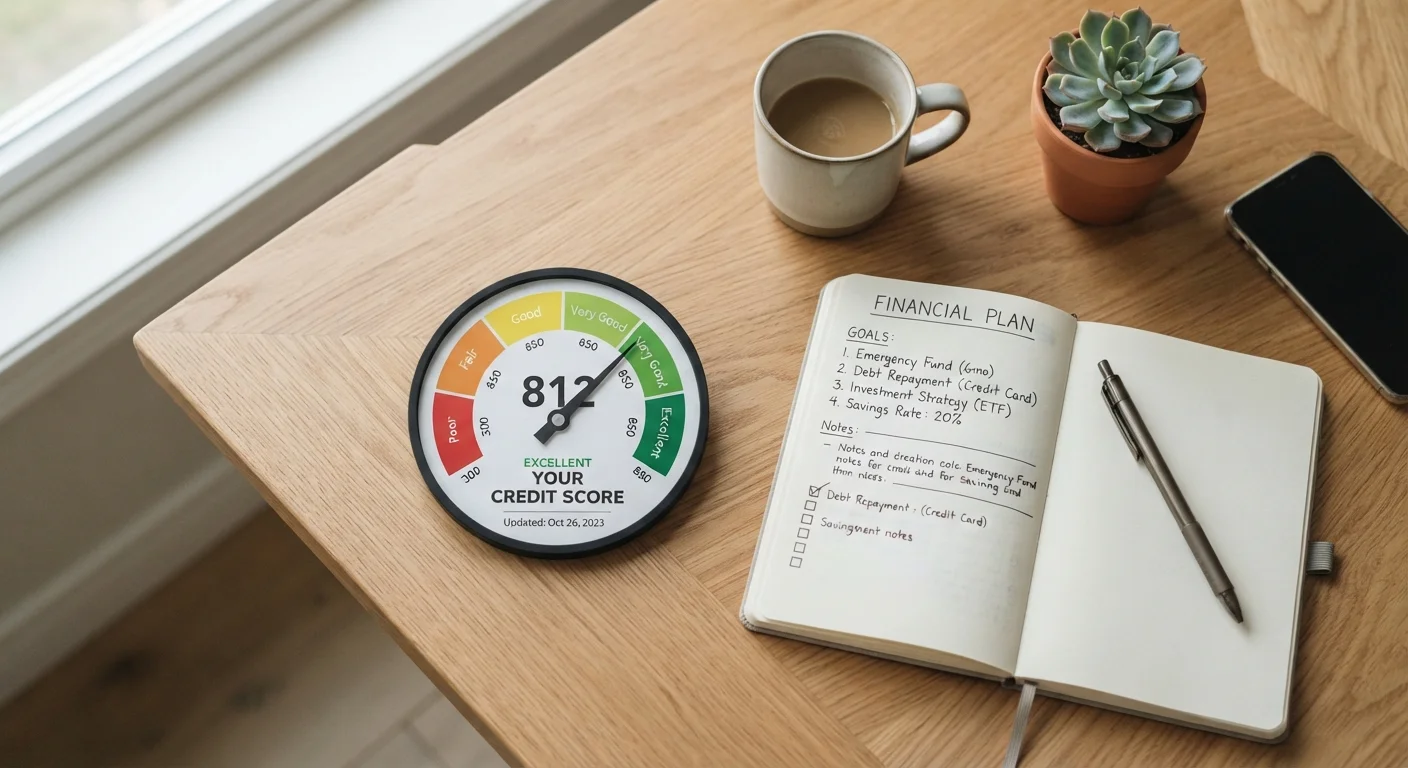
Photo credit: FindersGroove.com | Discover Important Information
In this article
Earning a strong credit score is one thing — maintaining it is another. These habits help protect and sustain a healthy credit profile.
Key Takeaways
- Payment history is the single largest factor in most credit scoring models - never miss a due date.
- Keeping credit utilization below 30% protects your score; below 10% is even better.
- Avoid closing old accounts unnecessarily, as account age contributes to your credit profile.
- Reviewing your credit report regularly helps you catch errors and potential fraud early.
- Only apply for new credit when you genuinely need it - each hard inquiry can temporarily dip your score.
Why Maintenance Matters as Much as Building
Getting your credit score into healthy territory is a real achievement - but a strong score isn't self-sustaining. Credit profiles are dynamic: they respond to your behavior month after month. Gaps in attention can quietly erode what took years to build. The good news is that the habits required to maintain good credit are largely the same ones that built it - they just need to become routine.
If you're just starting out, our guide to building credit from zero covers the foundational steps. This article picks up from there, focusing on the ongoing practices that protect a healthy profile over the long term.
Pay every bill on time, every month - automate if needed
Payment history typically accounts for 35% of a FICO score, making it the single most influential factor. Even one missed payment can remain on your credit report for up to seven years and cause a noticeable score drop. Setting up autopay for at least the minimum due removes the risk of human error.
Keep your credit utilization rate below 30% - and aim lower
Utilization measures how much of your available revolving credit you're using. High utilization signals financial strain to lenders and depresses scores quickly. Because utilization is recalculated each billing cycle, reducing balances has a relatively fast positive effect.
Keep older accounts open, even if you rarely use them
The average age of your credit accounts factors into your score. Closing an old card shortens your average account age and can also reduce your total available credit, raising your utilization ratio simultaneously - a double impact.
Apply for new credit sparingly and strategically
Each application for new credit triggers a hard inquiry, which can temporarily lower your score by a few points. Multiple inquiries in a short window (outside rate-shopping exceptions) signal increased risk to lenders.
Review your credit report at least once a year
Errors, outdated negative items, and unfamiliar accounts can all drag down a score without you knowing. Catching and disputing mistakes early minimizes damage and demonstrates active financial management.
The Habits That Do the Heavy Lifting
Credit maintenance isn't complicated, but it does require consistency. A few core behaviors account for the vast majority of what keeps scores stable - or pushes them higher. Understanding why each habit matters makes it easier to stick with them.
One area that surprises many people is credit utilization - the percentage of your available revolving credit that you're currently using. It makes up roughly 30% of a FICO score. Our article on how credit utilization shapes your score explains the mechanics in detail.
Monitoring and Protecting What You've Built
Even disciplined borrowers can see their scores affected by factors outside their direct control - errors on credit reports, outdated information, or unauthorized accounts opened in their name. The Consumer Financial Protection Bureau (CFPB) notes that errors on credit reports are not uncommon, and disputing inaccuracies is a legitimate consumer right under the Fair Credit Reporting Act (FCRA).
Disputing Errors Is Your Legal Right
Under the Fair Credit Reporting Act, you have the right to dispute inaccurate or incomplete information on your credit report. Each bureau must investigate disputes - generally within 30 days - and correct or remove information that can't be verified. The CFPB provides free dispute submission guidance at consumerfinance.gov. You don't need to pay a third party to file a dispute on your behalf.
You're entitled to a free credit report from each of the three major bureaus - Equifax, Experian, and TransUnion - through AnnualCreditReport.com. Use our annual credit report checklist to know exactly what to look for when you review yours.
1 in 5
Consumers with a credit report error
A Federal Trade Commission study found that roughly one in five consumers had an error on at least one of their three major credit reports.
35%
Of FICO score tied to payment history
According to FICO, payment history is the largest single component of the standard FICO credit score model.
For a broader view of how credit fits into your overall financial wellbeing, see our comprehensive guide to debt, credit, and financial wellbeing.
This article is for general informational purposes only and does not constitute personalized financial or legal advice. Consult a qualified financial professional for guidance tailored to your individual circumstances.

Author
Money & Finance Editorial Team
Money & Finance Editorial Team is the collective byline for our editorial team and contributor network. Articles published under this byline or an editorial pen name are researched, written, and reviewed according to our editorial standards for clarity, consistency, and independence before publication.
View all articles →