
Engine Oil Explained: Viscosity, Grades, and Why It Matters
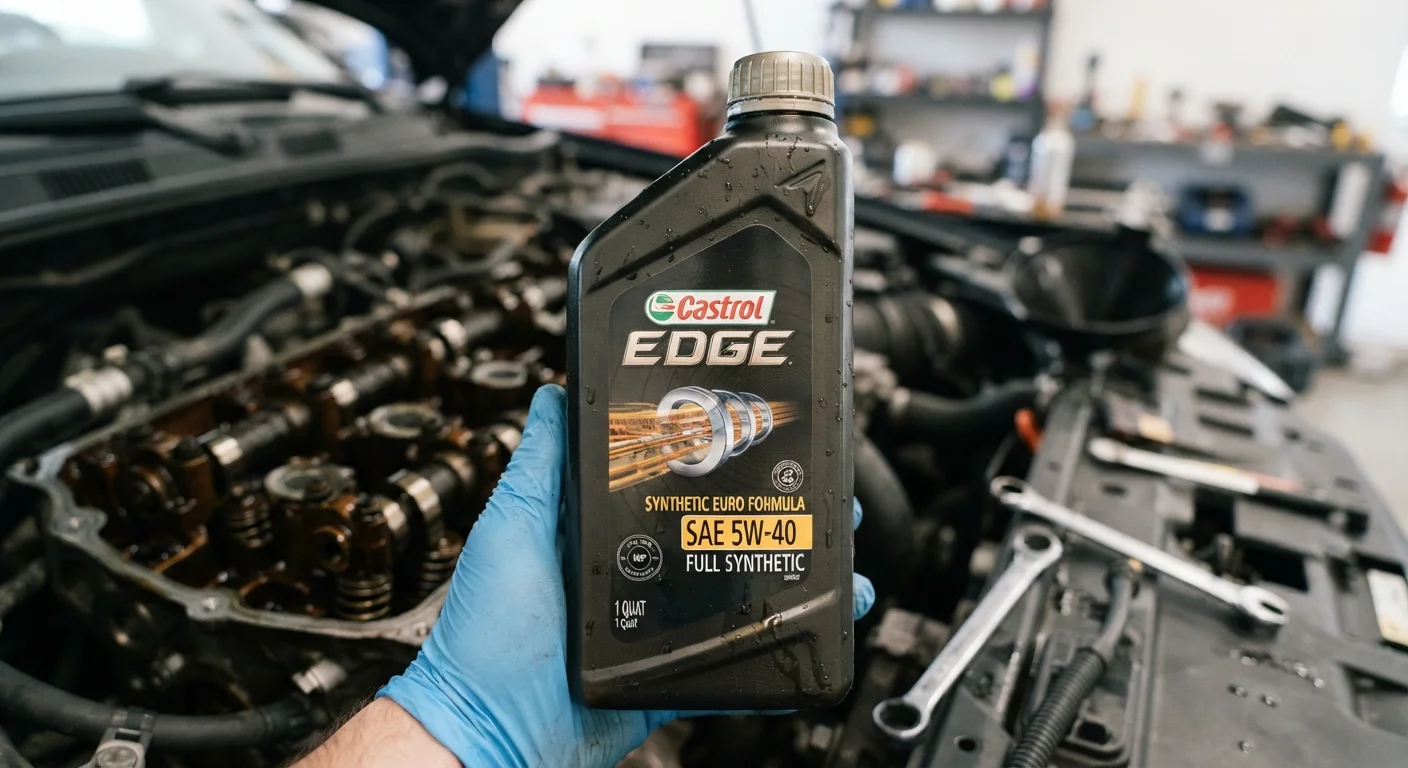
Photo credit: FindersGroove.com | Discover Important Information
In this article
Confused by numbers like 5W-30 on an oil bottle? Here's what oil viscosity grades mean and how to choose the right one for your car.
Key Takeaways
- The number before the W indicates cold-weather flow; the number after reflects high-temperature viscosity.
- Your owner's manual specifies the exact grade your engine was engineered for - use it.
- Using the wrong viscosity can reduce fuel economy and accelerate engine wear.
- Multi-grade oils (e.g., 5W-30) handle a wider range of temperatures than single-grade oils.
- Oil grade is separate from oil type - viscosity applies to both conventional and synthetic oils.
Decoding the Numbers on the Bottle
Pick up any oil bottle and you'll see a label like 5W-30 or 10W-40. These aren't arbitrary codes - they're a two-part rating defined by the Society of Automotive Engineers (SAE) that tells you exactly how the oil behaves at two critical points in your engine's life: the cold start and full operating temperature.
The number before the W (which stands for Winter) indicates cold-weather performance. A lower number - say, 0W versus 10W - means the oil stays fluid at lower temperatures and reaches critical engine parts faster on a cold morning. The number after the W describes viscosity at high operating temperature, typically around 212°F. A higher number here means a thicker film at heat, which can benefit high-load or high-mileage engines.
Most passenger vehicles use multi-grade oils precisely because they need to perform across a wide temperature range - frigid winter mornings and hot summer highway runs included.
40%
Engine wear occurring at cold startup
Industry engineering data indicates a significant portion of total engine wear happens in the first seconds after ignition, before oil fully circulates.
0W-60
SAE viscosity grade range for passenger vehicles
The SAE viscosity classification system covers this span, with most modern passenger cars falling in the 0W-20 to 10W-40 range.
212°F
Standard high-temperature viscosity test point
SAE measures high-temperature viscosity at 212°F (100°C), approximating normal engine operating temperature during sustained driving.
Why Viscosity Matters to Your Engine
Engine oil does several jobs at once: it lubricates metal surfaces, carries heat away from critical components, suspends contaminants until the next oil change, and helps seal the gap between piston rings and cylinder walls. Viscosity affects how well the oil does all of these things.
Too thin, and the oil film between moving parts can break down under load, allowing metal-on-metal contact. Too thick, and the oil pump struggles to circulate it quickly - especially at startup, when roughly 40% of engine wear can occur if oil isn't flowing fast enough.
Modern engines are designed with increasingly tight tolerances, and many now specify thinner oils like 0W-20 or 5W-20 to improve fuel efficiency and reduce internal friction. Using a heavier grade than specified won't add protection - it may actually work against the engine's design.
Check Your Manual Before Every Oil Change
It takes less than a minute to confirm your vehicle's specified viscosity grade before you buy oil or schedule service. Specifications are typically found in the maintenance section or on a sticker inside the oil cap. If you've misplaced your manual, the manufacturer's website or a free online database can provide the same information.
How to Find the Right Grade for Your Car
The definitive answer lives in your owner's manual - usually in the maintenance or specifications section. Automakers engineer their engines around a specific viscosity, and that recommendation accounts for your engine's tolerances, oil pump design, and intended operating conditions.
Some manufacturers specify a range (e.g., 5W-20 or 5W-30 acceptable), allowing a slightly thicker grade for high-mileage vehicles or hotter climates. If your car has over 75,000 miles, some oil manufacturers offer high-mileage formulations in the same grade - these add seal conditioners and slightly different additive packages, but the viscosity rating still needs to match the manual's spec.
If you're also learning to check your oil level at home, our practical fluid-check walkthrough covers exactly where to find the dipstick and how to read it correctly. And if you've ever wondered whether skipping an oil change is really a big deal, what actually happens inside the engine may change how you think about the schedule.
For a deeper dive into oil type - not just grade - see our companion piece on synthetic vs. conventional motor oil. Viscosity and oil type are two separate decisions, and getting both right protects your engine most effectively.
Frequently Asked Questions

Author
Autos & Driving Editorial Team
Autos & Driving Editorial Team is the collective byline for our editorial team and contributor network. Articles published under this byline or an editorial pen name are researched, written, and reviewed according to our editorial standards for clarity, consistency, and independence before publication.
View all articles →