
New vs. Used Car: What the Real Trade-Offs Look Like
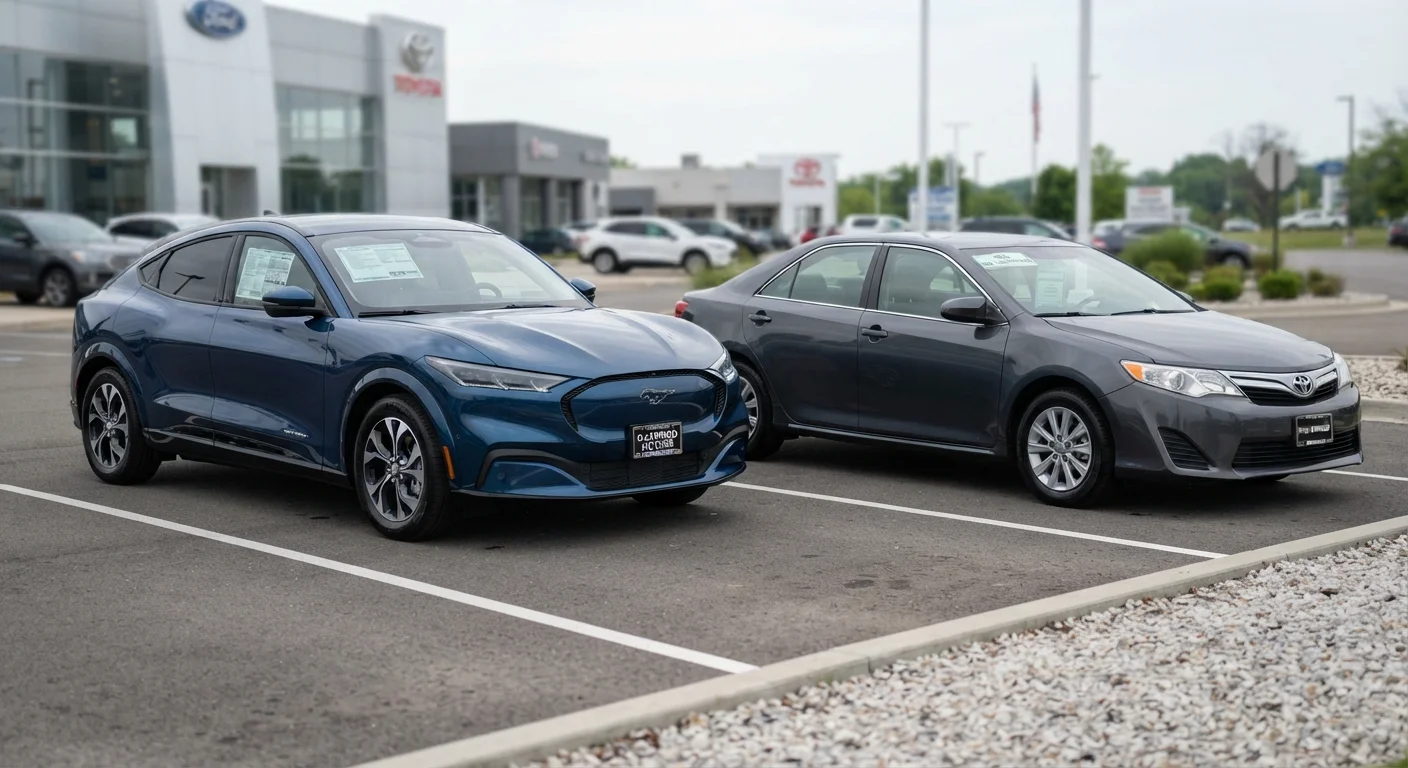
Photo credit: FindersGroove.com | Discover Important Information
In this article
Beyond price tags, buying new or used involves very different risks, warranties, and long-term costs. Here's how to think through it clearly.
Key Takeaways
- New cars depreciate fastest in the first two to three years - used buyers benefit from that loss.
- New vehicles come with full manufacturer warranties; used cars may have limited or no remaining coverage.
- Insurance costs are typically higher for new cars, adding to total ownership expense.
- Certified pre-owned programs can bridge the gap between new and used in terms of reliability assurance.
- Financing rates for new cars are often lower, which partially offsets the higher purchase price.
- The smartest choice depends on your budget, driving habits, and risk tolerance - not price alone.
The Depreciation Reality
Depreciation - the loss in a vehicle's value over time - is the single biggest financial factor separating new and used car ownership. A new car typically loses a significant portion of its value within the first few years of ownership, with the sharpest drop often occurring the moment it leaves the lot. When you buy used, the original owner has already absorbed that loss, so your asset holds its remaining value more gradually.
This isn't a reason to always avoid new cars, but it does mean the economics look very different depending on how long you plan to own the vehicle. Understanding the difference between price and value is essential here - a lower sticker price doesn't automatically mean a better financial outcome over five years.
| Criterion | New Car | Used Car |
|---|---|---|
| Purchase Price | Higher upfront cost | Lower upfront cost |
| Depreciation | Steepest in years 1-3 | Previous owner absorbed the drop |
| Warranty Coverage | Full manufacturer warranty | Limited, expired, or CPO only |
| Vehicle History | No prior history - clean slate | History may be unknown or incomplete |
| Insurance Cost | Generally higher premiums | Often lower premiums |
| Financing Rates | Promotional rates sometimes available | Typically standard market rates |
| Technology & Safety | Latest driver-assist features | Varies by model year |
| Near-Term Repair Risk | Lower - covered under warranty | Higher - depends on age and mileage |
Warranties, Risk, and the Unknown History Problem
One of the most concrete advantages of buying new is the warranty. A manufacturer's warranty typically covers the powertrain (engine and transmission) and bumper-to-bumper components for a defined period, meaning unexpected repair bills are largely absorbed for the first few years. With a used vehicle, that coverage may have partially or fully expired.
The counterpoint is certified pre-owned (CPO) programs, offered by most manufacturers on low-mileage, late-model used vehicles. CPO cars are inspected against a standardized checklist and come with extended warranty coverage, though at a price premium over standard used vehicles. They can be a sensible middle path for buyers who want some protection without paying for a brand-new model.
Beyond warranty, a used car carries an unknown service history unless you can verify records. A pre-purchase inspection by an independent mechanic - not the seller's shop - is one of the most practical steps any used-car buyer can take. This is particularly important for higher-mileage vehicles.
What a Pre-Purchase Inspection Covers
An independent pre-purchase inspection (PPI) typically costs between $100 and $200 and involves a qualified mechanic examining the vehicle's major systems - engine, transmission, brakes, suspension, and body condition. It's distinct from a dealership inspection because the mechanic works for you, not the seller. Even on CPO vehicles, a PPI can surface issues that standard checklists miss. Think of it as due diligence, not distrust.
The Full Cost Picture: Insurance, Financing, and Ongoing Expenses
The purchase price is only one line item. Ongoing ownership costs catch first-time buyers off guard more often than any other factor in car ownership.
Insurance: New cars generally cost more to insure because their replacement value is higher and lenders typically require comprehensive and collision coverage on financed vehicles. Used cars, especially those owned outright, can be insured more minimally if you choose.
Financing: Manufacturer-backed financing promotions for new cars sometimes offer lower interest rates than what's available on used vehicles, which can partially offset the higher purchase price. That said, rates vary by lender and creditworthiness, so comparing actual loan terms matters more than the headline figures.
Maintenance: A newer vehicle generally needs less immediate maintenance. Used cars - especially those approaching higher mileage - may require more near-term service investment. Understanding how to track routine maintenance choices like motor oil helps you manage these costs systematically.
~20%
Typical first-year new car depreciation
Industry data consistently shows new vehicles lose roughly 15-20% of their value in the first year of ownership, with the rate slowing significantly after year three.
3-5 yrs
Sweet spot for used car value
Vehicles in the three-to-five year range have absorbed the steepest depreciation while still offering modern safety standards and manageable remaining life expectancy.
~$100-$200
Cost of a pre-purchase inspection
An independent mechanical inspection before buying a used car is one of the most cost-effective risk-reduction steps available to buyers.
How to Frame the Decision for Your Situation
There is no universal answer - the better choice depends on three variables: your budget ceiling, how long you plan to own the vehicle, and how much mechanical uncertainty you're comfortable absorbing.
If you're keeping the car for a decade, a new car's depreciation hit is spread across many more years of use, making it more defensible. If you expect to sell or trade within three to four years, buying used - and letting someone else take the biggest depreciation loss - typically makes more financial sense.
The same logic that applies to secondhand buying in other categories holds here. Buying once and buying well can pay off, but only when the numbers support that approach for your specific timeline and usage.
Whatever you decide, consider that buying a car is only the beginning. Leasing is a third path worth understanding before committing, particularly if you prefer predictable monthly costs and don't mind not building equity in the vehicle.
This article is for general informational purposes only and does not constitute financial or legal advice. Consult a qualified financial professional before making significant purchasing decisions.

Author
Autos & Driving Editorial Team
Autos & Driving Editorial Team is the collective byline for our editorial team and contributor network. Articles published under this byline or an editorial pen name are researched, written, and reviewed according to our editorial standards for clarity, consistency, and independence before publication.
View all articles →