
Smart Home Myths That Are Holding Beginners Back
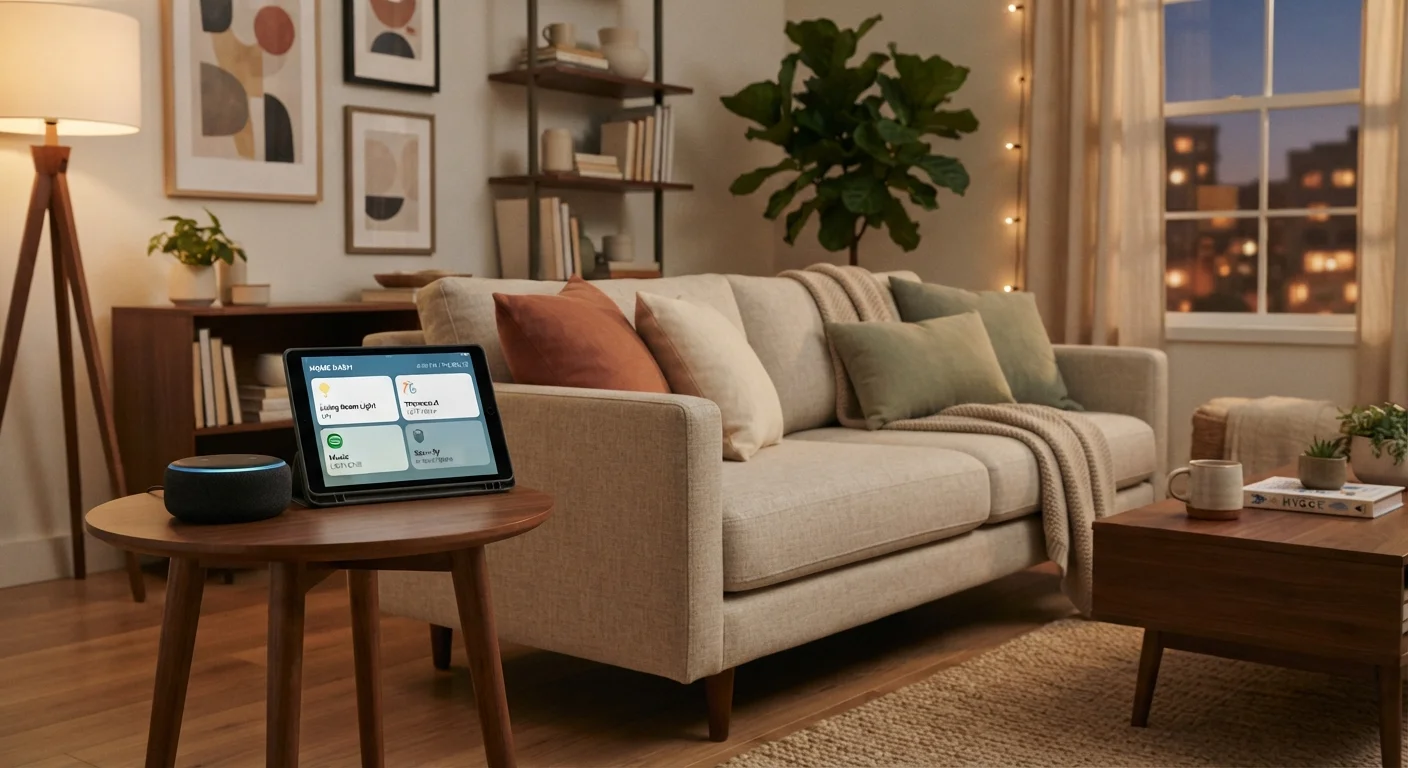
Photo credit: FindersGroove.com | Discover Important Information
Think smart homes are only for tech experts or expensive to run? We separate common misconceptions from the reality of connected living.
Key Takeaways
- You don't need technical expertise or professional installation to start a smart home.
- Most entry-level smart devices are affordable and can be added one at a time.
- Renters can use many smart home products without permanent modifications.
- Privacy risks are real but manageable with basic network hygiene practices.
- You don't need to commit to a single ecosystem to build a functional smart home.
Why These Myths Persist
Smart home technology has matured rapidly, but its reputation hasn't fully caught up. Early adopters faced real friction - incompatible hubs, complicated setup flows, and products that required Wi-Fi credentials entered via a TV remote. Those experiences seeded a perception of complexity that stuck around long after the industry addressed most of them.
Marketing hasn't helped either. Ads for smart home products often showcase elaborate, whole-home setups that look expensive and intimidating by design. The reality for most people starting out looks nothing like that - it's a smart bulb in the bedroom and a plug timer on a lamp. Understanding what 'smart' actually means in consumer electronics cuts through a lot of that noise before you spend anything.
Myth
You need to be tech-savvy to set up a smart home.
Fact
Most modern smart devices are designed for non-technical users and set up through guided smartphone apps.
The assumption that smart home tech requires coding knowledge or networking expertise was more accurate a decade ago. Today, the majority of consumer smart devices - lights, plugs, thermostats - walk users through setup in a handful of taps. If you can install an app and connect to Wi-Fi, you have the skills needed. For a guided starting point, see how to set up your first smart home hub without outside help.
Myth
Building a smart home requires a huge upfront investment.
Fact
You can start meaningfully with a single inexpensive device and expand gradually.
Smart plugs and bulbs frequently retail for under $15 each, and a single voice-controlled speaker can anchor an entire starter setup. The real advantage is modularity - you add devices at your own pace and budget. Priorities matter more than volume. Building a smart home on a tight budget covers exactly which starter devices deliver the most practical impact per dollar spent.
Myth
Smart home devices are constantly spying on you.
Fact
Privacy risks exist but are largely mitigable through straightforward network and account practices.
Connected devices do collect usage data, and poorly secured setups can expose your network. But framing this as unavoidable surveillance overstates the risk. Strong, unique passwords, keeping firmware updated, and placing smart devices on a separate guest network reduce your exposure significantly. Keeping your smart home network secure outlines the practical steps that meaningfully lower your risk profile without requiring advanced technical knowledge.
Myth
Renters can't use smart home technology.
Fact
Many smart devices require no permanent installation and are fully compatible with rented spaces.
Plug-in smart devices - speakers, plugs, portable lighting strips - require zero modification to your rental. Even some smart locks and thermostats are designed for renter-friendly, no-drill installation. The limitations are real (hardwired switches and built-in appliances are typically off-limits), but they're narrower than most renters assume. Renting and smart home tech gives a clear breakdown of what's viable in a leased home.
Myth
All smart devices need to be from the same brand to work together.
Fact
Cross-brand interoperability has improved substantially, especially with the Matter standard now widely adopted.
Platform lock-in was a legitimate concern when every manufacturer ran a proprietary ecosystem. The Matter connectivity standard - backed by major players across the industry - now allows many devices from different brands to communicate reliably. Mixing brands strategically is not only possible but often sensible. Setting up a smart home without locking yourself into one ecosystem explains interoperability in plain terms and how to keep your options open as you grow.
What a Practical Start Actually Looks Like
The most effective smart home setups tend to grow slowly and intentionally. A room-by-room setup roadmap is a more useful mental model than trying to automate everything at once. Start with one problem you actually want solved - an alarm-synced morning light routine, a plug that cuts standby power on your entertainment center - and build from there.
Automation itself is a layered concept. Schedules, triggers, and scenes each do different things, and understanding the distinction helps you avoid over-complicating early setups. Once your first devices are running reliably, you'll have a much clearer sense of where automation genuinely helps versus where it adds friction. If you run into dropped connections - a common early frustration - troubleshooting smart device disconnections covers the most common causes and fixes.
57%
U.S. households with at least one smart device
According to Parks Associates research, smart home device ownership has grown steadily among U.S. broadband households over recent years.
$15-$30
Typical cost of a starter smart plug or bulb
Entry-level smart devices have dropped substantially in price as the market has matured, making single-device starts genuinely low-risk.
This article provides general consumer technology information for educational purposes. Device compatibility, pricing, and features vary by product and region. Always verify specifications with the manufacturer before purchasing.

Author
Tech & Gadgets Editorial Team
Tech & Gadgets Editorial Team is the collective byline for our editorial team and contributor network. Articles published under this byline or an editorial pen name are researched, written, and reviewed according to our editorial standards for clarity, consistency, and independence before publication.
View all articles →