
Outfit Formulas That Work Across Seasons and Occasions
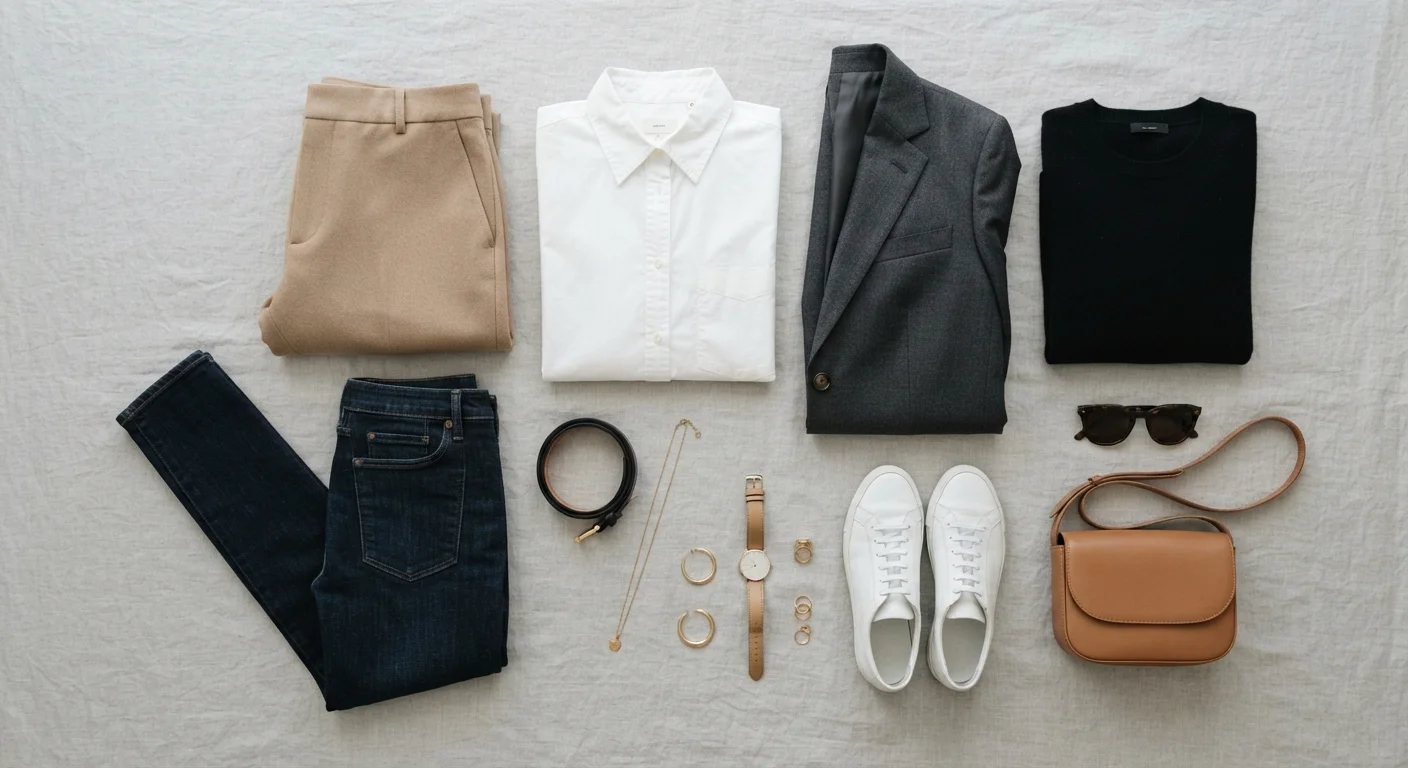
Photo credit: FindersGroove.com | Discover Important Information
In this article
Outfit formulas are repeatable combinations that reliably work. Discover the structures behind looks that read as considered without requiring daily effort.
What Is an Outfit Formula?
An outfit formula is a repeatable structure - a combination of garment types, proportions, and finishes - that produces a polished result without requiring you to reinvent your look from scratch each morning. Think of it less as a rigid rule and more as a reliable equation: swap the variables (color, fabric, season-appropriate weight) while keeping the structure constant.
| Core concept | A repeatable garment structure that produces reliable, considered-looking outfits |
| Primary benefit | Reduces daily decision fatigue while maintaining a consistent, intentional look |
| Key variables to swap | Color, fabric weight, and texture - not the structural formula itself |
| Minimum formulas recommended | Two to three formulas suited to your actual lifestyle and proportions |
| Seasonal adaptation method | Keep the formula structure; swap fabric weight and finish for the climate |
The power of a formula is that it removes decision fatigue. Instead of staring at a full wardrobe and feeling overwhelmed, you work from a proven framework. And because the structure is sound, each iteration reads as intentional - even when you pulled it together in five minutes.
Formulas also make it easier to shop smarter. Once you know the structures that work for your life, you can evaluate new pieces based on whether they slot into an existing formula rather than buying things that never quite combine with anything. For a deeper foundation, explore how fit transforms any outfit - it's the single variable that makes or breaks a formula.
Four Formulas Worth Memorizing
These structures hold up across contexts and can be adapted for warm or cool weather by adjusting fabric weight and layering.
1. Tailored Bottom + Relaxed Top + One Sharp Accent
A structured trouser or midi skirt paired with a looser shirt or knit creates contrast that reads as deliberate. Add one sharpening element - a leather belt, a structured bag, a minimal watch - and the ease of the top becomes a stylistic choice rather than an afterthought. This formula works equally well in linen for summer and wool for winter.
2. Monochromatic Base + Texture Play
Wearing one color (or a tight tonal range) from head to toe creates an elongating, sophisticated effect. The interest comes from layering different textures - matte jersey, ribbed knit, smooth leather - within that single palette. It's a formula that looks considered but is genuinely effortless to execute.
3. Statement Piece + Three Neutrals
One piece that carries visual weight (a printed trouser, a structured colorblock coat, a bold knit) anchored by three neutral, low-profile items. The formula prevents busyness while letting the focal piece do its job. See how to carry a consistent aesthetic across contexts for guidance on scaling this across dress codes.
4. Layer-Over-Layer
A foundational fitted piece (tank, fitted long-sleeve, bodysuit) plus a mid-layer (button-down left open, lightweight cardigan, denim jacket) plus an outer layer when needed. This formula is inherently seasonal because you simply add or remove layers. It also naturally produces proportional interest without extra styling effort.
Outfit formula
A repeatable combination of garment types and proportions that reliably produces a polished result. Variables like color and fabric change; the structural logic stays constant.
Proportion contrast
The deliberate pairing of a fitted or structured piece with a relaxed or oversized one to create visual balance and intentionality.
Tonal dressing
Wearing multiple shades within the same color family in a single outfit. Creates a cohesive, elongating look without relying on pattern or bold contrast.
Accent piece
A single item - often an accessory - that sharpens or anchors a looser outfit. It signals that the ease elsewhere is a choice, not an oversight.
Decision fatigue
The mental depletion that results from making too many choices in succession. Outfit formulas reduce it by limiting the number of open-ended decisions each morning.
Making Formulas Work Across Seasons
The structural logic of a formula stays constant; the materials flex with the weather. A monochromatic base formula that uses cotton poplin and canvas in July translates to cashmere and wool flannel in December. A layer-over-layer formula that leans on linen and gauze in spring shifts to merino and corduroy in autumn.
Fabric weight and finish do a lot of the seasonal signaling, which means you don't need entirely separate wardrobes for each season. A few targeted fabric-appropriate pieces extend formulas year-round. Seasonal wardrobe transitions don't require a full overhaul - they require pieces that fit existing formulas in new materials.
Formulas Work Best With Well-Fitting Pieces
Even the most thoughtfully constructed formula falls apart if individual pieces don't fit well. Before investing time in building formulas, audit your current wardrobe for fit - pieces that pull, gap, or drown the wearer undermine the structural logic regardless of how good the combination looks on paper. A tailor can often resolve fit issues in existing pieces for a reasonable cost.
Fit remains the constant across all seasons. A formula built around well-fitting pieces looks intentional in any climate. Fit matters more than the label - learn to evaluate it before adding new pieces to your rotation.
Keeping Formulas Personal Over Time
Formulas are frameworks, not uniforms. The goal is to identify the two or three structures that align with your actual life - your proportions, your color instincts, your typical schedule - and refine them over time rather than adopting someone else's aesthetic wholesale. Dressing with intention means returning periodically to ask whether your current formulas still reflect who you are, and adjusting when they don't.
Start by identifying one outfit you've worn repeatedly and genuinely felt good in. Break it down: what's the silhouette structure? What's the proportion relationship between pieces? What's the finishing detail? That's your first formula. Build from there.

Author
Style & Beauty Editorial Team
Style & Beauty Editorial Team is the collective byline for our editorial team and contributor network. Articles published under this byline or an editorial pen name are researched, written, and reviewed according to our editorial standards for clarity, consistency, and independence before publication.
View all articles →