
Stress and Anxiety in Pets: Recognised Triggers and Supportive Strategies
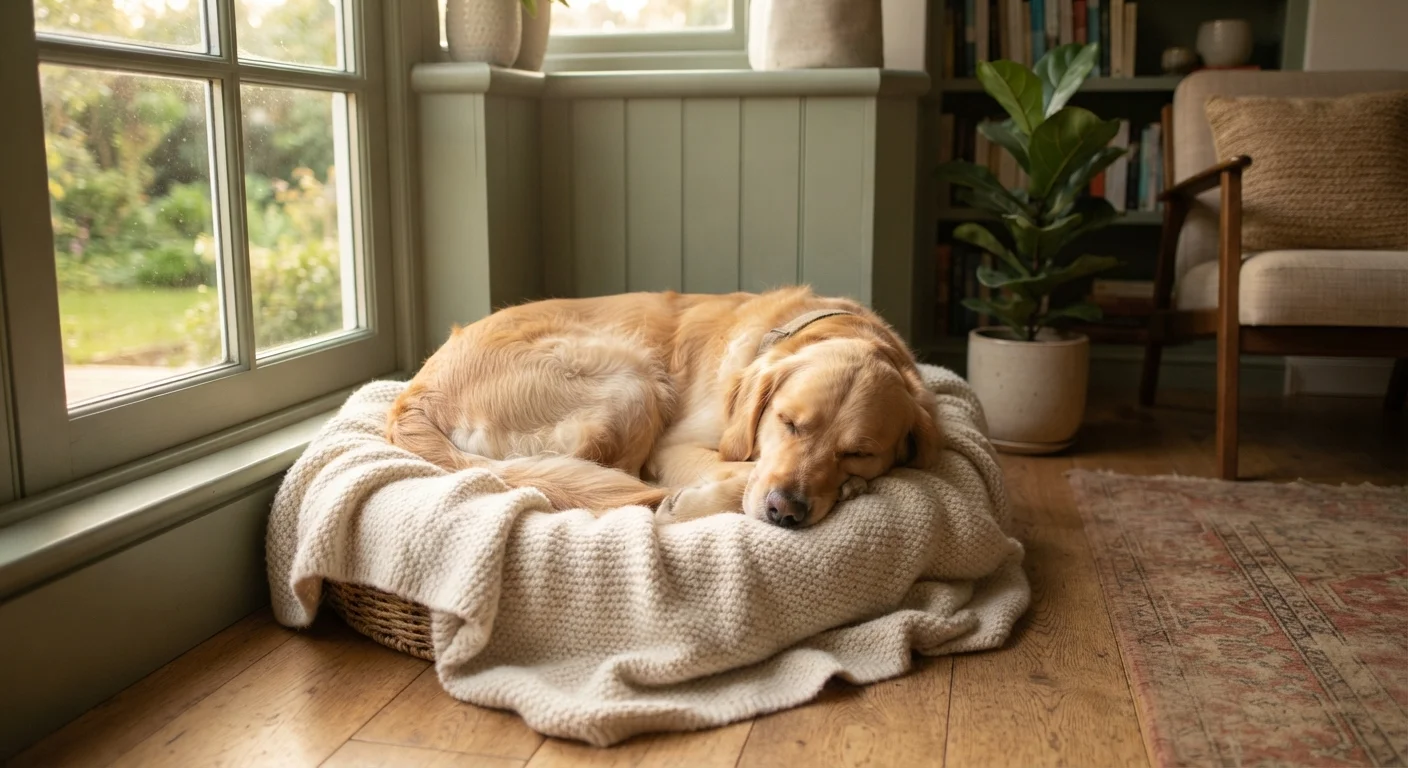
Photo credit: FindersGroove.com | Discover Important Information
In this article
Anxiety in pets is widely underdiagnosed. Explore the environmental and social triggers vets recognise, and how owners can create calmer home conditions.
Key Takeaways
- Common anxiety triggers include loud noises, separation, unfamiliar visitors, and sudden routine changes.
- Behavioural signs of stress - like hiding or over-grooming - are often mistaken for personality quirks.
- Consistent daily routines and safe retreat spaces significantly reduce anxiety in most pets.
- Persistent or severe anxiety warrants a veterinary assessment, as underlying health issues can contribute.
- Mental enrichment and structured physical activity work alongside environmental changes to support calmer behaviour.
Why Pet Anxiety Is Widely Underrecognised
Anxiety in companion animals is far more common than many owners realise - and it is frequently misread. A cat hiding under the bed, a dog pacing before thunderstorms, or a rabbit thumping repeatedly may all be expressing distress, yet these behaviours are often dismissed as personality traits or temporary quirks.
Veterinary behaviourists note that anxiety and stress exist on a spectrum. Short-term stress - a response to an immediate threat - is normal and generally resolves once the trigger passes. Chronic anxiety is more concerning: it persists, accumulates, and can compromise immune function, digestion, and overall quality of life. Understanding the distinction matters because the interventions differ. For a deeper look at how stress and anxiety differ conceptually, see this overview of stress versus anxiety.
The good news is that most anxiety in pets has identifiable triggers - and once those triggers are known, owners can take meaningful steps to reduce their impact.
Recognised Triggers Vets Commonly Identify
Understanding what causes anxiety in pets is the foundation of any supportive strategy. Veterinarians and animal behaviourists consistently identify the following categories:
~70%
Dogs showing anxiety-related behaviours
A peer-reviewed study published in Scientific Reports (2020) found that approximately 72% of dogs exhibited one or more anxiety-related traits across a large Finnish sample.
1 in 3
Cats affected by stress-related illness
Feline idiopathic cystitis, a stress-linked condition, is among the most common reasons cats visit veterinary clinics, according to veterinary internal medicine literature.
- Separation: Dogs in particular can develop separation-related anxiety when left alone, manifesting as destructive behaviour, vocalisation, or inappropriate elimination. Some cats also show distress through excessive vocalisation or appetite changes.
- Noise exposure: Fireworks, thunderstorms, construction sounds, and even loud appliances can trigger acute fear responses. Certain breeds and individual animals are more sound-sensitive than others.
- Changes in routine or environment: Moving home, introducing new furniture, renovations, or altered feeding schedules can unsettle pets who rely on predictability. See how structured daily routines reduce anxiety for practical scheduling guidance.
- Social stressors: New people, other animals, or changes in household composition - including a baby arriving or a family member leaving - can destabilise a pet's sense of safety.
- Medical discomfort: Pain and illness frequently present as behavioural anxiety. It is important not to assume behavioural change is purely emotional without ruling out physical causes. Learn how animals conceal pain before it becomes obvious.
Identifying which category applies to your pet is the first diagnostic step. Keeping a simple log of when anxious behaviour occurs, and what preceded it, can help enormously - especially if you later consult a vet or behaviourist.
Supportive Strategies for a Calmer Pet
Once triggers are identified, environmental and behavioural strategies can meaningfully reduce their impact. These approaches are grounded in veterinary and behavioural consensus, though they are not substitutes for professional advice when anxiety is severe.
Create a dedicated retreat space your pet can access at all times
Animals experiencing anxiety instinctively seek shelter. A predictable safe space - a crate for dogs, a covered bed for cats, a hide for small mammals - gives pets a locus of control and reduces overall arousal. Forcing a pet out of this space during a stressful event increases fear rather than reducing it.
Maintain consistent feeding, exercise, and rest schedules
Predictability is a powerful anxiolytic for social animals. When pets can anticipate what happens next, their baseline stress levels drop. Irregular schedules - especially inconsistent feeding times - can inadvertently sustain low-level anxiety.
Desensitise pets to known triggers gradually and positively
Systematic desensitisation - exposing a pet to a fear trigger at very low intensity while pairing it with something positive - can reduce sensitivity over time. This approach is well-supported in veterinary behavioural literature and works best when introduced calmly and incrementally.
Respond to anxious behaviour calmly without reinforcing panic
Owners who react to anxious behaviour with excessive reassurance or high emotion can inadvertently signal that the threat is real. A calm, matter-of-fact demeanour communicates to the pet that the situation is manageable. This does not mean ignoring the pet - gentle, quiet presence is appropriate.
Reduce unnecessary environmental stressors proactively
Many household stressors are avoidable with small adjustments. Loud music, unpredictable visitor schedules, or a litter box in a high-traffic area can contribute to cumulative stress. Auditing the home environment from the pet's perspective often reveals simple, impactful changes.
Track Behaviour Before Your Vet Visit
Keep a short daily log of when anxious behaviour occurs, what preceded it, and how long it lasted. Even a week of notes gives your veterinarian much more to work with than a general description. Note food intake, sleep quality, and any recent household changes alongside the behavioural observations.
For pets whose anxiety stems partly from understimulation, mental enrichment activities - such as puzzle feeders, scent work, or training games - can reduce overall arousal levels and give animals a healthy outlet for energy and curiosity.
If your pet's anxious behaviour is frequent, escalating, or affecting their ability to eat, sleep, or interact normally, consult your veterinarian. A professional assessment can rule out medical causes and open the door to evidence-based behavioural support or, where appropriate, anxiety-management options suited to your pet's specific needs.
This article is for general informational purposes only and does not constitute veterinary or medical advice. Always consult a qualified veterinarian for concerns about your pet's health or behaviour.

Author
Pets & Animal Life Editorial Team
Pets & Animal Life Editorial Team is the collective byline for our editorial team and contributor network. Articles published under this byline or an editorial pen name are researched, written, and reviewed according to our editorial standards for clarity, consistency, and independence before publication.
View all articles →