
Signs Your Pet May Be Stressed - and the Environmental Factors Often Behind It
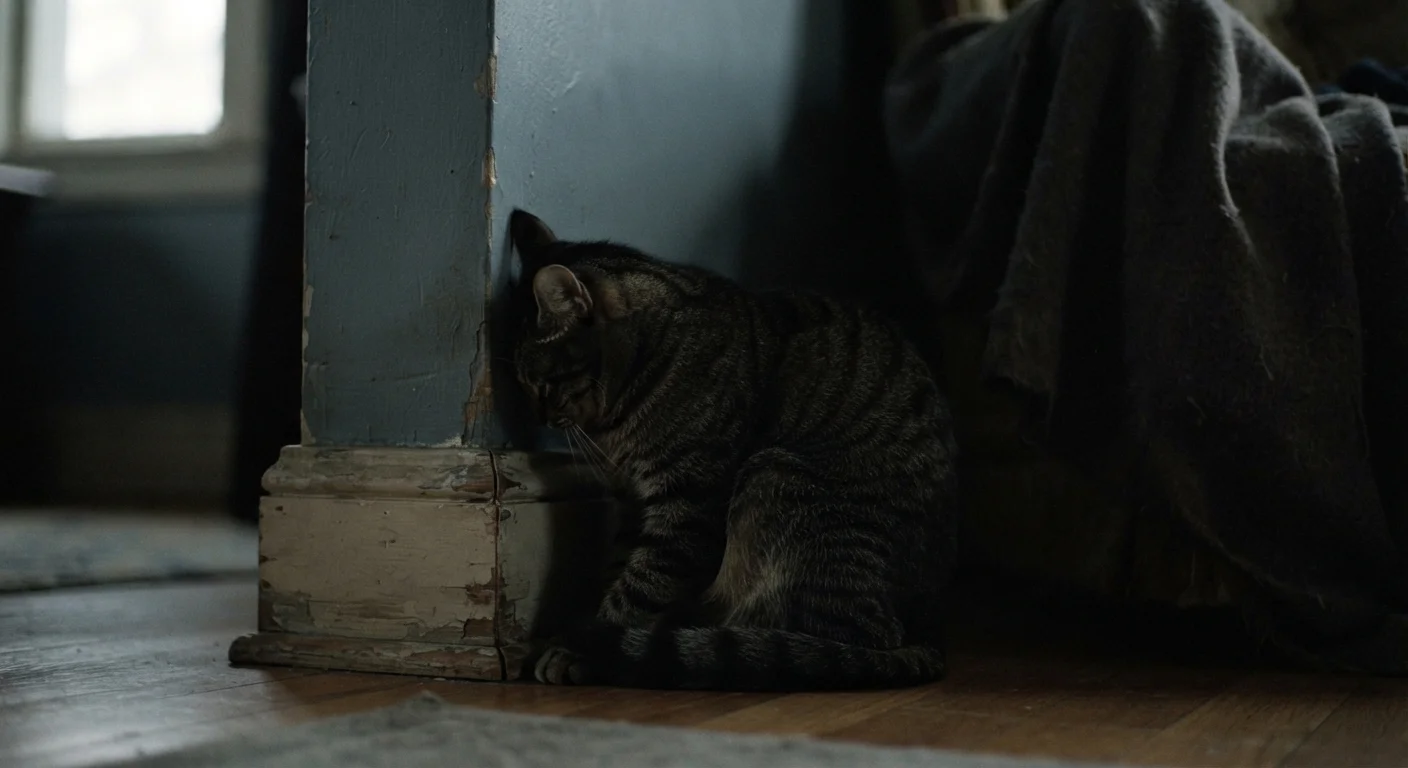
Photo credit: FindersGroove.com | Discover Important Information
In this article
Hiding, over-grooming, or changes in appetite can all signal stress. Learn to spot the warning signs and identify what in your home may be triggering them.
Key Takeaways
- Behavioral changes like hiding, over-grooming, or appetite shifts often signal stress before obvious distress appears.
- Many stress triggers are environmental - noise, crowding, schedule disruption, or inadequate space.
- Stress and pain can look similar; ruling out medical causes with a vet is always the right first step.
- Small, consistent changes to your pet's environment can meaningfully reduce chronic stress over time.
- Understanding your pet's normal baseline makes it much easier to notice when something is off.
Why Pet Stress Is Easy to Miss
Pets can't tell you they're overwhelmed - but their bodies and behaviors do. The challenge is that many stress signals are subtle enough to look like personality quirks or minor mood shifts. A dog that suddenly hides under the bed or a cat that stops greeting you at the door may be communicating something important about their environment.
Stress in pets is rarely one dramatic event. More often, it builds gradually through repeated low-level triggers - a noisy household, a disrupted routine, or a lack of safe retreat space. Learning to read these signals early is one of the most practical things you can do as a pet owner. For a broader look at how animals communicate discomfort, see our practical body language reference.
It's also worth noting that stress and pain can produce overlapping signs. Before assuming the cause is environmental, a veterinary check to rule out underlying physical issues is always the appropriate first move. Our companion piece on how animals hide pain covers those distinctions in more detail.
Stress vs. Pain: Know the Overlap
Several signs of stress - withdrawal, appetite changes, aggression, elimination changes - also appear in pets experiencing physical pain or illness. Stress and pain are not mutually exclusive either; chronic discomfort can cause behavioral stress. A veterinary evaluation is the right starting point whenever you notice a meaningful change in your pet's behavior, regardless of your initial hunch about the cause.
Common Signs and the Environmental Triggers Behind Them
Hiding or Withdrawal
A pet that suddenly retreats to under-bed spaces, closets, or rarely-used corners is often seeking safety from something in their environment. This is especially common after a household change - a new person moving in, a new pet, or rearranged furniture that disrupts familiar territory.
Common trigger: Overcrowding, unpredictable human traffic, or the loss of a safe, quiet retreat space. Cats in particular need areas where they can observe without being approached.
Retreat behavior is one of the clearest signs a pet no longer feels safe in their space.
Changes in Appetite
Eating significantly more or less than usual - or refusing meals entirely - can reflect emotional stress rather than a physical condition. Dogs may eat faster or become food-guarding when stressed; cats often stop eating altogether.
Common trigger: Schedule disruptions such as shifted feeding times, household tension, or the introduction of another animal competing for resources. Consistency in routine has a measurable calming effect on many pets.
Appetite shifts that coincide with household changes are worth taking seriously, not waiting out.
Excessive Grooming or Self-Directed Behaviors
Over-grooming in cats - often resulting in thinning fur or bald patches - and repetitive licking, chewing, or scratching in dogs can be stress responses. These behaviors can also indicate skin conditions, so veterinary evaluation is important before assuming a behavioral cause.
Common trigger: Chronic low-level stress, boredom from under-stimulation, or anxiety linked to separation. Animals with limited environmental enrichment are particularly prone to these coping behaviors.
Repetitive self-directed behaviors are the animal equivalent of stress-driven habits - and just as worth addressing.
Increased Vocalization or Restlessness
Excessive barking, whining, meowing, or an inability to settle can indicate that a pet is on high alert or emotionally dysregulated. In cats, increased nighttime vocalization is a recognized stress signal, particularly in multi-cat households.
Common trigger: Noise exposure - including construction, fireworks, or loud appliances - and unpredictable schedules. High ambient noise levels keep pets in a state of low-level vigilance that is physiologically taxing over time.
Persistent vocalization in a previously quiet pet is a signal worth investigating, not just correcting.
Litter Box or House-Training Regressions
A pet that was reliably house-trained or litter-box consistent and suddenly isn't may be responding to stress rather than defiance. This is one of the most commonly misread signals, often attributed to behavioral problems when the underlying cause is environmental.
Common trigger: Location changes for the litter box, a new pet nearby the elimination area, or a disruption that makes the usual space feel unsafe. Territorial stress in multi-pet homes is a particularly common driver.
Regression in bathroom habits is frequently stress, not disobedience - context matters enormously.
Aggression or Increased Reactivity
A normally easygoing pet that begins snapping, hissing, or reacting strongly to routine interactions may have reached a stress threshold where their tolerance has dropped. This is not a personality change - it's often a communication that something in the environment is consistently overwhelming them.
Common trigger: Over-handling, inadequate personal space, or the introduction of a stressor (new pet, new person, new noise) without a gradual acclimation period. Understanding these triggers is explored further in our article on what reactive behavior is actually communicating.
Aggression in a normally gentle pet almost always has a cause worth finding - not just a behavior worth suppressing.
Track Changes Before Your Vet Visit
Keep a simple log of when unusual behaviors started, how often they occur, and what was happening in the household around that time. Even a few days of notes gives your veterinarian far more to work with than a general description. Photos or short video clips of the behavior are also genuinely useful for diagnosis.
What You Can Do Next
Identifying a stress signal is the first step - responding to it constructively is the next. Many environmental stressors are addressable without major effort: reducing noise exposure, establishing more predictable routines, or creating a quiet retreat space can all make a meaningful difference. Our guide to setting up a comfortable home space offers practical steps you can start with today.
For a deeper dive into the triggers veterinarians most commonly identify and evidence-informed strategies for managing them, visit our article on stress and anxiety triggers in pets. And if your pet's behavior feels confusing or escalating, understanding what acting out communicates can help you interpret the message rather than just manage the behavior.
When in doubt, consult your veterinarian. Persistent behavioral changes always warrant a professional evaluation - what looks like stress may have a medical component, and a vet can help you build a response plan suited to your specific animal.
This article is for general informational purposes only and does not constitute veterinary advice. Always consult a qualified veterinarian regarding your pet's health or behavior.

Author
Pets & Animal Life Editorial Team
Pets & Animal Life Editorial Team is the collective byline for our editorial team and contributor network. Articles published under this byline or an editorial pen name are researched, written, and reviewed according to our editorial standards for clarity, consistency, and independence before publication.
View all articles →