
Protein Sources Across Eating Styles: Animal, Plant, and Everything Between
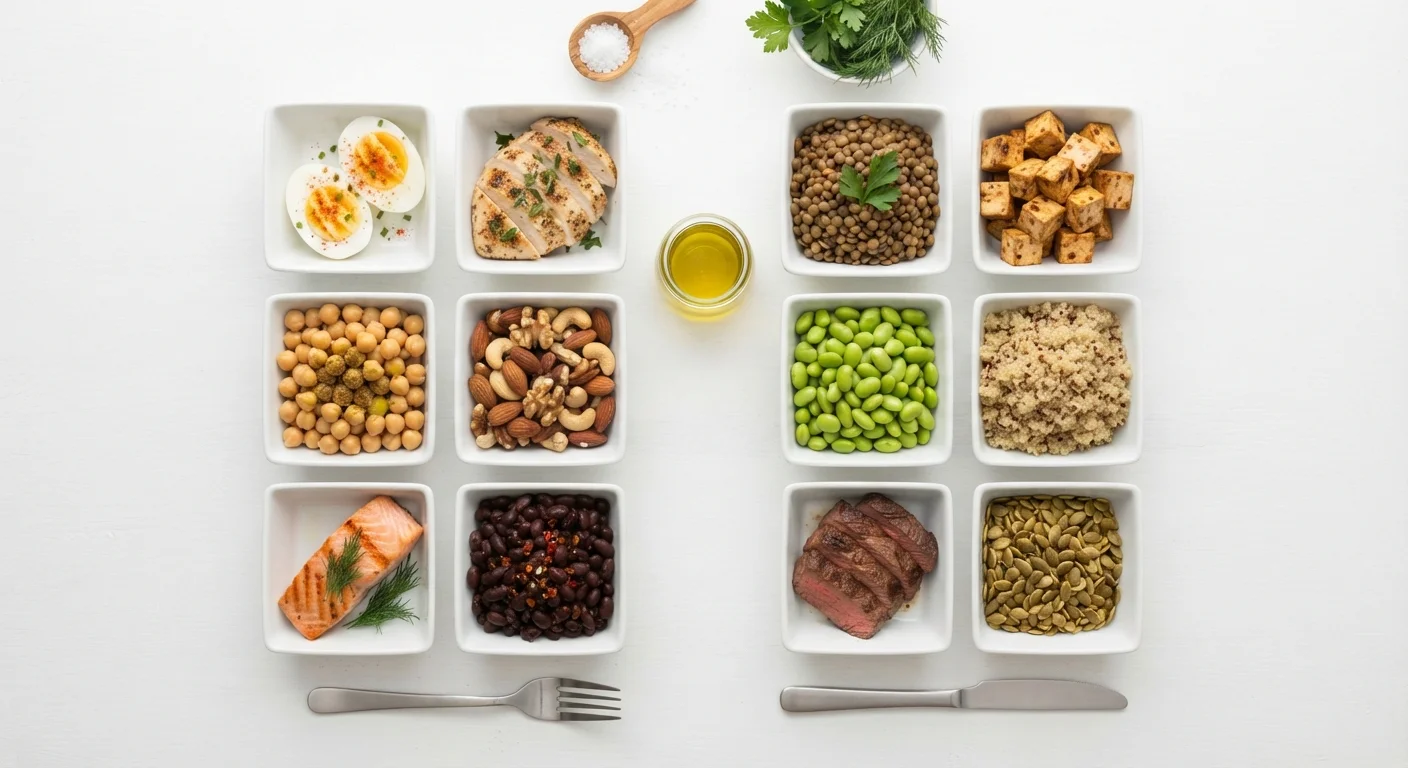
Photo credit: FindersGroove.com | Discover Important Information
In this article
A side-by-side look at protein quality, bioavailability, and practical differences between animal-based and plant-based protein sources.
Key Takeaways
- Animal proteins are nutritionally 'complete,' containing all essential amino acids in one source.
- Most plant proteins are 'incomplete' but combining different plants throughout the day fills the gap.
- Bioavailability - how well your body absorbs protein - varies across sources and preparation methods.
- Both eating styles can support healthy protein intake when planned thoughtfully.
- Cost, sustainability, and personal health context all matter when choosing your protein sources.
Why Protein Quality Is More Nuanced Than It Looks
Protein is made up of amino acids - and your body needs 20 of them to function, nine of which it cannot produce on its own. These nine are called essential amino acids, and you must get them from food. This is where the quality conversation starts.
Animal proteins - meat, poultry, fish, eggs, and dairy - are considered complete proteins because they contain all nine essential amino acids in proportions your body uses efficiently. Most plant proteins, by contrast, are incomplete: they're typically low in at least one essential amino acid. Exceptions include soy (edamame, tofu, tempeh) and quinoa, which are complete plant proteins.
That said, "incomplete" doesn't mean inadequate. Eating a variety of plant foods throughout the day - such as rice and beans, or hummus and whole-grain pita - provides the full amino acid spectrum without needing to plan each meal as a precise combination. If you're newer to nutrition concepts, our grounded nutrition primer for beginners explains how nutrients work in plain language.
Bioavailability: How Much Protein Your Body Actually Uses
Eating protein and absorbing protein are two different things. Bioavailability refers to how efficiently your body digests and uses the protein in a given food. Nutrition scientists use several tools to measure this, including the Protein Digestibility Corrected Amino Acid Score (PDCAAS) and the Digestible Indispensable Amino Acid Score (DIAAS).
Animal proteins generally score high on both scales - eggs, in particular, are often used as a reference benchmark. Plant proteins tend to score lower, partly because plant cell walls and compounds like phytates and tannins can interfere with digestion. However, cooking, soaking, sprouting, and fermenting plant foods can meaningfully improve their digestibility. Tempeh, for instance, is fermented soy and tends to be better absorbed than unprocessed whole soybeans.
| Animal Protein | Plant Protein | |
|---|---|---|
| Amino acid completeness | Complete (all 9 essential amino acids) | Often incomplete; soy and quinoa are exceptions |
| Bioavailability (digestibility) | Generally high | Moderate; improved by cooking, soaking, fermenting |
| Key examples | Eggs, chicken, fish, dairy, lean beef | Lentils, tofu, tempeh, chickpeas, quinoa, edamame |
| Fiber content | None | High - supports gut health |
| Typical cost | Varies widely; eggs and canned fish are affordable | Generally low; dried legumes especially budget-friendly |
| Environmental impact | Generally higher | Generally lower, especially legumes |
| Notable nutrients alongside protein | B12, heme iron, zinc, omega-3s (fish) | Fiber, folate, magnesium, phytonutrients |
This doesn't mean plant protein is ineffective - it means that meeting protein needs on a plant-forward diet often requires eating a somewhat larger quantity or greater variety of sources. Context matters too: overall dietary pattern, gut health, and individual variation all influence how any protein is absorbed.
Practical Considerations: Cost, Sustainability, and Everyday Eating
Nutrition doesn't happen in a vacuum. What you actually eat is shaped by access, budget, cooking habits, and values - and protein choices are no exception.
Cost: Plant proteins like dried lentils, canned chickpeas, and beans are among the most affordable protein sources available. Animal proteins vary widely - eggs and canned fish sit at the budget-friendly end, while certain cuts of meat can be expensive. Our guide to eating well on a budget covers practical strategies for getting solid nutritional value without overspending.
Environmental footprint: Research consistently shows that plant proteins - particularly legumes - have a lower environmental impact than most animal proteins in terms of greenhouse gas emissions, land use, and water consumption. This is a factor many younger adults weigh alongside personal health.
Processing matters across both categories: A grilled chicken breast and a heavily processed chicken nugget are both "animal protein," but their overall nutritional profiles differ significantly. The same logic applies to plant-based meat alternatives, which can vary widely in sodium and additive content. Understanding where foods fall on the processing spectrum is a useful lens when evaluating any protein source.
A Simple Rule for Plant Protein Variety
If you eat mostly plant-based, aim to include at least two different protein sources across your day - for example, edamame at lunch and lentil soup at dinner. This naturally rounds out the amino acid profile without requiring complicated meal calculations. Variety is the practical shortcut.
Building a Protein Strategy That Works for You
Rather than choosing a "winner," most people benefit from understanding what each category offers and building flexibility into their eating pattern. A few evidence-informed principles can help:
- Diversify within categories. If you eat animal products, rotating between eggs, fish, dairy, and poultry gives you a broader nutrient profile than relying on one source alone.
- Lean on legumes. Lentils, black beans, edamame, and chickpeas are protein-dense, high in fiber, and genuinely versatile - regardless of your overall eating style.
- Don't stress individual meals. Amino acid balance works across the day, not within a single plate. A varied day of eating handles this naturally for most people.
- Watch the full nutritional picture. Protein sources come packaged with other nutrients - saturated fat, fiber, iron, calcium, B12. These context nutrients matter for your overall health, not just the protein grams.
If you have specific health conditions, follow a restricted diet, or are in a special life stage (such as pregnancy, older adulthood, or an active athletic training regimen), individual protein needs can vary meaningfully. A registered dietitian can help you tailor an approach to your circumstances.
This article is for general informational and educational purposes only and is not a substitute for professional medical or nutritional advice. Please consult a qualified healthcare provider or registered dietitian for guidance tailored to your individual health needs.

Author
Health & Wellness Editorial Team
Health & Wellness Editorial Team is the collective byline for our editorial team and contributor network. Articles published under this byline or an editorial pen name are researched, written, and reviewed according to our editorial standards for clarity, consistency, and independence before publication.
View all articles →