
Eating on a Budget Without Sacrificing Nutritional Quality
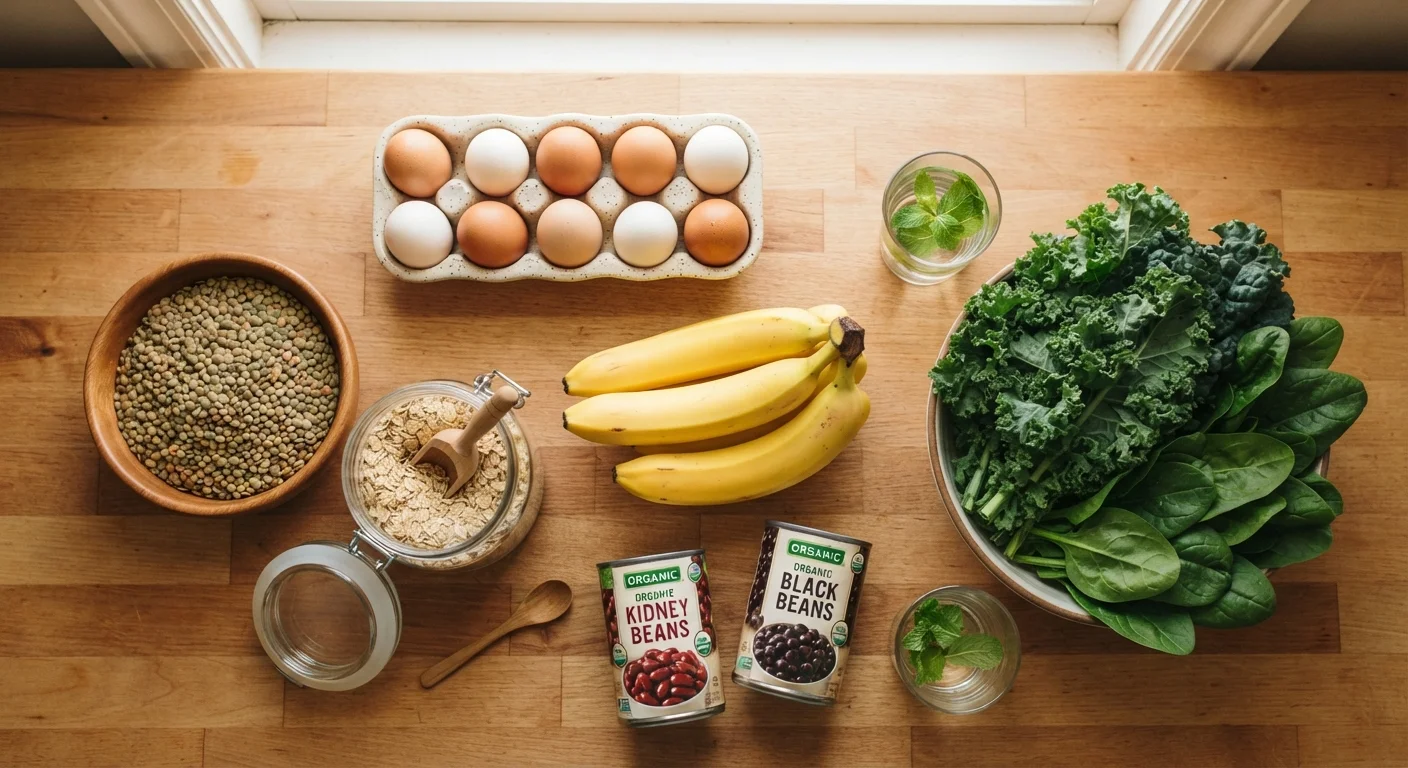
Photo credit: FindersGroove.com | Discover Important Information
In this article
Practical strategies for building a balanced, varied diet when money is tight — including which staples deliver the most nutritional value per dollar.
Key Takeaways
- Nutrient-dense staples like lentils, oats, eggs, and frozen vegetables consistently deliver strong nutritional value at low cost.
- Buying in bulk, cooking from scratch, and reducing food waste are among the most impactful budget strategies.
- A flexible weekly meal plan helps stretch your grocery dollars without requiring rigid or complicated meal prep.
- Plant-based proteins typically cost less per gram than animal proteins without sacrificing nutritional quality.
- Small, consistent habits - not perfect eating - are what sustain good nutrition over time on a limited budget.
Why Budget Eating Gets a Bad Reputation
When money is tight, many young adults assume they have to choose between eating affordably and eating well. Fast food feels cheaper than fresh produce, processed snacks seem more filling than whole grains, and the sheer volume of conflicting nutritional advice makes it hard to know where to even start. If any of that resonates, you're not alone - and the good news is the premise is mostly wrong.
Eating nutritiously on a limited budget is genuinely achievable. It doesn't require specialty health food stores, expensive superfoods, or elaborate cooking skills. What it does require is a handful of reliable strategies and a realistic understanding of which foods offer the most nutrition per dollar. If you're new to thinking about food this way, our grounded nutrition introduction is a useful starting point before diving in here.
This article is for general informational purposes only and is not a substitute for personalized dietary or medical advice. Consult a registered dietitian or healthcare provider for guidance specific to your health needs.
Best Practices for Nutritious Budget Eating
The following practices are grounded in nutrition research and practical experience. They're designed to work together - but even adopting one or two can meaningfully improve how far your food budget goes.
Prioritize nutrient-dense staples with a long shelf life
Foods like dried lentils, canned beans, oats, eggs, and frozen vegetables deliver protein, fiber, vitamins, and minerals at a fraction of the cost of processed alternatives. Their long shelf life also means less waste, which further lowers effective cost per meal.
Lean on plant-based proteins to reduce your protein spend
Plant proteins - beans, lentils, chickpeas, tofu, and peanut butter - typically cost far less per gram of protein than meat or seafood. They also bring fiber and micronutrients that animal proteins don't, making them exceptional nutritional value. For a full comparison, see our overview of protein sources across eating styles.
Choose frozen or canned produce without guilt
Frozen vegetables are harvested and flash-frozen at peak ripeness, which preserves most of their nutrients. Canned legumes and vegetables are similarly nutritious and far cheaper than fresh equivalents, especially out of season. The widespread assumption that fresh always means better nutrition is not consistently supported by evidence.
Plan meals loosely before shopping to reduce waste
Going to the grocery store without a rough plan leads to over-purchasing perishables and impulse buys that exceed the budget. Even a loose plan - knowing you'll cook three dinners from a shared set of ingredients - cuts waste and increases how much nutrition you extract from each dollar spent.
Buy in bulk for the items you use consistently
Staples like oats, rice, dried beans, and whole-grain pasta are substantially cheaper per unit when bought in larger quantities. The key is limiting bulk purchases to non-perishable items you reliably use, so nothing goes to waste.
Cook from scratch more often than you think you need to
Pre-packaged and convenience foods carry significant markup for processing, packaging, and convenience. Home-cooked meals from whole ingredients are almost always cheaper per serving and allow you to control the quality of fats, sodium, and added sugars - areas where processed foods frequently fall short.
Start Here: Quick Wins You Can Act On Today
Not ready to overhaul your grocery habits all at once? That's completely normal. These immediate actions require minimal effort but can produce noticeable results on both your budget and your nutrition within a week.
For more ideas on protecting your overall spending without cutting what matters most, see our guide on stretching a tight budget.
The Bigger Picture: Nutrition, Budget, and Sustainable Habits
Budget eating isn't just about individual foods - it's about patterns and systems. A simple weekly meal plan reduces impulse purchases and food waste dramatically. Research consistently shows that households with even a loose meal plan waste significantly less food, which translates directly into savings. Our article on meal planning that holds up through the week walks through a practical, low-effort approach.
~$1,500
Average annual U.S. household food waste cost
Research from ReFED and the USDA estimates that the average U.S. household loses roughly $1,300-$1,800 worth of food annually to waste - a major hidden budget drain.
3-5x
Cost difference: meat vs. legume protein
Nutritional cost analyses frequently show that plant-based proteins such as lentils and beans cost several times less per gram of protein than chicken or beef at typical U.S. retail prices.
It's also worth acknowledging that nutrition doesn't exist in isolation from your broader financial picture. Understanding how food fits into your overall spending is part of building a complete personal budget. And if you notice ongoing fatigue, difficulty concentrating, or other symptoms that concern you, consider reading about signs your diet may be missing key nutrients - and always follow up with a healthcare professional.
Special Dietary Needs Deserve Professional Input
The strategies in this article reflect general nutrition guidance for healthy adults. If you have a chronic health condition, are pregnant, or have specific dietary restrictions, your nutritional needs may differ significantly. A registered dietitian can help you identify affordable eating strategies tailored to your particular circumstances. Many dietitians offer sliding-scale fees, and some community health centers provide nutrition counseling at low or no cost.
Ultimately, sustainable budget eating is less about perfection and more about building a handful of reliable habits that you can maintain week after week. Small, consistent choices compound over time - and that's true for both your nutrition and your wallet.

Author
Health & Wellness Editorial Team
Health & Wellness Editorial Team is the collective byline for our editorial team and contributor network. Articles published under this byline or an editorial pen name are researched, written, and reviewed according to our editorial standards for clarity, consistency, and independence before publication.
View all articles →