
Meal Planning That Actually Holds Up Through the Week
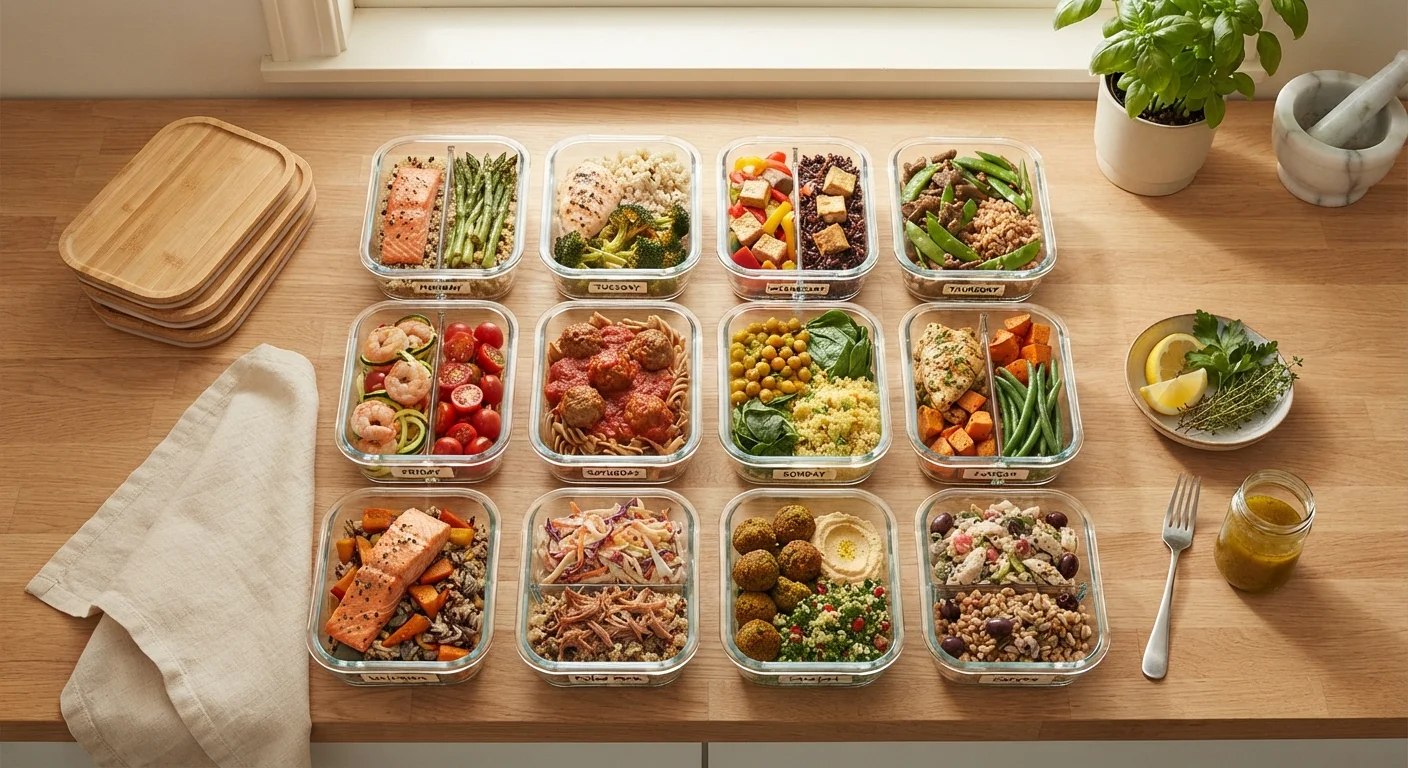
Photo credit: FindersGroove.com | Discover Important Information
A realistic, step-by-step approach to planning meals that reduces food waste, saves time, and keeps nutrition goals manageable day to day.
Key Takeaways
- A flexible meal template beats a rigid plan - it adapts to your real week.
- Batch cooking a few core ingredients saves time without locking you into repetitive meals.
- Checking your pantry before planning reduces food waste and grocery spend.
- Keeping meals simple mid-week prevents decision fatigue and takeout temptation.
- Nutrition doesn't have to be perfect every day - consistency over the week matters more.
Why Most Meal Plans Collapse by Wednesday
If you've ever started a week with a colour-coded meal plan and ended it ordering takeout four nights in a row, you're not failing - you're running into a design flaw. Most meal planning advice treats a week as predictable and uniform, when real life is neither. Overly detailed plans create friction the moment anything shifts: a late meeting, a friend's spontaneous invite, or simply being too tired to execute a 45-minute recipe.
The fix isn't more willpower. It's a simpler, more adaptable system - one built on flexible templates and pre-cooked building blocks rather than rigid daily assignments. Meal planning also connects to broader financial habits; a consistent grocery strategy can meaningfully reduce food spend, which pairs well with the kind of intentional budgeting explored in our guide to setting up a monthly budget.
Reusable storage containers
Store batch-cooked grains, proteins, and vegetables in the fridge for easy assembly throughout the week.
Weekly meal planning template (paper or digital)
Map out dinners and lunches by day so you can shop with intention and avoid mid-week scrambling.
Grocery list app or notepad
Consolidate ingredients across planned meals to streamline shopping and reduce duplicate purchases.
Sheet pan or large baking dish
Roast multiple vegetables or proteins at once during batch cooking sessions.
How to Build Your Weekly Plan Step by Step
The steps below walk you through a realistic, low-friction planning process. You'll need the prerequisites listed and about 30-60 minutes for your first run-through. Once the habit is established, the planning itself typically takes under 20 minutes.
What you will need
Audit your pantry and fridge before planning anything
Before you open a recipe app or write a single item on your grocery list, spend five minutes looking at what you already have. Check your pantry for grains, canned beans, pasta, and spices. Look in the fridge for vegetables, condiments, or proteins that need using up soon.
Building meals around what you already own cuts waste and keeps costs down - a principle also central to eating well on a tighter budget.
Choose a flexible meal template, not a rigid schedule
Rather than assigning a specific recipe to every night, plan by category: one grain bowl night, one sheet pan dinner, one soup or stew, one quick protein-and-veg assembly. This structure gives you decision guardrails without locking you in when Thursday looks nothing like Monday did in your head.
Flexibility is the single biggest predictor of whether a meal plan survives contact with a real week.
Pick two or three batch-cook anchor ingredients
Select a handful of versatile ingredients to cook in bulk: a pot of brown rice or farro, roasted sweet potatoes, a batch of lentils or chickpeas, or a simple grilled chicken. These become the building blocks for multiple meals - not the same meal repeated, but remixed into different combinations.
Think of it as cooking components, not dishes. A batch of roasted vegetables works in a grain bowl on Tuesday, a wrap on Wednesday, and alongside eggs on Thursday morning.
Write a focused grocery list from your plan
Once your meal template is set and your pantry gaps are identified, write your grocery list organized by section: produce, proteins, grains, dairy or alternatives, pantry items. This reduces backtracking in-store and makes online ordering faster.
Keep the list realistic. Over-buying fresh produce is one of the most common reasons meal plans collapse - the week gets busy, and wilted greens become guilt and waste rather than dinner.
Do a short batch-cook session at the start of the week
Set aside 45-60 minutes - often a Sunday afternoon or Monday evening - to cook your anchor ingredients. Roast a tray of vegetables, cook a pot of grains, prepare a protein or two. You don't need to assemble full meals; just get the components ready so weeknight cooking is mostly assembly rather than starting from scratch.
This same logic applies to physical routines: a little upfront planning makes consistency far easier, as explored in our guide to building a weekly movement plan.
Check in mid-week and adjust without guilt
On Wednesday or Thursday, take a quick look at what's left in the fridge and whether your plan is holding. If something went unused, pivot - fold those ingredients into a different meal rather than abandoning the week entirely. A mid-week reset is a feature of a good system, not a sign that the system failed.
Nutrition doesn't need to be perfect every single day. Research consistently supports that dietary patterns over time matter more than any individual meal. Give yourself room to adapt.
Nutrition Simplicity Beats Perfection
You don't need to hit every micronutrient target every day to eat well. Aiming for a variety of whole foods - vegetables, legumes, whole grains, lean proteins - across the week is a sustainable and evidence-aligned approach. Rigid calorie or macro tracking isn't necessary for most people and can sometimes create more stress than it relieves.
Don't Over-Complicate the First Week
A common mistake is planning seven elaborate dinners before you've built the habit at all. Start with planning just three or four dinners and two lunches. A simple plan you actually follow beats an ambitious one you abandon by Wednesday. Complexity can grow once the routine is established.
This Is General Guidance, Not Medical Advice
This article offers general nutritional education for a broad audience. It is not a substitute for personalised advice from a registered dietitian or healthcare provider. If you have a specific health condition, food allergy, or dietary need, please consult a qualified professional before making significant changes to your eating habits.
This article is for general informational and educational purposes only and does not constitute medical, nutritional, or dietary advice. Consult a qualified healthcare professional or registered dietitian for guidance tailored to your individual health needs.

Author
Health & Wellness Editorial Team
Health & Wellness Editorial Team is the collective byline for our editorial team and contributor network. Articles published under this byline or an editorial pen name are researched, written, and reviewed according to our editorial standards for clarity, consistency, and independence before publication.
View all articles →