
Decoding a Nutrition Label Without a Science Degree
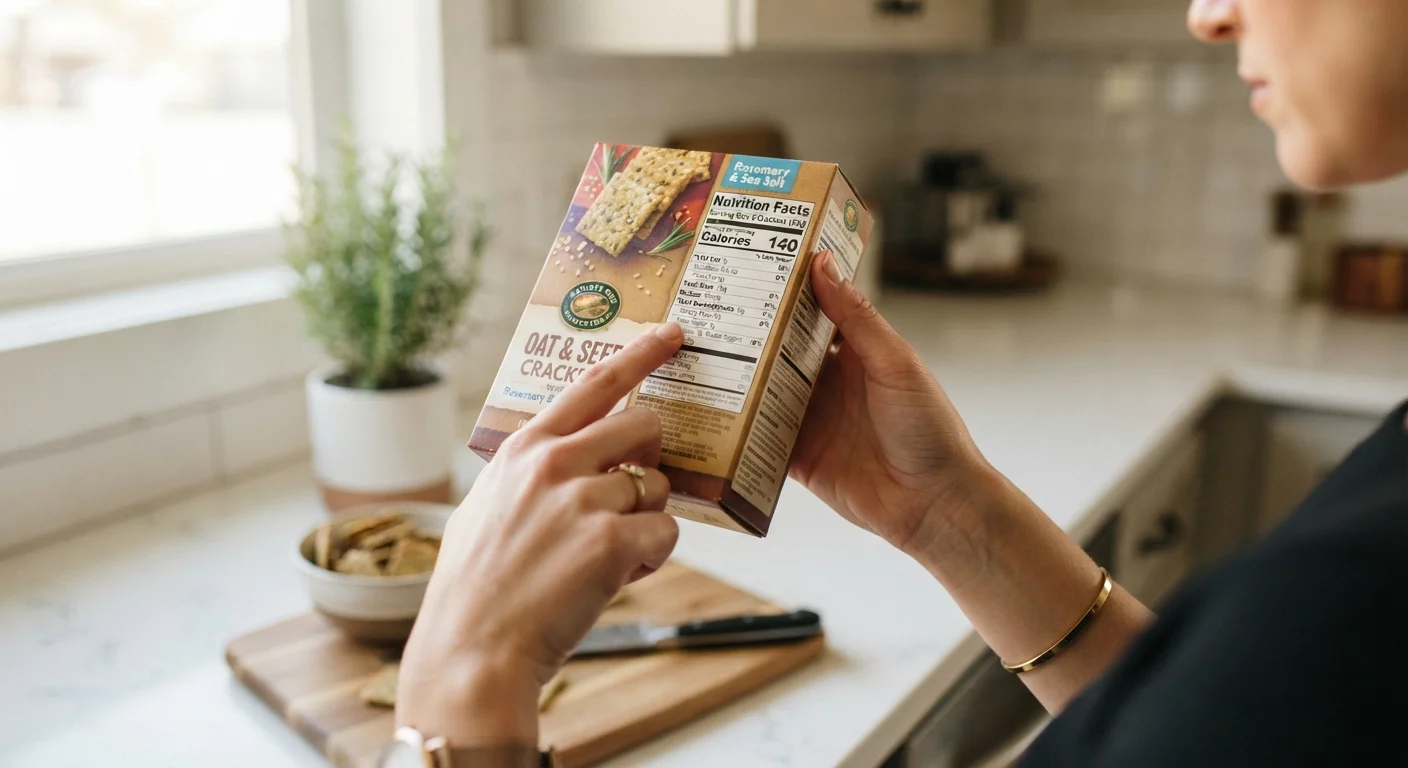
Photo credit: FindersGroove.com | Discover Important Information
In this article
A practical walkthrough of every section on a food nutrition label — serving sizes, % Daily Values, ingredient lists, and what to watch for.
Key Takeaways
- Serving size is the anchor for every number on the label - always check it first.
- % Daily Value tells you if a nutrient is low (5% or less) or high (20% or more) per serving.
- Ingredients are listed by weight, so the first few matter most.
- Added sugars and sodium are worth monitoring even in foods that seem healthy.
- Front-of-package claims can be misleading - the back panel tells the real story.
Why Nutrition Labels Feel So Confusing
If you've ever squinted at a nutrition label wondering whether 18g of carbs is good, bad, or irrelevant, you're not alone. Nutrition labels were redesigned by the FDA in 2020 to be more consumer-friendly, yet many people still find them hard to interpret. Part of the problem is that no one teaches this skill explicitly - and the internet adds layers of conflicting advice on top.
The good news: once you understand the label's structure, it becomes fast and intuitive. This walkthrough covers the Nutrition Facts panel found on most packaged foods sold in the US. For deeper definitions of terms you encounter along the way, our nutrition glossary is a helpful companion. And if you want context on how processed foods fit into broader eating patterns, see whole foods vs. processed foods.
What you will need
Step-by-Step: Reading the Label from Top to Bottom
The Nutrition Facts panel is organized deliberately. Work through it in order and you'll avoid the most common misreading mistakes.
Find the Serving Size
Every single number on the label is calculated per serving - not per package. Check the serving size and servings per container at the very top. If a bag of chips lists 150 calories per serving but contains 3 servings, eating the whole bag means 450 calories. This single step prevents the most common label-reading error.
Check Calories
Calories reflect total energy per serving. The updated label displays this number prominently. Calories matter in context - someone very active has different energy needs than someone sedentary. Rather than fixating on a single number, use calories as one data point alongside nutrient quality.
Scan the 'Limit These' Nutrients
The FDA flags several nutrients most Americans consume in excess: saturated fat, sodium, and added sugars. Added sugars now have their own line - a key update in the 2020 redesign - making it easier to distinguish naturally occurring sugars (in fruit or dairy) from sugars added during manufacturing. High sodium intake is associated with elevated blood pressure in some individuals; most US adults exceed recommended limits without realizing it.
Look for 'Get Enough Of' Nutrients
Dietary fiber, vitamin D, calcium, iron, and potassium are nutrients many people under-consume. The label highlights these because adequate intake is linked to reduced risk of chronic conditions. Fiber in particular supports digestive health and satiety - our deep dive on dietary fibre explains exactly why it matters and where to find it.
Use % Daily Value as Your Quick Guide
The % Daily Value (%DV) column is arguably the most useful part of the label. It's based on a 2,000-calorie reference diet and tells you how much a nutrient in one serving contributes to a full day's worth. The FDA's rule of thumb: 5% DV or less is low, 20% DV or more is high. Use this to make quick comparisons between products without doing math.
Compare Products at a Glance
When choosing between two similar products, align them by the same serving size and compare %DV for saturated fat, sodium, added sugars, and fiber simultaneously. This four-number scan takes about 20 seconds and gives you a reliable relative picture of nutritional quality.
The Ingredient List and Front-of-Package Claims
The ingredient list lives below the Nutrition Facts panel and follows one firm rule: ingredients are listed in descending order by weight. Whatever appears first dominates the product. If sugar (under any of its many names - corn syrup, dextrose, cane juice) shows up in the first three ingredients of something marketed as a health food, that's worth noting.
Watch for long ingredient lists with unfamiliar chemical-sounding names. That's not automatically a red flag - some additives are well-studied and safe - but cross-referencing with the sodium and added sugar numbers gives you a fuller picture. Our article on reading product claims without being misled breaks down how front-of-package language like "natural," "light," and "supports immunity" is regulated (or isn't).
Front Labels Don't Tell the Full Story
Terms like "multigrain," "low-fat," or "natural" on the front of a package are marketing language, not nutritional guarantees. A "low-fat" product may compensate with added sugar; "multigrain" doesn't mean whole grain. Always flip to the Nutrition Facts panel and ingredient list before drawing conclusions about a product's healthfulness.
This article is for general informational and educational purposes only and is not a substitute for personalized dietary or medical advice. Consult a registered dietitian or qualified healthcare professional for guidance specific to your health needs.

Author
Health & Wellness Editorial Team
Health & Wellness Editorial Team is the collective byline for our editorial team and contributor network. Articles published under this byline or an editorial pen name are researched, written, and reviewed according to our editorial standards for clarity, consistency, and independence before publication.
View all articles →