
Brake Wear Myths That Could Put You at Risk
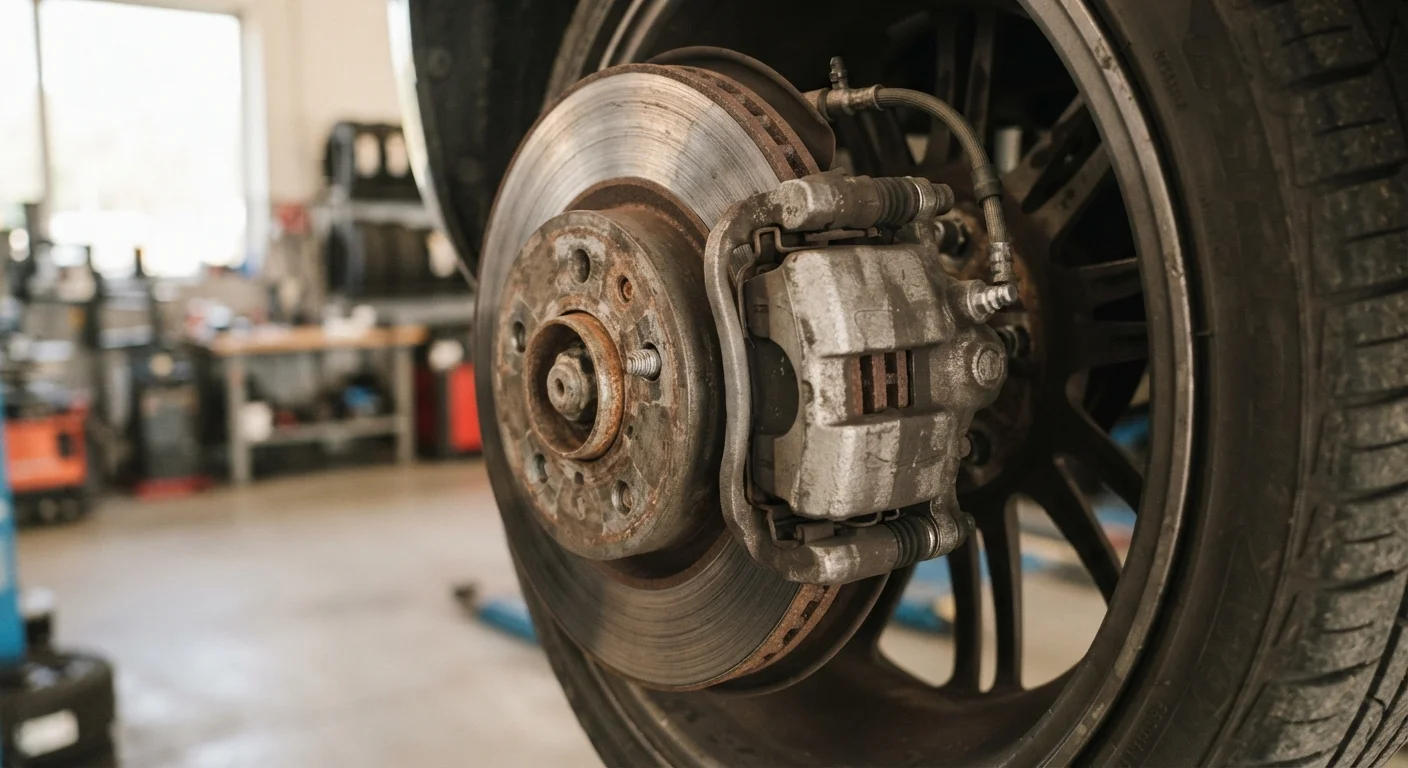
Photo credit: FindersGroove.com | Discover Important Information
Squealing always means danger? New pads always need bedding in? Separating brake maintenance myths from facts could keep you safer.
Key Takeaways
- Squealing brakes don't always signal danger - some causes are minor and temporary.
- Brake pad lifespan varies widely based on driving style, not just mileage.
- Grinding sounds are a more reliable warning sign than squealing alone.
- New brake pads typically do require a bedding-in process for optimal performance.
- Visual checks and brake feel are both valid tools for monitoring brake health.
Why Brake Myths Are Especially Costly
Brakes are the most safety-critical system on your vehicle, yet some of the most common beliefs about how they work - and when they fail - are flat-out wrong. Acting on bad information here doesn't just cost money: it can reduce your stopping power at exactly the wrong moment.
The good news is that understanding brake wear doesn't require a mechanical degree. A handful of clear, accurate principles will help you make smarter decisions about when to monitor, when to ask a qualified mechanic, and when you can confidently wait.
For context on how everyday habits compound wear across your whole vehicle, everyday driving habits that quietly wear down your vehicle is worth a read alongside this guide.
Myth
If my brakes squeal, I need to replace them immediately.
Fact
Squealing has several causes, many of which are minor. Squealing alone is not a reliable indicator that pads need replacing right now.
Brake squeal can result from dust or moisture on the rotor, cold temperatures, glazed pads, or the built-in wear indicator tab that some pads include. That tab is engineered to squeal when pads reach minimum safe thickness - but until it engages, intermittent squealing is often benign. A persistent squeal that occurs on every stop, especially combined with reduced braking performance, is worth having a mechanic check. A squeal that clears after the first few stops on a cold morning usually isn't cause for alarm.
Myth
Brake pads should last exactly 50,000 miles - if yours wear out sooner, something is wrong.
Fact
Pad lifespan varies enormously - commonly between 25,000 and 70,000 miles - depending on driving style, terrain, and pad material.
Frequent city driving with repeated hard stops wears pads far faster than steady highway cruising. Driving in hilly terrain, carrying heavy loads, or habitually riding the brake pedal (applying light, continuous pressure) all accelerate wear. Pad compound also matters: softer compounds provide better initial bite but wear faster; harder compounds last longer but may perform differently at lower temperatures. Mileage figures on packaging are averages based on typical conditions - your real-world result will differ. Habits that quietly shorten your car's lifespan explores how seemingly small behaviors translate into real mechanical wear.
Myth
New brake pads are ready to use at full performance straight out of the box.
Fact
New pads generally benefit from a bedding-in process that transfers a thin, even layer of pad material onto the rotor surface.
Bedding in - sometimes called break-in - typically involves a series of moderate, controlled stops from around 30-35 mph, allowing the pads and rotors to reach operating temperature gradually before cooling. This helps seat the pad evenly against the rotor and can improve braking consistency and reduce the chance of glazing. Skipping this step with aggressive braking right away can cause uneven material transfer, leading to vibration or reduced effectiveness. The specific process can vary by pad type, so check the manufacturer's guidance that comes with the pads.
Myth
You only need to check your brakes once a year at your annual service.
Fact
Brake wear should be monitored more frequently, especially if your driving conditions are demanding.
Annual checks are a minimum floor, not an adequate maintenance schedule for everyone. If you drive heavily in urban stop-and-go traffic, frequently drive in mountainous areas, or notice any change in how your brakes feel or sound, more frequent inspection is appropriate. Many mechanics check brake pad thickness during routine tire rotations - typically every 5,000 to 7,500 miles - which provides a much more useful monitoring interval. Most brake calipers allow a visual check of pad thickness without removing the wheel; if you're unsure what you're looking at, ask a mechanic to show you during your next service visit.
Myth
Thicker brake pads always mean better braking performance.
Fact
Pad thickness affects lifespan, but braking performance depends on pad compound, rotor condition, and system health - not thickness alone.
A thicker pad simply has more material remaining before it reaches its wear limit - it will last longer before replacement is needed. But a worn pad of the correct compound for your vehicle and driving style may still outbrake a thick pad of the wrong material in the same conditions. Rotor condition is equally important: a warped, scored, or excessively thin rotor undermines brake performance regardless of pad quality. The braking system functions as a whole, and evaluating pads in isolation misses the bigger picture.
Reading the Real Warning Signs
Once the myths are cleared away, you're better positioned to act on the signals that actually matter. Grinding during braking - a metallic scraping noise - generally means pad material has worn through and metal is contacting your rotor. This warrants prompt professional inspection, as continued driving can damage the rotor itself and significantly increase repair costs.
Pulling to one side under braking, a spongy or low brake pedal, or a vibrating steering wheel during stops are all signs worth investigating. None of these should be attributed to normal wear and ignored.
Grinding Brakes Need Prompt Attention
A persistent metal-on-metal grinding sound during braking is not a noise to monitor and revisit later. It typically indicates pads have worn through to the backing plate, meaning metal is contacting your rotor. Continued driving in this condition can damage the rotor itself - turning a pad replacement into a significantly more expensive rotor replacement. Have the vehicle inspected by a qualified mechanic as soon as practical.
On the other hand, a slight squeal on cold mornings that disappears within the first stop or two is often surface oxidation on the rotor - a thin layer of rust that forms overnight. This is common and typically harmless. Similarly, some brake pads include a small wear indicator tab designed to squeal when pads reach minimum thickness - a deliberately engineered alert, not random noise.
Keeping tabs on your brake feel is part of the broader picture of car ownership. Tyre pressure, tread depth, and when to replace covers the complementary checks your tyres need - because brakes and tyres work as a system when it counts most. And if you're curious about other beliefs that don't hold up to scrutiny, car ownership myths that keep costing people money tackles several more.
This article is for informational purposes only. Always consult a qualified mechanic for diagnosis or repair of your vehicle's braking system.

Author
Autos & Driving Editorial Team
Autos & Driving Editorial Team is the collective byline for our editorial team and contributor network. Articles published under this byline or an editorial pen name are researched, written, and reviewed according to our editorial standards for clarity, consistency, and independence before publication.
View all articles →