
Night Driving Skills Every Driver Should Build
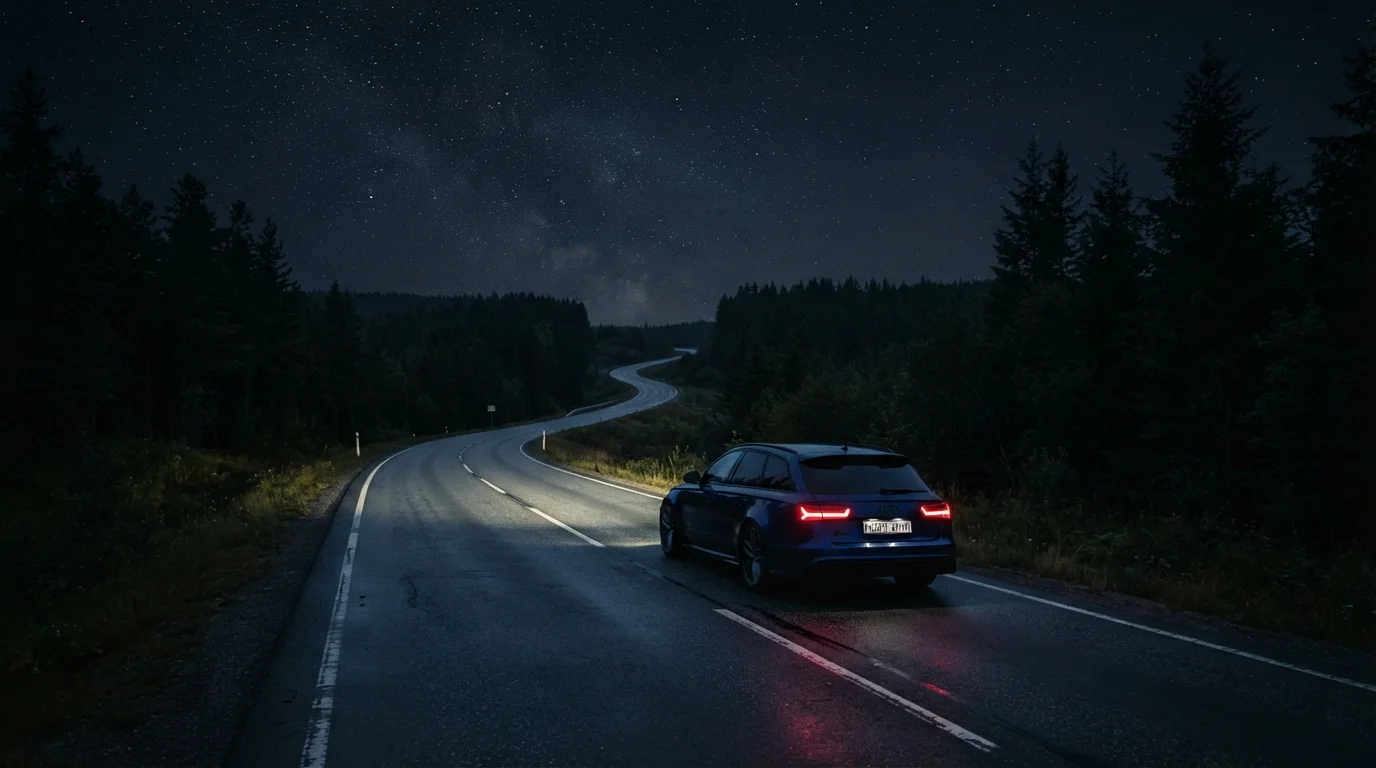
Photo credit: FindersGroove.com | Discover Important Information
In this article
Reduced visibility and different hazards make night driving a distinct skill. Here's a practical guide to becoming more confident after dark.
Key Takeaways
- Night driving reduces visibility significantly, requiring slower speeds and greater following distances.
- Properly aimed headlights and clean windshields are foundational to safe night driving.
- Fatigue is a heightened risk after dark - recognizing your limits is part of the skill.
- Your eyes need time to adjust when moving between bright and dark environments.
- Scanning techniques and hazard anticipation work differently at night and must be adapted.
Why Night Driving Is a Separate Skill
Most driving instruction happens during the day, which means the majority of licensed drivers are piecing together their after-dark technique through experience alone. That's a gap worth closing deliberately. Night driving reduces your visual field, changes how hazards appear, and adds fatigue as a compounding factor - all at once.
It's also the context where many of the most serious crashes occur. Understanding why night driving is harder is the first step to adapting your habits for it. For a broader look at how different road environments demand different skills, see our article on adapting your driving habits to different roads.
3x
Higher fatal crash rate at night vs. daytime
The AAA Foundation for Traffic Safety estimates the fatal crash rate per mile driven is roughly three times higher at night than during the day.
500 ft
High-beam visibility distance
High beams extend visibility to approximately 500 feet, versus roughly 160 feet for low beams - a significant difference for rural road scanning.
Vehicle Setup: The Foundation of Night Visibility
Before any technique matters, your car needs to be configured to give you the best possible visibility. Two things matter most: your headlights and your glass.
Check and aim your headlights regularly as part of routine maintenance.
Misaligned headlights either blind oncoming drivers or leave your road ahead underlit - both are dangerous. Many drivers don't notice gradual misalignment until it becomes a serious problem.
Increase your following distance to at least four seconds after dark.
Your headlights reveal hazards far later than daylight does, which means you need more time to react. Stopping distances don't change at night - your warning time does.
Reduce your speed below the posted limit on unlit rural roads.
Speed limits are set for typical conditions, but an unlighted road with wildlife, debris, or sharp curves warrants extra margin. Matching your speed to your actual sight distance is a core night-driving discipline.
Look slightly right of oncoming headlights to avoid temporary blindness.
Staring into oncoming lights triggers a brief loss of vision that can last several seconds. Shifting your gaze to the right edge line keeps your lane reference intact while protecting your eyes.
Keep your windshield and mirrors clean inside and out.
Interior film on glass scatters light and creates glare halos around every light source. A dirty windshield that's manageable during the day becomes a serious visibility hazard after dark.
Monitor yourself for fatigue signs before and during night trips.
Fatigue and darkness are a compounding pair - low stimulation at night accelerates drowsiness faster than most drivers expect. Catching early signs matters more than powering through.
For more on keeping your vehicle in night-ready condition, the Maintenance & Upkeep hub covers regular checks that directly affect safety.
Use High Beams Strategically
High beams roughly triple your visible road distance and should be used on unlit roads whenever no vehicles are ahead or approaching. Switch back to low beams as soon as another vehicle comes within 500 feet. Many drivers underuse high beams out of habit - but used correctly, they're one of your most effective night-driving tools.
Adapting How You Scan and React
Daytime scanning habits - checking mirrors, watching intersections, reading road markings - all still apply at night, but the timing shifts. Hazards emerge from darkness faster than they appear on a sunlit road, which means your eyes need to work further ahead and your speed needs to give you more time to respond.
Night Vision Varies Between Drivers
Age, certain medications, and conditions like vitamin A deficiency can reduce night vision quality. If you consistently struggle to see clearly after dark even with clean glasses or contacts, it's worth discussing with an eye care professional. This article covers general driving technique and is not a substitute for medical evaluation.
Night driving on unfamiliar routes compounds these challenges. Conditions like rain or fog tighten visibility further - our guide on driving in rain, fog, and snow explains how to layer those adjustments on top of your baseline night technique.
“Driving at night requires drivers to rely more heavily on their peripheral vision and hazard anticipation skills because the visual field is dramatically narrowed. The habits that keep you safe in daylight are necessary but not sufficient.”
— AAA Foundation for Traffic Safety, U.S. traffic safety research organization
Managing Fatigue and Planning Your Drive
Darkness naturally suppresses alertness - it's a biological response, not a personal weakness. Long night drives carry real fatigue risk that shorter daytime trips don't, and recognizing that helps you plan smarter rather than push through.
Build in breaks on drives over two hours. Avoid starting a long night trip already tired. If you notice yourself struggling to keep your eyes on the road or missing exits, take those signals seriously. Our driver fatigue warning signs guide walks through the specific cues most drivers miss until it's too late.
This article provides general driver education and is not a substitute for formal driving instruction or professional safety assessment.

Author
Autos & Driving Editorial Team
Autos & Driving Editorial Team is the collective byline for our editorial team and contributor network. Articles published under this byline or an editorial pen name are researched, written, and reviewed according to our editorial standards for clarity, consistency, and independence before publication.
View all articles →