
Fuel Efficiency Myths That Are Costing You at the Pump
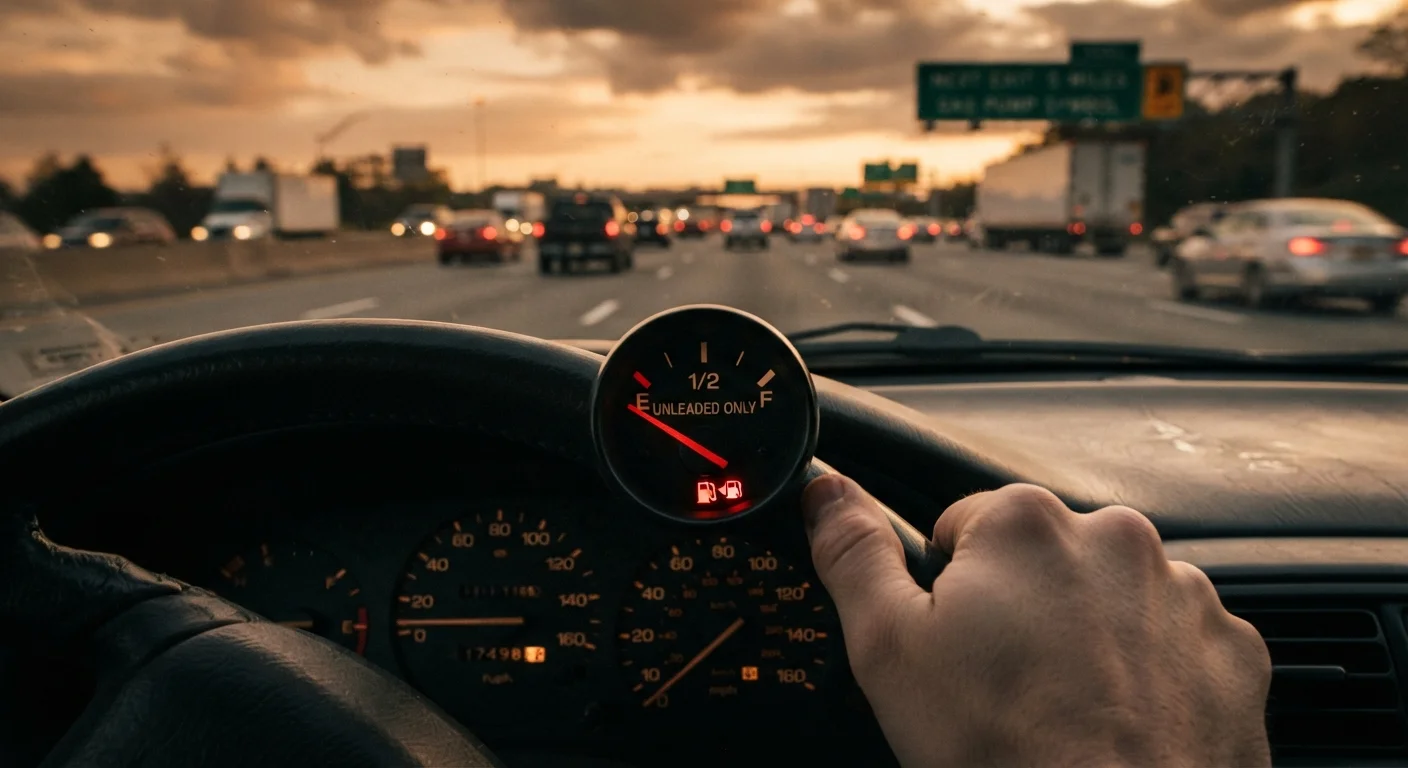
Photo credit: FindersGroove.com | Discover Important Information
From coasting in neutral to idling to warm up the engine—separate fuel-saving fact from fiction with evidence-based explanations.
Key Takeaways
- Coasting in neutral does not save fuel in modern fuel-injected vehicles.
- Idling to warm up your engine is unnecessary for most cars built after the mid-1990s.
- Premium fuel offers no efficiency benefit in engines designed for regular-grade gasoline.
- Slightly underinflated tires increase rolling resistance and reduce fuel economy noticeably.
- Air conditioning's fuel cost depends heavily on speed - the calculus changes above highway speeds.
Why Fuel Economy Myths Persist
Fuel efficiency myths tend to stick around because they contain a sliver of outdated truth. Many originated in the carburetor era - before electronic fuel injection, engine management computers, and modern emissions systems became standard. Driving habits that genuinely helped in a 1975 vehicle can actually hurt efficiency in a 2005 or newer one.
The result is that well-meaning drivers follow routines that either do nothing or actively cost them money at the pump. Understanding why the correct behavior works - not just what to do - is what turns a tip into a durable driving skill. These habits also interact with broader vehicle health, as explored in our guide on everyday driving habits that quietly wear down your vehicle.
Myth
Coasting in neutral saves fuel because the engine isn't working as hard.
Fact
Modern fuel-injected engines cut fuel delivery entirely when you lift off the throttle in gear, making coasting in gear more efficient than neutral.
This intuition made sense decades ago when carbureted engines would stall if you suddenly cut power. But fuel injection changed everything. When you're in gear and release the accelerator - say, approaching a red light - the engine control unit (ECU) recognizes the deceleration and stops injecting fuel altogether. The vehicle's momentum keeps the drivetrain spinning, and the engine runs on nothing.
Drop into neutral, and the ECU must inject a small amount of fuel just to keep the engine idling. That idle fuel adds up. Staying in gear and letting engine braking do the work is almost always the more efficient choice on a modern vehicle.
Myth
You need to idle for several minutes in winter to warm up your engine before driving.
Fact
Prolonged idling wastes fuel and is unnecessary for fuel-injected engines, which warm up faster under light driving load.
Extended warm-up idling is a habit left over from the carburetor era, when cold engines genuinely needed time to stabilize the air-fuel mixture. Today's electronically managed engines reach operating temperature more quickly when driven - gently - than when sitting still.
Idling burns fuel at zero miles per gallon by definition, and it prolongs the time your engine runs rich (using extra fuel) before the oxygen sensors fully activate. A brief 30-second idle to allow oil to circulate is reasonable in very cold conditions; anything beyond that is fuel down the drain. Note that if your vehicle requires a specific warm-up procedure, always defer to your owner's manual.
Myth
Using premium fuel in a car designed for regular will improve performance and efficiency.
Fact
Premium fuel provides no measurable benefit - in fuel economy or performance - in engines calibrated for regular-grade gasoline.
Premium fuel has a higher octane rating, which resists engine knock under high compression. Engines designed for it - turbocharged or high-performance motors - genuinely need that resistance. But engines built for regular-grade fuel are tuned to a lower compression ratio. Pouring in premium doesn't make those engines burn fuel more completely or produce more power.
You'll simply spend more per gallon for identical output. The inverse is also worth knowing: using regular fuel in an engine that requires premium can allow knock under load and may reduce efficiency or cause long-term wear. Always follow the grade specified - not suggested - in your owner's manual. For more on how maintenance choices affect engine health, see why skipping oil changes costs more than it saves.
Myth
Tire pressure doesn't make a meaningful difference in fuel consumption.
Fact
Underinflated tires increase rolling resistance, and the U.S. Department of Energy estimates fuel economy can drop by around 0.2% for every 1 PSI drop below the recommended pressure.
When a tire is underinflated, more of its sidewall flexes with each rotation. That flexing generates heat and wastes energy that would otherwise move the vehicle forward. The effect compounds quickly across four tires and thousands of daily rotations.
Tires lose roughly 1 PSI per month naturally, and temperature swings accelerate the process - pressure drops about 1 PSI for every 10°F decrease in ambient temperature. Checking pressure monthly and before long trips is one of the cheapest, easiest fuel-economy habits available. Use the pressure listed on the door jamb sticker, not the maximum printed on the tire sidewall itself.
Myth
It's always more fuel-efficient to roll down windows than run the air conditioning.
Fact
At highway speeds, open windows create enough aerodynamic drag that air conditioning is often the more efficient choice.
At low city speeds - roughly under 45 mph - open windows add minimal drag and AC represents a real compressor load on the engine, so windows-down typically wins. But the equation flips at highway speeds, where open windows significantly disrupt airflow and increase drag. Research from organizations like the Society of Automotive Engineers has found that AC's fuel penalty can be smaller than the aerodynamic penalty at sustained highway speeds.
The practical takeaway: in stop-and-go traffic, prefer windows down. On the freeway, using AC at a moderate setting is likely comparable or better. Either way, parking in shade and using a sunshade reduces cabin heat, lowering how hard the AC has to work regardless of speed.
Putting the Facts Into Practice
Correcting these myths doesn't require a mechanical background - it requires awareness of how a modern engine actually responds to your inputs. A few concrete adjustments make the biggest difference:
- Anticipate stops early and decelerate in gear rather than shifting to neutral or braking hard.
- Skip the long idle warm-up and drive away gently within 30 seconds of starting.
- Check tire pressure monthly, not just when a warning light appears - by then you've already lost efficiency.
- Match your fuel grade to what the manufacturer specifies, not what marketing suggests.
- Adjust your AC strategy by context - city traffic favors windows down; highway travel often favors moderate AC.
These aren't dramatic overhauls. They're small calibrations that compound over thousands of miles. For more on how daily choices affect your vehicle's long-term cost, see habits that quietly shorten your car's lifespan.
~0.2%
Fuel economy lost per 1 PSI underinflation
According to the U.S. Department of Energy, keeping tires at the correct pressure is one of the simplest fuel-saving steps available.
0 MPG
Fuel economy while idling
Any time a vehicle idles - warming up, waiting in a drive-through - it burns fuel while covering zero distance, making idling one of the most direct fuel wastes in daily driving.

Author
Autos & Driving Editorial Team
Autos & Driving Editorial Team is the collective byline for our editorial team and contributor network. Articles published under this byline or an editorial pen name are researched, written, and reviewed according to our editorial standards for clarity, consistency, and independence before publication.
View all articles →