
Everything Your Car Dashboard Is Trying to Tell You
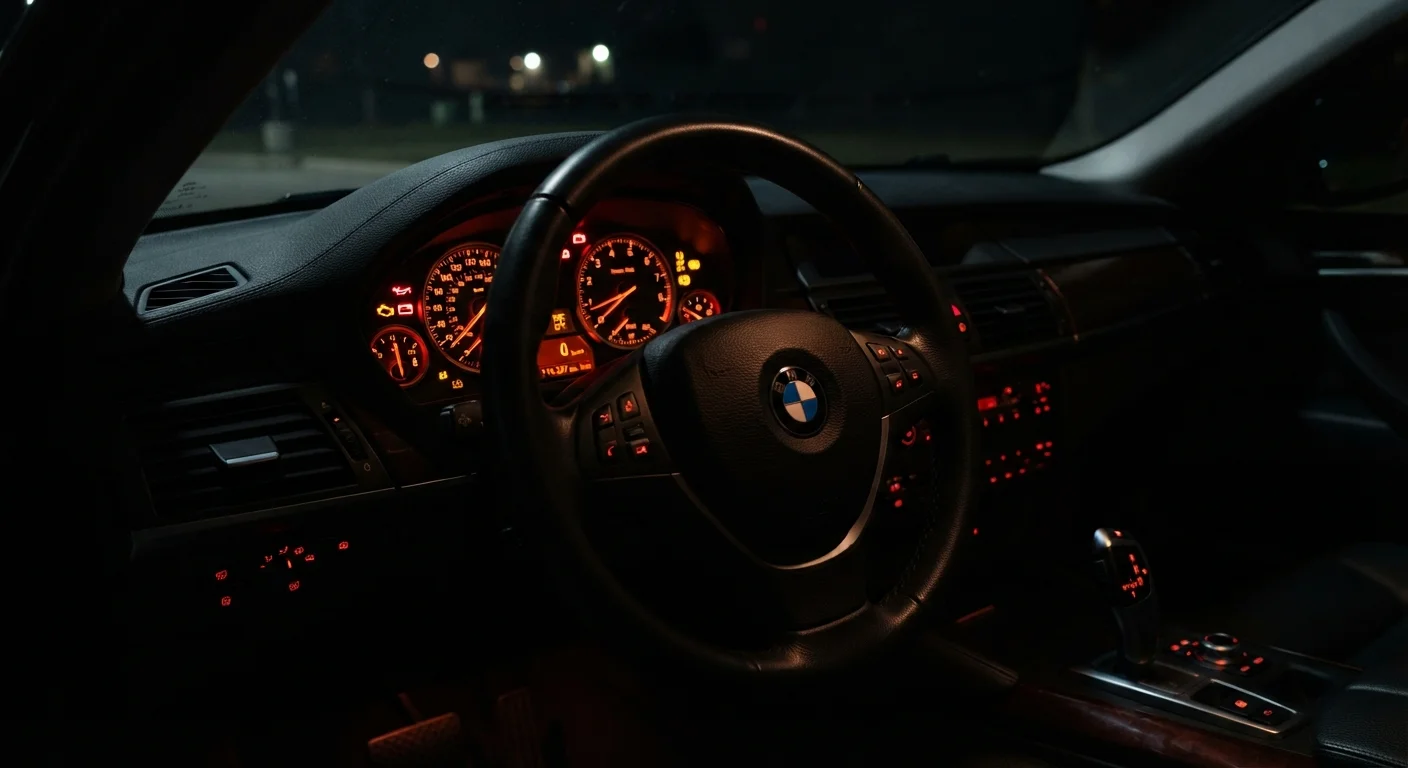
Photo credit: FindersGroove.com | Discover Important Information
In this article
Warning lights, gauges, and symbols decoded. Learn what your dashboard indicators mean and which ones need immediate attention.
The Color-Code System: What Each Hue Means
Your dashboard uses a traffic-light logic that most drivers never formally learn. Once you understand the color hierarchy, you can instantly judge how urgently any light demands attention.
- Red - Stop or act immediately. Red lights signal conditions that can cause engine damage, safety failure, or both within minutes. Oil pressure loss and overheating are the most critical examples.
- Amber or Yellow - Attention required soon. Something is outside normal parameters, but you typically have time to drive safely to a mechanic. The check engine light and TPMS warning fall here.
- Green or Blue - Informational. These confirm a system is active (high beams, turn signals, cruise control). No action is needed beyond awareness.
Think of red as a fire alarm and amber as a smoke detector in another room - both matter, but they demand different speeds of response. Ignoring a red light, even briefly, risks turning a minor repair into a major one. See our maintenance and upkeep hub for guidance on keeping systems healthy before warnings appear.
| Warning light colors used | Red, amber/yellow, green, blue |
| Red light urgency | Stop safely as soon as possible |
| TPMS mandate (US) | Required on all new vehicles since 2008 (NHTSA Federal Motor Vehicle Safety Standard No. 138) |
| OBD-II standard applies to | All US vehicles sold after 1996 (US EPA and CARB mandate) |
| Check engine light causes | Hundreds of possible fault codes |
| Typical oil pressure gauge normal range | 25-65 PSI at operating temperature (General mechanical guidance; consult your owner's manual) |
Critical Red Lights: Act Without Delay
These indicators mean pull over safely as soon as traffic allows and shut off the engine before calling for assistance.
Oil Pressure Warning
Looks like an old-fashioned oil can. This light means your engine is not receiving adequate oil pressure - not that you're simply low on oil. Running an engine without pressure causes metal-on-metal contact and can destroy it in minutes. Do not continue driving.
Engine Temperature (Coolant Overheat)
Displays a thermometer submerged in liquid. Overheating can warp cylinder heads - a repair that costs far more than a simple coolant top-up. Turn off the A/C, pull over, and let the engine cool before opening the hood. Never open a hot radiator cap. Our article on checking your fluid levels walks you through coolant inspection at home.
Battery / Charging System
A battery outline with plus and minus symbols. This means the electrical charging system isn't maintaining voltage - your car may stall. Minimize electrical load (A/C, heated seats) and drive directly to a shop.
Your Owner's Manual Is the Best Reference
Dashboard symbols are not fully universal - icon designs and their exact meanings can vary by manufacturer and model year. Your vehicle's owner's manual contains a complete, accurate legend for every light specific to your car. Keep a digital or physical copy accessible. If you've misplaced it, most automakers offer free PDF downloads on their official websites.
Amber Lights and What They're Actually Telling You
Amber lights rarely require you to stop immediately, but they should not be dismissed or postponed indefinitely.
Malfunction Indicator Lamp (MIL)
The technical name for the check engine light. It signals that the vehicle's onboard diagnostic system has detected an issue with the engine, emissions, or related systems. A diagnostic scan tool is needed to read the specific fault code.
Onboard Diagnostics (OBD-II)
A standardized system built into all US vehicles sold after 1996 that monitors engine and emissions performance. When a fault is detected, OBD-II stores a trouble code that a mechanic or code reader can retrieve.
Idiot Light
A colloquial term for simple warning lamps (as opposed to analog gauges) that give a binary on/off alert rather than a continuous reading. Modern dashboards use both lights and gauges.
TPMS
Tire Pressure Monitoring System. A federally mandated system on US vehicles from 2008 onward that alerts the driver when one or more tires drop significantly below the recommended pressure.
Check Engine Light (MIL)
This is the most misunderstood light on any dashboard. It could indicate anything from a loose gas cap to a misfiring cylinder. A steady light means get it diagnosed soon. A flashing check engine light signals an active misfire that can damage the catalytic converter - reduce speed and seek service the same day.
TPMS Warning
A cross-section of a tire with an exclamation mark. At least one tire has dropped below safe pressure. Check all four tires with a gauge and inflate to the pressure listed on the sticker inside your driver's door jamb - not the number on the tire sidewall.
Traction Control / Stability Control
A car with squiggly lines beneath it. If this flashes briefly, the system is actively correcting a skid - that's normal. If it stays on, the system may be disabled or faulty. Driving with it off increases your risk in wet or icy conditions, which connects directly to the habits covered in our defensive driving guide.
1 in 3
Drivers ignore a dashboard warning light
A CarMD Vehicle Health Index report found a significant share of US drivers continue driving without addressing illuminated warning lights.
2008
Year TPMS became mandatory in the US
The NHTSA's FMVSS No. 138 required all new passenger vehicles to include a Tire Pressure Monitoring System from model year 2008 onward.
Reading Your Analog Gauges
Gauges provide continuous data rather than binary alerts. Two matter most for day-to-day monitoring.
Temperature Gauge
Runs from cold (C) to hot (H). A needle sitting in the middle third is normal after warm-up. Creeping toward H warrants immediate attention. A cold reading after several miles of driving may indicate a stuck-open thermostat - worth investigating.
Fuel Gauge
Simple but frequently ignored. Regularly running a tank to near-empty can pull sediment from the bottom of the tank through the fuel system and strain the fuel pump, which is often cooled by the fuel surrounding it. Keeping your tank above a quarter is a low-effort habit that protects an expensive component. Pair this awareness with everyday driving habits that quietly wear down your vehicle for a fuller picture of preventive care.
This article provides general vehicle information for educational purposes. Always consult a qualified mechanic for diagnosis and repair of specific vehicle issues.

Author
Autos & Driving Editorial Team
Autos & Driving Editorial Team is the collective byline for our editorial team and contributor network. Articles published under this byline or an editorial pen name are researched, written, and reviewed according to our editorial standards for clarity, consistency, and independence before publication.
View all articles →