
Pet Hydration Myths That Could Actually Harm Your Animal
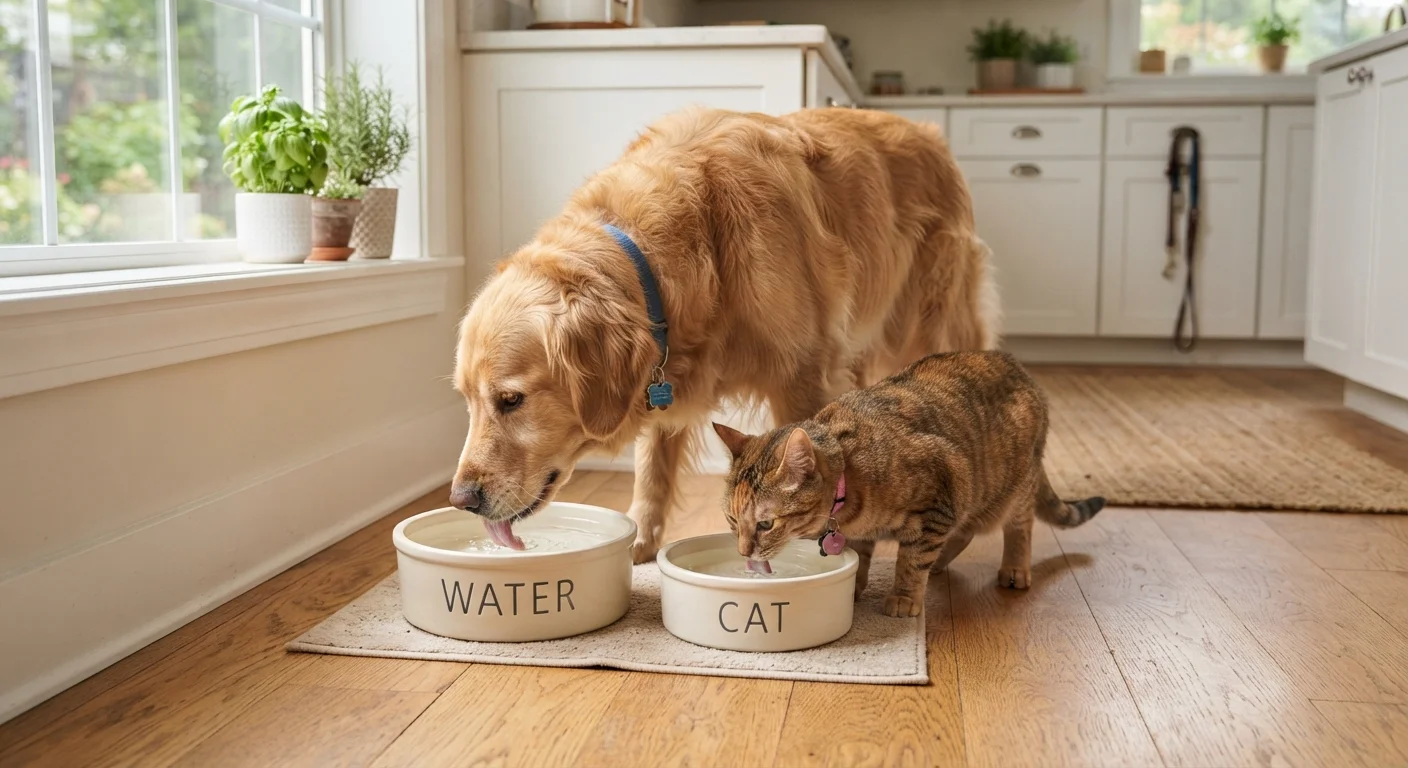
Photo credit: FindersGroove.com | Discover Important Information
From 'cats don't need much water' to 'dogs self-regulate fine', common hydration beliefs are often dangerously wrong. Here's what the evidence says.
Key Takeaways
- Cats are biologically prone to low thirst drive, making adequate water intake a real and common challenge.
- Dogs do not always self-regulate water intake reliably - dehydration and over-drinking are both genuine risks.
- Wet food contributes significant moisture, but it alone does not guarantee a pet meets daily hydration needs.
- Dehydration signs in pets are often subtle and can be missed until the animal is already compromised.
- Always consult a veterinarian if you're concerned about your pet's drinking habits or hydration status.
Why Pet Hydration Myths Are So Persistent
Hydration sounds simple - fill the bowl, let your pet drink. But the gap between what most owners believe about their pet's water needs and what veterinary science actually supports is surprisingly wide. These myths aren't just harmless misconceptions; some can quietly contribute to kidney disease, urinary tract problems, and heat-related illness in dogs and cats alike.
Part of the problem is that pets can't tell us when they're thirsty, and early dehydration rarely looks dramatic. That invisibility allows dangerous assumptions to go unchallenged for years. This article tackles the most widespread hydration myths - and replaces them with clear, evidence-grounded guidance. For a broader look at how misinformation shapes pet care, see our guide to persistent pet health myths.
Myth
Cats don't really need much water - they evolved in dry environments and handle low intake just fine.
Fact
Cats do have a naturally low thirst drive, but that makes ensuring adequate water intake more important, not less. Chronic low intake is a leading contributor to feline kidney disease and urinary issues.
It's true that domestic cats descended from desert-dwelling ancestors who obtained most of their moisture from prey. But that evolutionary history means their thirst perception is blunted - they often won't drink enough even when they need to. Veterinary research consistently links insufficient water consumption in cats to chronic kidney disease, feline idiopathic cystitis, and urolithiasis (bladder stones). Owners should actively encourage drinking rather than assuming their cat will manage independently.
Myth
Dogs self-regulate their water intake perfectly - if they're thirsty, they'll drink.
Fact
Dogs can and do become dehydrated without seeking water, and some dogs drink excessively due to underlying health conditions that require veterinary attention.
While dogs are generally better at signaling thirst than cats, self-regulation isn't foolproof. In hot weather, during exercise, or when unwell, dogs can fall behind on fluid needs faster than they compensate. Conversely, excessive drinking (polydipsia) can be an early sign of conditions like diabetes, Cushing's disease, or kidney dysfunction. Monitoring how much your dog typically drinks gives you a meaningful baseline - any notable increase or decrease warrants a vet conversation.
Myth
Wet food gives pets all the water they need - a separate water bowl isn't necessary.
Fact
Wet food significantly boosts moisture intake, but it doesn't eliminate the need for constant access to fresh drinking water.
Wet food can be a valuable hydration tool - its high moisture content (roughly 70-80%) genuinely contributes to daily fluid intake. However, individual pets vary in how much food they eat, their activity level, ambient temperature, and baseline health status. Relying solely on wet food without a water bowl creates unnecessary risk. Fresh water should always be available, regardless of diet type. Think of wet food as a supplement to hydration, not a replacement for it.
Myth
Clear urine means your pet is perfectly hydrated - darker urine is the only warning sign.
Fact
Urine color is one indicator among many, and it can be misleading. Consistently very pale or colorless urine may actually signal excessive water intake or a health problem.
Moderately pale yellow urine generally reflects good hydration in dogs and cats. Very dark, concentrated urine can indicate dehydration - but very pale or completely colorless urine might point to conditions like diabetes insipidus or kidney disease affecting concentration ability. Urine color should be considered alongside other signs: gum moisture, skin elasticity, energy level, and your pet's normal drinking patterns. If you notice persistent changes in urine color or frequency, a veterinary urine analysis provides far more information than visual assessment alone.
Myth
You only need to worry about hydration in summer - cooler months mean no risk.
Fact
Pets can become dehydrated in any season. Winter heating systems, indoor activity levels, and illness all contribute to fluid loss year-round.
Seasonal thinking around hydration is understandable but incomplete. Central heating in winter reduces indoor humidity significantly, which can increase insensible fluid loss in pets. Illness - including vomiting, diarrhea, or respiratory infections - depletes fluids rapidly regardless of outside temperature. Older pets and those with chronic health conditions face hydration challenges throughout the year. Maintaining consistent water access and monitoring habits should be a year-round priority, not a warm-weather afterthought.
Recognizing Dehydration and Taking Action
Knowing the myths is only half the job. The other half is learning to spot when something is actually wrong. Mild dehydration in pets often presents as slightly sunken eyes, dry or tacky gums, reduced skin elasticity (the skin tent test - gently pinching the scruff and watching how quickly it snaps back), and low energy. Severe dehydration is a veterinary emergency.
When to Contact a Veterinarian Immediately
If your pet shows signs of severe dehydration - extreme lethargy, sunken eyes, very dry gums, collapse, or loss of skin elasticity - treat this as an emergency and seek veterinary care without delay. Do not attempt to rehydrate a severely dehydrated animal at home with water alone, as this can be insufficient or, in some cases, cause complications. Rapid fluid replacement is a medical procedure requiring professional assessment.
Practical steps that genuinely help include placing multiple water stations around the home, using wide shallow bowls (cats, in particular, dislike whisker fatigue from deep narrow bowls), and refreshing water at least once daily. Some pets drink more from a moving water source - pet water fountains can help, though they require regular cleaning to prevent bacterial buildup.
Diet choices matter too. Wet food typically contains around 70-80% moisture compared to around 10% in dry kibble. Incorporating some wet food can supplement hydration, though it shouldn't be treated as a complete substitute for fresh water access. If you're evaluating your pet's diet more broadly, our overview of raw diet claims and evidence covers related nutritional considerations. Good hydration habits also support dental health - another often-overlooked area explored in our article on common dental mistakes in dogs and cats.
This article is for general informational purposes only and is not a substitute for veterinary advice. If you have concerns about your pet's hydration, drinking behavior, or overall health, consult a licensed veterinarian.

Author
Pets & Animal Life Editorial Team
Pets & Animal Life Editorial Team is the collective byline for our editorial team and contributor network. Articles published under this byline or an editorial pen name are researched, written, and reviewed according to our editorial standards for clarity, consistency, and independence before publication.
View all articles →