
Common Pet-Proofing Oversights That New Owners Miss
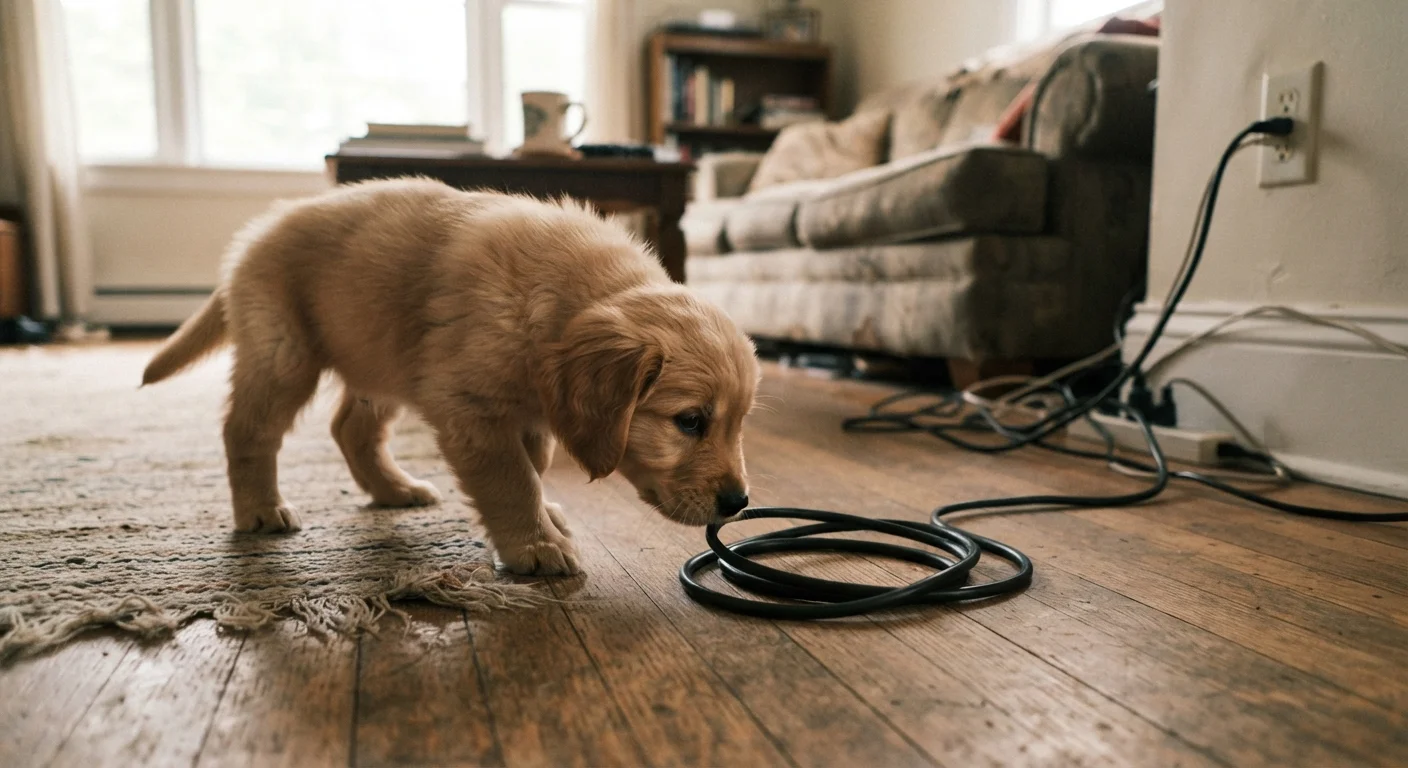
Photo credit: FindersGroove.com | Discover Important Information
In this article
Electrical cords, toxic houseplants, and unsecured bins are just the beginning. Discover the hazards most first-time owners overlook when bringing a pet home.
Key Takeaways
- Common household plants, cleaning products, and certain human foods can be toxic to pets.
- Unsecured trash bins, cords, and small objects are among the most frequently overlooked hazards.
- Pet-proofing is an ongoing process that evolves as your pet grows and explores new areas.
- Vertical space matters - cats and climbing dogs can reach counters, shelves, and cabinets.
- A proactive room-by-room walkthrough from your pet's perspective reveals hidden dangers quickly.
Why Pet-Proofing Is Harder Than It Looks
Bringing a pet home tends to prompt a flurry of purchasing - food, a bed, toys, a carrier. What gets less attention is the physical environment itself. Most homes weren't designed with animal safety in mind, and the hazards aren't always obvious until something goes wrong.
The challenge is perspective. A new owner sees a tidy living room; a puppy or kitten sees a floor covered in chewable cords, sniffable bags, and interesting gaps to squeeze into. Effective pet-proofing means learning to see your home the way your animal does - and that requires a deliberate, room-by-room walkthrough before your pet ever sets paw inside.
For a broader foundation of first-week preparation, the guide to your first week with a new pet covers what to expect and how to get ahead of common stress points.
The Oversights That Catch New Owners Off Guard
Most pet-proofing advice covers the obvious basics: put away human food, secure sharp objects. But several common hazards consistently fly under the radar - especially for first-time owners managing the excitement of a new animal alongside everyday life.
Overlooking toxic houseplants already in the home before the pet arrived.
Why it happens: Many popular houseplants - like pothos, lilies, and philodendrons - are so common that owners don't think of them as hazards. New pet owners are often focused on food and gear rather than décor.
Leaving electrical cords, chargers, and cables accessible to curious pets.
Why it happens: Cords blend into the background of daily life. Puppies and kittens especially chew on anything within reach, and owners rarely anticipate this until damage - or injury - occurs.
Assuming a lidded trash bin is secure enough.
Why it happens: Standard swing-top or step-pedal bins can be nudged open easily by a determined dog. Owners often don't discover this until they return home to a scattered mess - or worse, an ill pet.
Ignoring vertical space when assessing hazards for cats.
Why it happens: Pet-proofing checklists tend to focus on floor level, which suits dogs well. Cat owners can underestimate how high their pet can actually jump and what they'll find once there.
Leaving small objects - buttons, hair ties, batteries - within a pet's reach.
Why it happens: These items are easy to drop and easy to forget. They don't look dangerous to a human, but they're exactly the right size for a pet to swallow.
Not securing interior doors, cabinets, and balconies from day one.
Why it happens: New owners focus on the main living area and overlook laundry rooms, bathrooms, and outdoor access points. A pet can access a hazardous space in seconds during an unguarded moment.
These mistakes share a common thread: they involve items or spaces that feel harmless because they're familiar. The goal isn't to transform your home into a sterile environment - it's to make thoughtful adjustments that protect your pet without upending your routine.
Contact a Vet Immediately for Suspected Ingestion
If you believe your pet has swallowed a toxic substance - including a plant, cleaning product, or human food - contact your veterinarian or an animal poison control hotline right away. Do not wait for symptoms to appear. Time is critical in poisoning cases, and early intervention typically leads to better outcomes.
Building a Habit of Ongoing Safety
Pet-proofing isn't a one-time event. As your pet grows, their reach, curiosity, and capabilities change. A kitten who couldn't jump to the counter at eight weeks may clear it easily at six months. A dog who ignored the trash bin as a puppy may develop new interest in it as an adult.
Top 5
Most common pet poisoning sources
According to the ASPCA Animal Poison Control Center, human medications, foods, and household plants consistently rank among the top reported pet poisoning cases each year.
~50%
Pet injury incidents occur at home
Veterinary emergency data broadly suggests that a large proportion of accidental pet injuries occur inside the home, where owners assume the environment is already safe.
Build periodic safety reviews into your routine - especially after rearranging furniture, bringing new plants or items into the home, or introducing a second pet. The monthly pet wellness checklist is a useful companion tool for staying on top of both health and environment over time.
For a more detailed setup guide, setting up a safe, comfortable space for a new pet walks through how to create a welcoming, hazard-free home zone from the start. And once your space is secure, the first-year vet care checklist ensures your pet's health needs are just as well covered as their environment.
This article is for general informational purposes only and is not a substitute for professional veterinary advice. Always consult a licensed veterinarian with concerns about your pet's health or safety.

Author
Pets & Animal Life Editorial Team
Pets & Animal Life Editorial Team is the collective byline for our editorial team and contributor network. Articles published under this byline or an editorial pen name are researched, written, and reviewed according to our editorial standards for clarity, consistency, and independence before publication.
View all articles →