
Debt Avalanche vs. Debt Snowball: Two Repayment Strategies Compared
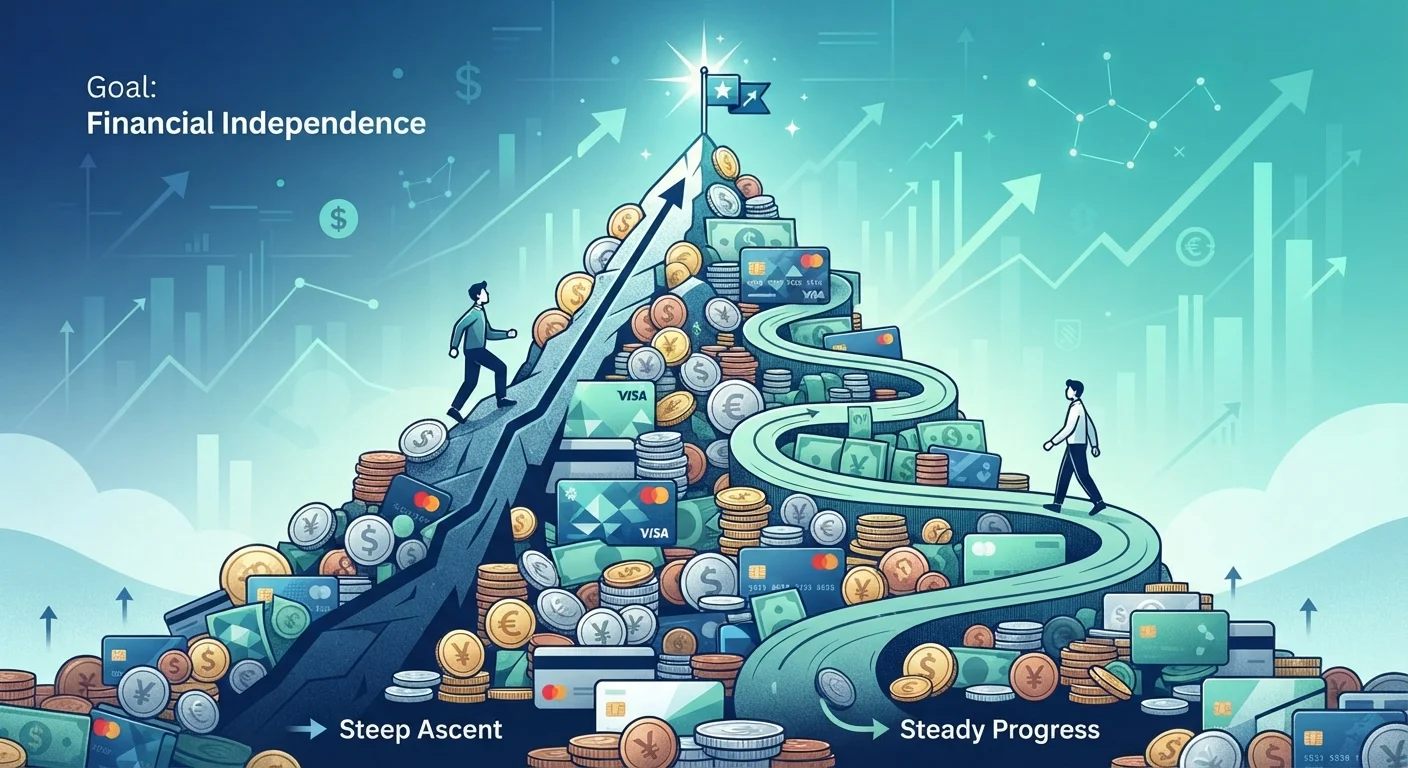
Photo credit: FindersGroove.com | Discover Important Information
In this article
A clear side-by-side look at how the avalanche and snowball methods work, and which situations each tends to suit best.
Key Takeaways
- The debt avalanche targets the highest-interest debt first, minimizing total interest paid over time.
- The debt snowball pays off the smallest balance first, building momentum through quick wins.
- Neither method requires extra income - both work by redirecting freed-up minimum payments.
- Research suggests the snowball method may improve follow-through for some people despite costing more interest.
- The best strategy is whichever one you can realistically stick to for the long term.
How Each Method Works
Both strategies share the same mechanical foundation: you make minimum payments on every debt, then direct any extra money toward one target debt at a time. Where they differ is which debt gets that extra firepower first.
Debt Avalanche: You rank your debts by interest rate - highest to lowest - and throw extra payments at the top-rate debt first. Once that's paid off, you roll its full payment amount into attacking the next highest-rate debt. This cascade continues until all debts are cleared.
Debt Snowball: You rank your debts by outstanding balance - smallest to largest - and pay aggressively toward the smallest debt first, regardless of interest rate. Each eliminated balance frees up a payment you redirect to the next-smallest debt, creating a growing "snowball" of payment power.
The core mechanics are identical - only the prioritization order changes. Both methods assume you're making at least the minimum payment on every account to avoid late fees and credit score damage. For a step-by-step framework on structuring those payments, see our debt repayment planning walkthrough.
| Criterion | Debt Avalanche | Debt Snowball |
|---|---|---|
| Payment priority | Highest interest rate first | Smallest balance first |
| Total interest paid | Lower (mathematically optimal) | Higher (varies by debt mix) |
| Time to first payoff | Longer (if high-rate debt is large) | Shorter (smallest balance clears fast) |
| Motivational structure | Logic and long-term savings | Quick wins and visible momentum |
| Best debt structure fit | Wide spread in interest rates | Similar rates, varied balance sizes |
| Behavioral research support | Optimal for disciplined planners | May improve completion rates |
The Real Cost Difference
The avalanche method wins on pure math. Because interest compounds on outstanding balances, eliminating high-rate debt faster reduces the total interest accrued across your entire debt load. Depending on your debt mix, the savings can be substantial - though the actual figure varies considerably based on balances, rates, and payment amounts.
The snowball method typically costs more in total interest, sometimes meaningfully so. However, a key insight from behavioral research - including work cited by the CFPB - is that people who feel early progress are more likely to stay engaged with a repayment plan. A strategy that costs slightly more on paper but gets completed beats a cheaper strategy that gets abandoned.
~$300B+
US revolving consumer debt outstanding
The Federal Reserve reports hundreds of billions in revolving credit balances, underscoring how common high-interest debt is among American households.
20%+
Average credit card APR in recent years
Federal Reserve data has shown average credit card interest rates climbing above 20%, making high-rate debt a significant driver of total repayment cost.
Higher completion
Snowball method follow-through
Behavioral finance research has found that eliminating smaller accounts first can improve the likelihood of staying committed to a debt repayment plan.
It's also worth noting that the cost gap between the two methods narrows considerably when your debts carry similar interest rates. If your balances range between 18% and 22% APR, the avalanche advantage shrinks - but if one balance sits at 7% and another at 27%, the avalanche delivers a more dramatic saving.
Be cautious about common misconceptions here. Our piece on debt repayment myths covers several assumptions that can lead people to choose the wrong approach for the wrong reasons.
Choosing Between Them - and What Else to Consider
The honest answer is that the best method is the one you'll actually finish. That said, a few practical factors can help you decide:
- Motivation style: If you need visible proof of progress to stay on track, the snowball's early payoffs are valuable. If you're energized by knowing you're making the mathematically sound choice, the avalanche may keep you engaged without needing quick wins.
- Debt structure: Review your interest rates. A single outlier - say, a 29% APR payday loan or store card - makes a strong case for the avalanche regardless of your personality type.
- Timeline pressure: If you have a financial goal with a deadline (buying a home, building an emergency fund), minimizing total interest with the avalanche could meaningfully accelerate your timeline.
These two strategies aren't the only tools available. If managing multiple accounts feels unworkable, debt consolidation is worth understanding - though it comes with its own trade-offs. Some people in more difficult situations also work with a credit counselling agency through a debt management plan.
Whichever path you choose, consistent follow-through matters more than optimization. Be aware of the common patterns that stall repayment progress so you can avoid them. And if you want the fuller context of how debt interacts with your credit health, the complete picture of debt and credit is a useful companion resource.
This article is for general informational and educational purposes only and does not constitute personalised financial advice. Consult a licensed financial professional for guidance specific to your situation.

Author
Money & Finance Editorial Team
Money & Finance Editorial Team is the collective byline for our editorial team and contributor network. Articles published under this byline or an editorial pen name are researched, written, and reviewed according to our editorial standards for clarity, consistency, and independence before publication.
View all articles →