
What 'Balanced Diet' Actually Means - and What It Doesn't
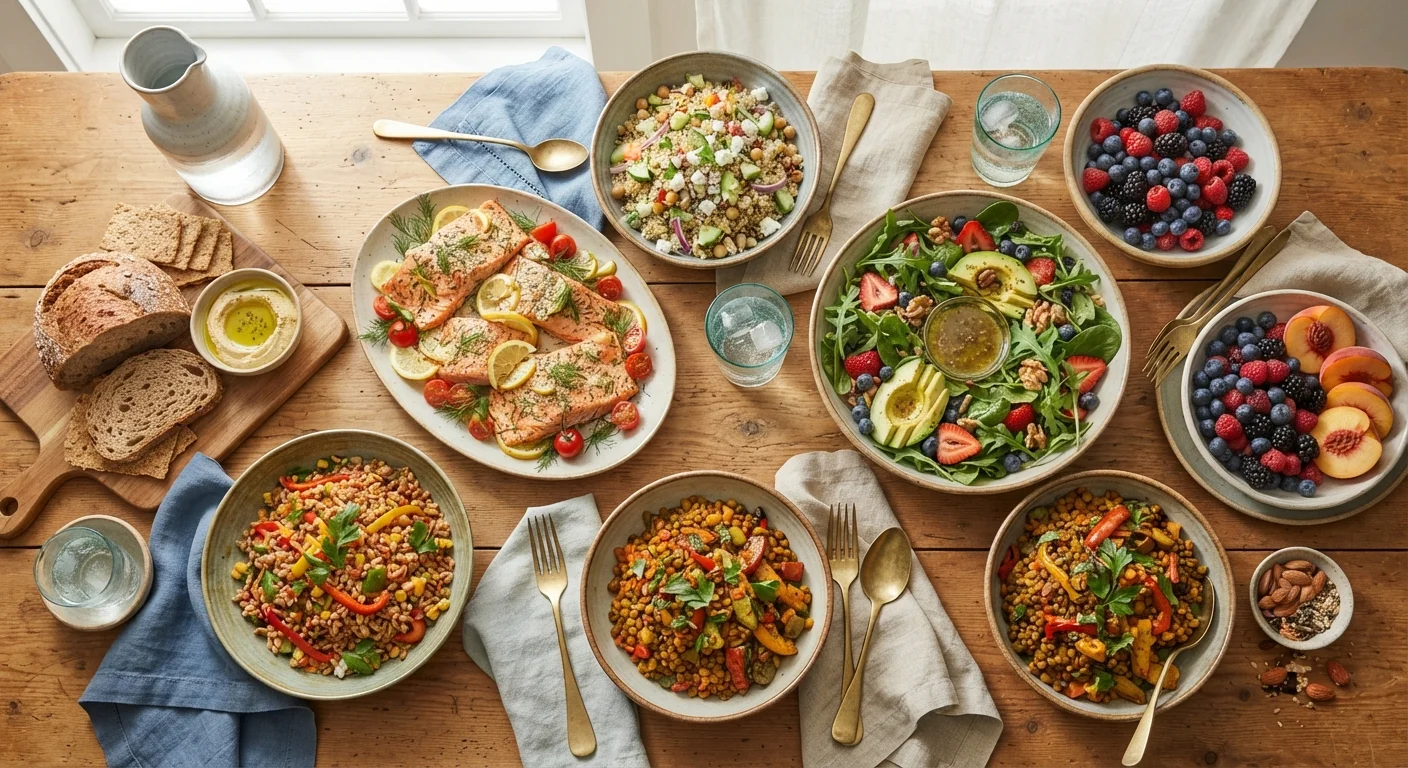
Photo credit: FindersGroove.com | Discover Important Information
In this article
The phrase 'balanced diet' gets thrown around constantly. Here's what nutrition science means by it and why it looks different for different people.
Key Takeaways
- A balanced diet is about overall eating patterns over time, not any single meal or food.
- Variety across food groups is the most consistent feature of a nutritionally sound diet.
- Balance is personal - individual needs differ based on age, activity, and health status.
- No food group is inherently 'bad'; proportion and frequency matter more than elimination.
- Ultra-processed foods crowd out nutrient-dense options when eaten in excess - context matters.
Why the Phrase Gets Murky So Fast
"Balanced diet" appears on cereal boxes, in doctor's offices, and across social media - often meaning something slightly different in each context. Wellness influencers may use it to mean low-carb. A cereal brand may use it to justify added sugar. That definitional slippage is a genuine problem, because it leaves people with a vague instruction and no clear map for following it.
Nutrition science is more specific. A balanced diet, in evidence-based terms, is one that consistently supplies sufficient energy, macronutrients (carbohydrates, proteins, and fats), and micronutrients (vitamins and minerals) to support how your body actually functions day to day. For a deeper look at what those terms mean in practice, see what macros and micros actually do.
The key word in that definition is consistently. Balance is a pattern - measured over weeks, not meals. This distinction matters enormously for reducing the anxiety many people feel when a single food choice doesn't seem 'healthy.'
Balance Is Evaluated Over Time, Not Per Meal
Nutritionists and dietitians typically assess dietary quality by looking at what someone eats over several days or weeks - not whether each meal is 'complete.' This framing makes it much easier to eat flexibly without anxiety. A lunch that's mostly carbohydrates is fine if the rest of the day and week includes adequate protein, fats, and micronutrients.
What Balance Actually Looks Like in Practice
Across major evidence-based dietary guidelines - including those from the World Health Organization and the USDA - a few features appear repeatedly:
- Variety: Eating a wide range of foods across and within food groups reduces the risk of nutritional gaps. No single food provides everything.
- Mostly whole or minimally processed foods: Vegetables, fruits, legumes, whole grains, nuts, seeds, and quality protein sources supply more nutrients per calorie than heavily processed alternatives.
- Moderation with added sugars, sodium, and saturated fat: These aren't forbidden - but dietary guidance consistently points to limiting excess.
- Adequate calories: Undereating chronically is as much a nutritional imbalance as overeating.
What balance does not require is eliminating food groups, following a rigid meal plan, or labeling foods as good or bad. Those frameworks often create stress without improving actual nutritional outcomes.
A Simple Starting Point for More Variety
If the concept of 'balance' feels abstract, try a practical proxy: aim to include at least three different colors of vegetables or fruit across your meals each day. Color variety loosely reflects micronutrient variety, making it an easy, low-stress shortcut. You can also explore nutrition vocabulary to better understand what you're reading on labels and in dietary guidelines.
Balance Is Genuinely Personal
Here's something nutrition advice rarely says clearly enough: your balanced diet won't look identical to someone else's - and that's fine. A few variables that shift individual needs:
- Age: Calcium and vitamin D needs are higher during adolescence and older adulthood. Iron needs differ across life stages, particularly for people who menstruate.
- Activity level: Someone training daily has different carbohydrate and protein needs than someone with a sedentary job.
- Health conditions: Conditions like celiac disease, diabetes, or kidney disease can require specific modifications. Anyone managing a health condition should work with a registered dietitian rather than applying general guidelines.
- Cultural food traditions: A Mediterranean pattern, a traditional Japanese diet, or a West African grain-and-legume diet can all be nutritionally balanced. Diversity in eating traditions reflects diversity in ways to meet human nutritional needs.
9 in 10
Americans fall short on vegetables
According to CDC dietary data, approximately 9 in 10 Americans do not meet recommended vegetable intake - making variety one of the most consistent gaps in actual eating patterns.
57%
of US calories from ultra-processed foods
Research published in the BMJ estimated that ultra-processed foods account for more than half of energy intake among US adults, often crowding out more nutrient-dense options.
3+
Distinct eating patterns can all support health
Large dietary studies including PREDIMED and the DASH trial have shown that multiple distinct food patterns - not just one ideal diet - can support cardiovascular and metabolic health outcomes.
This is also why headline nutrition advice - "cut carbs," "go plant-based," "eat like our ancestors" - often falls flat. It flattens real individual variation into a one-size prescription. Many of the most common nutrition claims don't hold up when examined against the evidence.
Common Misconceptions Worth Clearing Up
A few ideas that often travel under the 'balanced diet' banner but don't reflect how nutrition science actually works:
- "Balance means eating equal amounts of everything."
- No. Vegetables and fruits should make up a larger proportion of intake than, say, red meat or refined grains. Balance is about proportion, not equality.
- "One unhealthy meal ruins your balance."
- It doesn't. Dietary patterns are what drive long-term health outcomes, not individual meals. Subtle habits over time have more influence than any single food choice.
- "If it's natural, it belongs in a balanced diet."
- Naturalness doesn't determine nutritional value. And conversely, some minimally processed foods are highly nutritious. Context and quantity are the relevant variables.
If you're trying to build a more varied eating pattern on a tight grocery budget, practical strategies for nutrient-dense eating on a budget can help make that more concrete.
This article is for general informational purposes only and is not a substitute for personalized nutrition or medical advice. For guidance tailored to your health situation, consult a registered dietitian or qualified healthcare professional.
Frequently Asked Questions

Author
Health & Wellness Editorial Team
Health & Wellness Editorial Team is the collective byline for our editorial team and contributor network. Articles published under this byline or an editorial pen name are researched, written, and reviewed according to our editorial standards for clarity, consistency, and independence before publication.
View all articles →