
Group Fitness Classes vs. Solo Training: What to Consider Before Choosing
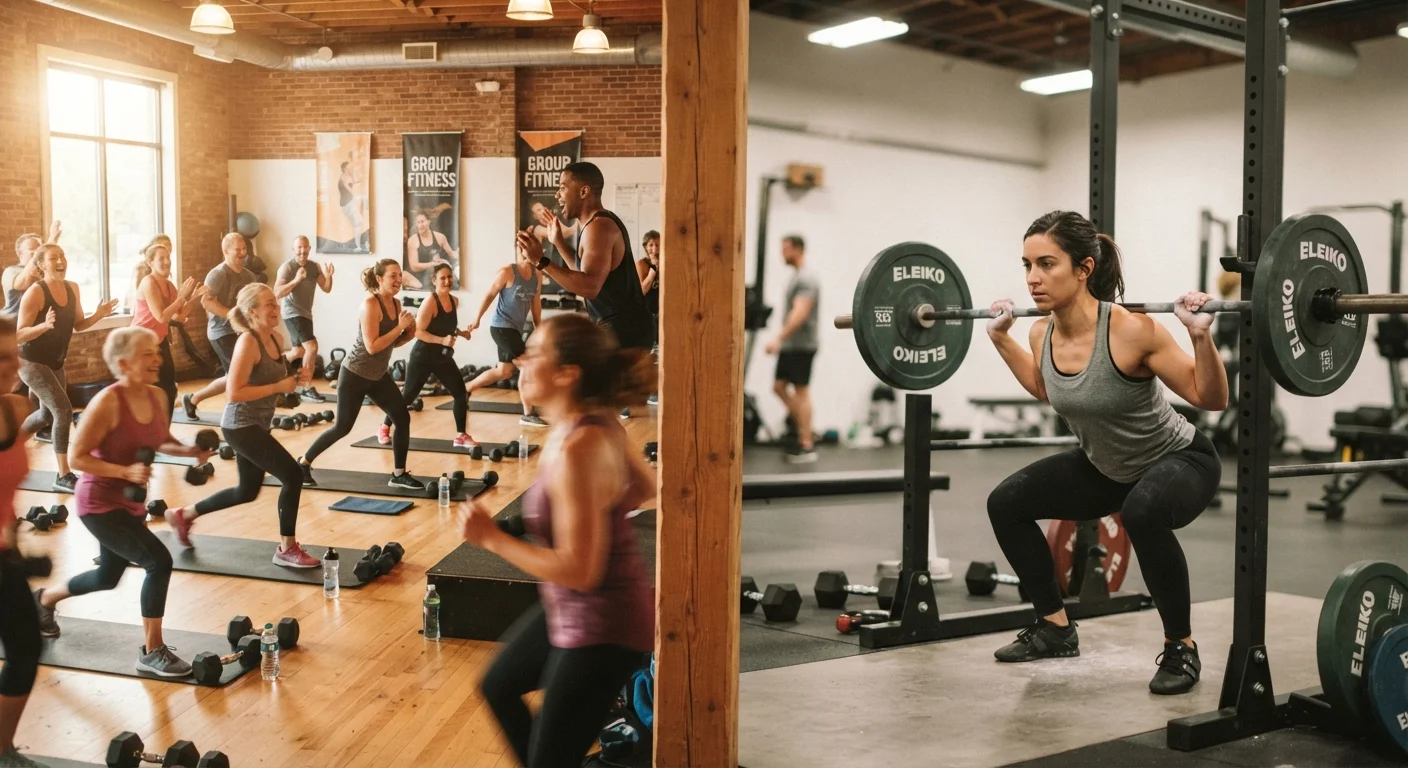
Photo credit: FindersGroove.com | Discover Important Information
In this article
Some people thrive in group settings; others do better alone. Here's a fair comparison to help you figure out which environment works for you.
Key Takeaways
- Group fitness classes offer built-in accountability, social connection, and guided structure that can lower the barrier to showing up.
- Solo training gives you full control over pace, schedule, and programming - essential for those with specific or evolving goals.
- Neither approach is universally superior; consistency matters more than the setting you choose.
- Your personality, budget, and access to facilities are all valid factors when deciding between the two.
- Many people find a hybrid approach - combining both formats - to be the most sustainable long-term strategy.
Why the Environment You Train In Actually Matters
Movement is one of the most researched pillars of overall well-being - but research consistently shows that enjoyment and social context are among the strongest predictors of whether someone keeps exercising long-term. In other words, the best workout isn't the most efficient one on paper; it's the one you actually return to.
If you've been going back and forth between signing up for group classes or building your own solo routine, you're asking the right question. Both formats have real merit, and the answer depends less on fitness trends and more on your specific life. If gym culture itself feels like a barrier, our guide on building a movement habit when you dislike the gym explores low-pressure entry points worth knowing about.
The Case for Group Fitness Classes
Group fitness - whether that's spin, yoga, HIIT, dance cardio, or barre - wraps several psychological advantages into one session. Research in exercise psychology suggests that working out alongside others can increase effort output and time spent exercising, a phenomenon sometimes called the Köhler effect (the tendency to work harder when part of a group than when alone).
- Built-in accountability: A reserved spot and a set class time create external commitment that's harder to skip than a vague intention to exercise.
- Instructor-led structure: You don't need to design your own program - ideal if programming feels overwhelming or you're new to exercise.
- Community: Regular class attendance can build genuine social connections, which supports both mental health and exercise adherence.
- Reduced decision fatigue: Showing up and following along removes the mental load of choosing exercises, sets, and reps.
The trade-offs are real, though. Class schedules may not align with yours, the pace is set for the group rather than for you, and boutique studio costs can add up quickly. Some people also find the high-energy atmosphere motivating - others find it stressful or intimidating.
Try Before You Commit
Many studios and gyms offer free or discounted trial classes before you buy a package. Use these to test whether the format, energy, and community feel right for you - not just whether the workout was hard. Enjoyment is a legitimate and important criterion.
The Case for Solo Training
Training alone offers a degree of autonomy that no group class can fully replicate. You choose the exercises, the intensity, the timing, and the environment - which matters enormously for people with shifting schedules, specific athletic goals, or a preference for introspective movement.
- Full schedule flexibility: No class times to work around. You train when it suits your day.
- Personalized programming: You can pursue specific adaptations - whether that's zone 2 cardio for aerobic base-building or targeted strength work - without being constrained by a group format.
- Pace control: Rest periods, load selection, and exercise order are entirely yours. This is especially valuable as your fitness evolves.
- Lower long-term cost: A basic gym membership or home setup is typically more affordable than recurring class packages.
The challenge with solo training is self-motivation. Without an external structure, it's easier to skip, cut sessions short, or plateau from doing the same comfortable routine repeatedly. Building a well-rounded program takes some knowledge and experimentation.
| Group Fitness Classes | Solo Training | |
|---|---|---|
| Accountability | High - scheduled times, reserved spots | Self-directed - requires internal motivation |
| Schedule flexibility | Limited by class timetables | Fully flexible, train anytime |
| Personalization | Group pace and programming | Fully tailored to your goals |
| Social connection | Built-in community element | Minimal to none |
| Cost | Often higher (studio or class fees) | Generally lower long-term |
| Learning curve | Low - instructor guides everything | Moderate - requires some self-education |
| Best for beginners? | Yes - structured and guided | Depends on comfort with self-direction |
How to Decide - and Why Hybrid Often Wins
Before choosing, consider a few honest questions: Do you tend to cancel on yourself when left to your own devices? Do you feel energized or drained by group environments? Is your schedule predictable enough for fixed class times? What's your realistic monthly budget for fitness?
There's also a compelling middle path. Many people use group classes for certain movement types - say, yoga or cycling - while handling strength or mobility work solo. This hybrid model captures community and structure without surrendering flexibility. For a broader look at how environment affects your training experience, weighing home workouts against gym sessions adds another useful layer to this decision.
~95%
Dropout rate within one year of starting exercise
Research in exercise adherence consistently shows that nearly half to the vast majority of new exercisers discontinue within months - highlighting that sustainability, not intensity, is the primary challenge.
2x
Longer exercise duration in social settings
Studies on group exercise dynamics suggest people often exercise longer and at higher effort when working out alongside others compared to training in isolation.
This article is for general informational purposes only and does not constitute medical or fitness advice. Speak with a qualified healthcare or fitness professional before beginning any new exercise program, especially if you have existing health conditions.

Author
Health & Wellness Editorial Team
Health & Wellness Editorial Team is the collective byline for our editorial team and contributor network. Articles published under this byline or an editorial pen name are researched, written, and reviewed according to our editorial standards for clarity, consistency, and independence before publication.
View all articles →