
The Hidden Costs Quietly Inflating What You Actually Spend
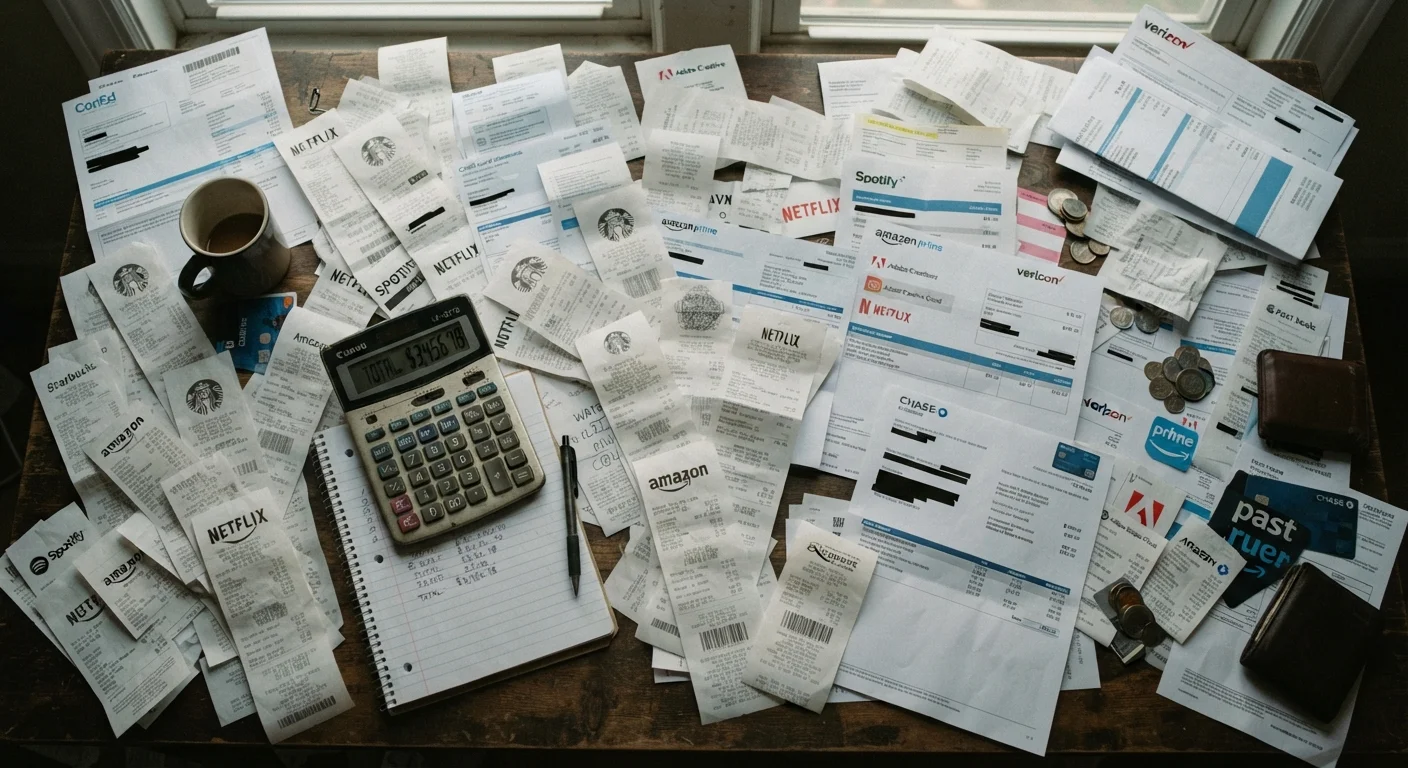
Photo credit: FindersGroove.com | Discover Important Information
In this article
Subscription creep, maintenance fees, and add-ons can erode your budget without notice. Here's where to look and what to do.
Key Takeaways
- Subscription creep, auto-renewals, and bundled fees are among the most common sources of unnoticed spending.
- Underestimating ownership costs - maintenance, insurance, consumables - routinely inflates the real price of purchases.
- A regular spending audit, not just a budget, is the most reliable way to surface and eliminate hidden drains.
- Intentional financial limits only work when you account for recurring costs before committing to a purchase.
Why Hidden Costs Are So Effective at Escaping Notice
Most people don't overspend on a single bad decision - they overspend through accumulation. A subscription here, an auto-renewed plan there, a pre-checked add-on at checkout, a maintenance bill that seemed unpredictable but wasn't. Individually, none of these feels significant. Together, they can quietly consume hundreds of dollars a month that your budget never formally allocated.
The design is rarely accidental. Subscription billing is structured to reduce friction after sign-up; checkout flows are built to increase order value; ownership costs are disclosed in fine print, not the advertised price. Understanding these patterns is the first step toward spending intentionally rather than reactively.
~$219/mo
Average underestimated subscription spend
A 2022 C+R Research survey found that consumers underestimated their monthly subscription spending by an average of $133, with actual spend averaging around $219 per month.
42%
Buyers who regret impulse add-on purchases
A NerdWallet survey found roughly 4 in 10 Americans reported buyer's remorse tied to unplanned or add-on purchases made during a larger transaction.
If you've noticed your income rising without a corresponding improvement in financial breathing room, lifestyle inflation may also be a factor worth examining alongside hidden costs.
The Mistakes That Let Hidden Costs Compound
The following patterns show up repeatedly when people audit their spending and discover the gap between what they thought they were spending and what they actually were. Each one is correctable - but only once it's visible.
Treating the purchase price as the total cost of ownership.
Why it happens: Marketing focuses on the upfront number, and it's the figure most visible during the buying decision. Ongoing costs - maintenance, accessories, consumables, insurance - are easy to defer mentally until they arrive.
Letting subscription services accumulate without a periodic review.
Why it happens: Each individual subscription feels manageable in isolation. The problem is additive: five or six small charges compound into a meaningful monthly drain that rarely gets reconsidered after sign-up.
Ignoring bundled or auto-selected add-ons at checkout.
Why it happens: Retailers and service providers design checkout flows to default to add-ons - extended warranties, seat upgrades, priority processing - knowing most buyers won't un-check them. The individual cost seems minor in context of the larger purchase.
Failing to distinguish between a low price and genuine value.
Why it happens: A discounted price creates a sense of winning, which can override honest evaluation of whether you needed the item or will actually use it. Volume discounts and "buy more, save more" structures amplify this.
Building a budget around income without accounting for irregular expenses.
Why it happens: Monthly budget templates encourage month-by-month thinking, but many real costs - annual software renewals, car registration, medical deductibles - don't arrive monthly. When they do, they look like emergencies rather than predictable expenses.
Hidden Costs Are a Budgeting Problem First
No budgeting system fully works if recurring charges and ownership costs aren't tracked from the start. Before adding a new subscription or making a major purchase, factor in every downstream cost - not just the sticker price. This article is general financial information and not personalized financial advice; consult a licensed financial professional for guidance specific to your situation.
Addressing these mistakes doesn't require dramatic cuts. It requires visibility. Once you know where money is quietly leaving, you can make an active choice about whether each cost is worth keeping - rather than letting inertia decide for you. For practical ways to reduce spend without sacrificing quality of life, see stretching a tight budget.
Auto-Renewals Can Silently Reset Your Budget
Many services renew annually at a higher rate than the original promotional price - often with minimal notice. If you don't audit your bank and card statements at least quarterly, these increases can compound undetected for years. Set a calendar reminder before each renewal date to decide whether the service still earns its place in your budget.
Making Your Budget Reflect What You Actually Spend
A budget that doesn't account for hidden and irregular costs isn't a plan - it's a wish. The fix is less about restricting spending and more about surfacing the full picture before money leaves your account. Start by pulling three months of bank and card statements and categorizing every charge, including the ones you'd forgotten about. That list is your real budget baseline.
From there, the goal is intentionality: every recurring charge should be a conscious choice, not a default. Every major purchase should be evaluated on total cost of ownership, not sticker price. The budgeting basics that make this sustainable are simpler than most people expect - the barrier is usually awareness, not willpower.
This article is for general informational and educational purposes only. It is not personalized financial advice. Please consult a qualified financial professional for guidance tailored to your individual circumstances.

Author
Smart Shopping Editorial Team
Smart Shopping Editorial Team is the collective byline for our editorial team and contributor network. Articles published under this byline or an editorial pen name are researched, written, and reviewed according to our editorial standards for clarity, consistency, and independence before publication.
View all articles →