
When Budgeting Apps Replace Self-Awareness
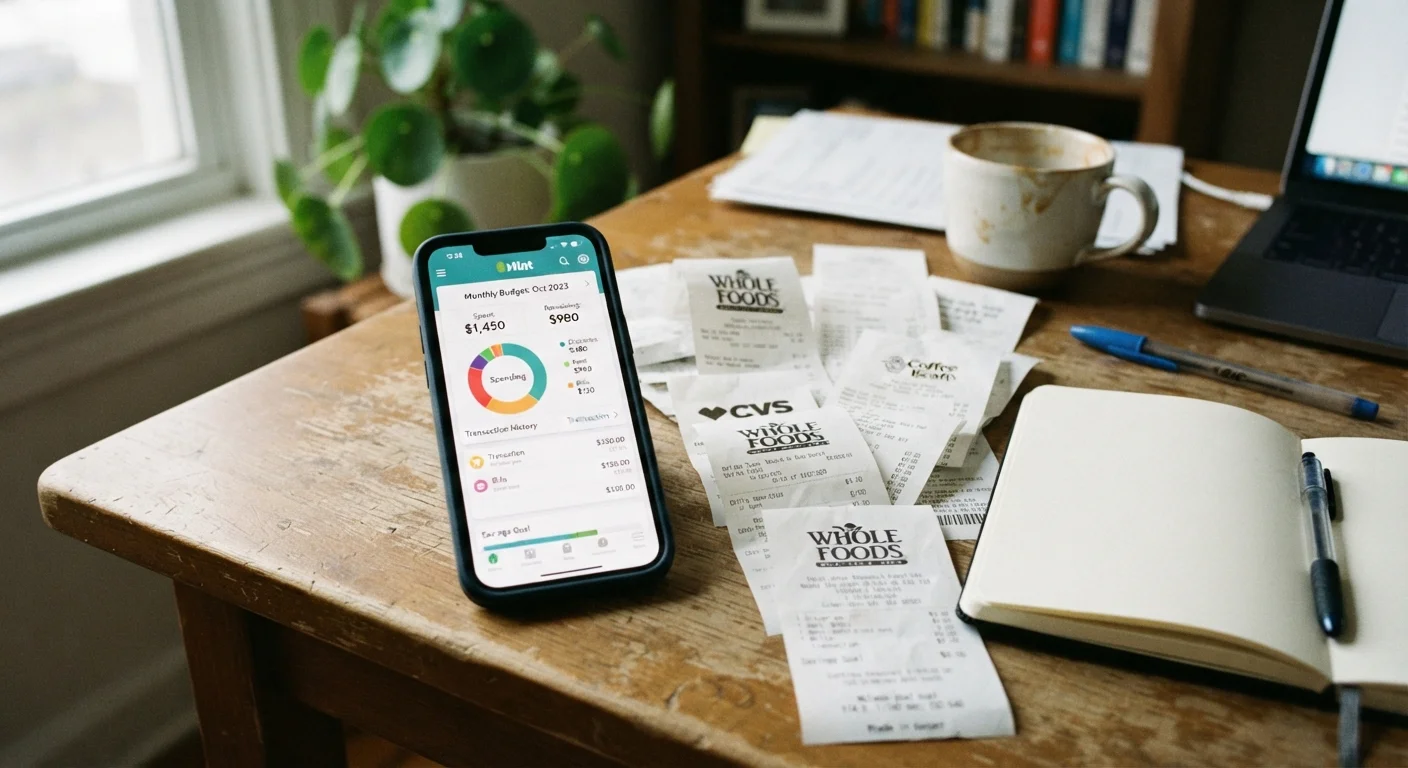
Photo credit: FindersGroove.com | Discover Important Information
Tracking tools can support intentional spending — but relying on them alone can obscure the habits and emotions that drive overspending.
Key Takeaways
- Budgeting apps record transactions but cannot identify the emotional triggers behind your spending decisions.
- Over-reliance on automation can create a false sense of financial control without changing actual behavior.
- Self-awareness - noticing why and how you spend - is what turns data into lasting change.
- The most effective approach combines app data with regular personal reflection and honest review.
The Tool Isn't the Strategy
Budgeting apps have genuinely lowered the barrier to financial awareness. Linking accounts, auto-categorizing purchases, and visualizing spending patterns used to require spreadsheet discipline most people couldn't sustain. Now an app does the categorization for you.
But there's a gap between tracking spending and understanding it. An app can tell you that you spent $340 on dining out last month. It cannot tell you that half of those transactions happened after stressful workdays, or that two of them were impulsive solo dinners meant to fill a gap the money didn't really fix.
That gap matters. When a tool substitutes for introspection rather than supporting it, the data piles up - and behavior barely shifts. The psychology behind overspending is rooted in emotion and habit, not ignorance of numbers.
Treating a green dashboard as permission to keep spending.
Why it happens: When an app shows you're "on track," it creates psychological relief - even if your targets were set too loosely to begin with.
Ignoring uncategorized or miscategorized transactions.
Why it happens: Auto-categorization is imperfect, and manually reviewing messy transactions feels tedious, so people skip it.
Using the app's average as a personal norm without questioning it.
Why it happens: Seeing your average grocery or entertainment spend framed as a benchmark makes it feel validated - even if that average reflects months of drift.
Never reflecting on the emotional context of spending decisions.
Why it happens: Apps display transactions as neutral data points, which encourages a purely numerical view of money - missing the emotional layer entirely.
Confusing automation with discipline.
Why it happens: Auto-syncing accounts and scheduled savings transfers genuinely reduce friction - but they can also produce a set-it-and-forget-it mindset that bypasses active decision-making.
What Over-Reliance Actually Costs You
The problem isn't using an app - it's treating the app as the end of the process instead of the beginning. Several patterns emerge when people outsource financial self-awareness to software.
~33%
App users who change spending behavior
Research on personal finance app adoption consistently finds that a minority of users translate tracking data into sustained behavioral change, according to consumer finance studies.
60%+
Purchases driven by emotional state
Behavioral economics research suggests the majority of unplanned purchases are linked to emotional triggers such as stress, boredom, or social comparison rather than need.
If you've ever thought "I'm being responsible, I have an app for that" while still feeling like money disappears each month, the tool may be providing the feeling of control without the substance of it. A spending audit goes further - it surfaces patterns and values gaps that categorized transactions alone won't reveal.
Apps also tend to normalize your current spending shape. If emotional or habitual overspending is already baked into your averages, the app may flag nothing unusual - it simply reflects your pattern back at you without judgment or context.
Passive Tracking Can Mask Slow Drift
Spending categories can creep upward gradually - small enough each month that no alert fires, but meaningful over a year. An app will record the drift faithfully without flagging that your habits have quietly shifted away from your goals. Active, reflective review is the only way to catch this. Don't wait for a red bar to prompt the conversation with yourself.
The fix isn't abandoning the tool. It's pairing it with a regular, honest review - asking not just what you spent, but why, and whether it matched what you actually value. That's the foundation of intentional spending: directing money toward what genuinely matters, not just categorizing where it went.
If you're ready to move from tracking to a real plan, turning awareness into action is the next step - and building a budget that reflects your real life ensures the plan doesn't drift into generic advice that doesn't stick.
This article is for general informational purposes only and does not constitute personalized financial advice. For guidance specific to your situation, consider consulting a qualified financial professional.

Author
Smart Shopping Editorial Team
Smart Shopping Editorial Team is the collective byline for our editorial team and contributor network. Articles published under this byline or an editorial pen name are researched, written, and reviewed according to our editorial standards for clarity, consistency, and independence before publication.
View all articles →