
Before You Add to Cart: A Pre-Purchase Reflection Checklist
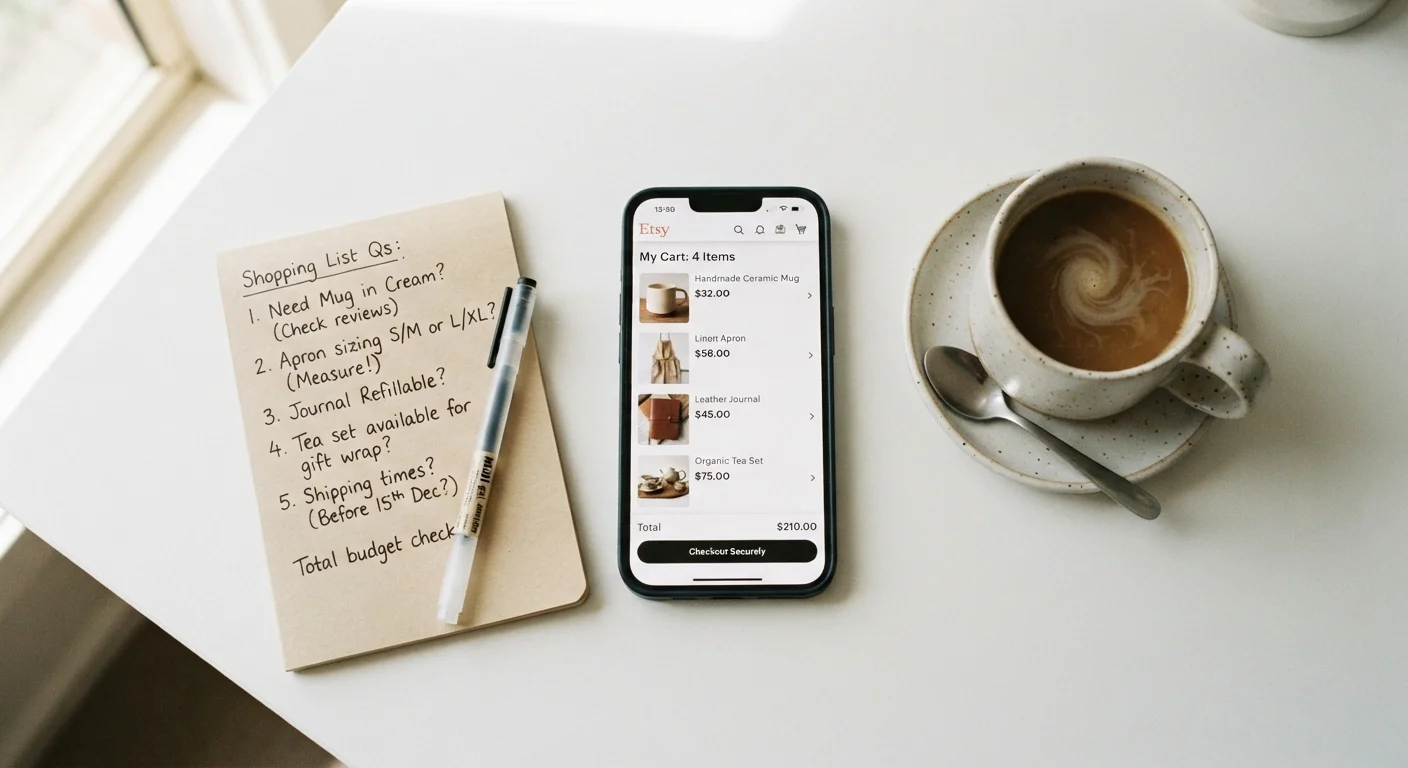
Photo credit: FindersGroove.com | Discover Important Information
Run through these questions before any non-essential purchase to separate genuine need from momentary desire.
Key Takeaways
- Most impulse purchases feel urgent but aren't - a brief pause reveals which ones hold up.
- Separating emotional triggers from genuine need is the foundation of regret-free shopping.
- Checking what you already own before buying is a reliable first filter against redundancy.
- Budget fit and opportunity cost matter more than whether you can technically afford something.
- A consistent pre-purchase habit compounds over time into meaningful financial clarity.
Why You Need a Ritual Before You Buy
Online shopping is engineered for speed. One-click checkout, countdown timers, and "low stock" nudges are designed to compress the gap between impulse and action. The result: purchases that feel satisfying for about twenty minutes before regret sets in.
This checklist isn't about guilt or deprivation. It's a structured pause - a way to run your own mental audit so that what you buy actually reflects what you value. Research in consumer psychology consistently shows that buying decisions made quickly under emotional arousal tend to produce lower long-term satisfaction than those made with brief deliberate reflection. You don't need a 30-day freeze on every order, but you do need a repeatable process.
For context on how shopping traps work against you even when you're being careful, see common shopping pitfalls that catch even attentive buyers off guard. And if you're new to thinking about broader spending habits, the Consumer Awareness hub is a solid starting point.
Trigger Check
Need vs. Want
Budget & Opportunity Cost
Longevity & Fit
Final Decision Gate
How to Use This Checklist
Work through each group in order before confirming any non-essential purchase - whether it's a $15 impulse add-on or a $300 planned splurge. The threshold doesn't change the process; what changes is how much time you spend on each question.
Items marked must are non-negotiable filters. If you can't answer them honestly in favor of the purchase, that's meaningful data. Should items add depth; skipping them occasionally is fine, but they catch blind spots. Nice-to-have questions are worth asking when stakes are higher or the item is a category you tend to overbuy.
Notes app or paper journal
Record your answers to each checklist question so you can revisit them after the waiting period.
Monthly budget tracker or spreadsheet
Verify the purchase fits within your current spending plan before committing.
Browser wishlist or save-for-later feature
Park items you're unsure about without losing them, giving your decision time to clarify.
If you're evaluating a wardrobe or household item, pair this checklist with a wardrobe audit to first understand what you already own. For purchases where the delay is viable, a deliberate waiting period can do much of this work passively. And if you're dealing with a major financial decision rather than a lifestyle purchase, the framing in an investment readiness checklist applies a similarly rigorous lens to your money.
Sales Deadlines Are Usually a Tactic
"Ends tonight" and "only 3 left" messaging is a standard mechanism to compress your decision window. In most categories, comparable pricing cycles back within weeks. Treat artificial urgency as a signal to slow down, not speed up - if the item is genuinely right for you, a brief delay to run this checklist won't cost you meaningfully.
Affordability Isn't the Same as Good Value
Being able to cover a purchase doesn't make it a sound decision. An item that technically fits your budget but competes with savings goals, debt repayment, or a more important deferred purchase still has a real cost. The opportunity cost question in the Budget group is often the most revealing filter in this entire checklist.
This article is for general informational and educational purposes only and does not constitute financial, medical, or professional advice. For decisions involving significant sums or personal circumstances, consult a qualified professional.

Author
Smart Shopping Editorial Team
Smart Shopping Editorial Team is the collective byline for our editorial team and contributor network. Articles published under this byline or an editorial pen name are researched, written, and reviewed according to our editorial standards for clarity, consistency, and independence before publication.
View all articles →