
Paying Yourself First: What It Means and How It Changes Your Habits
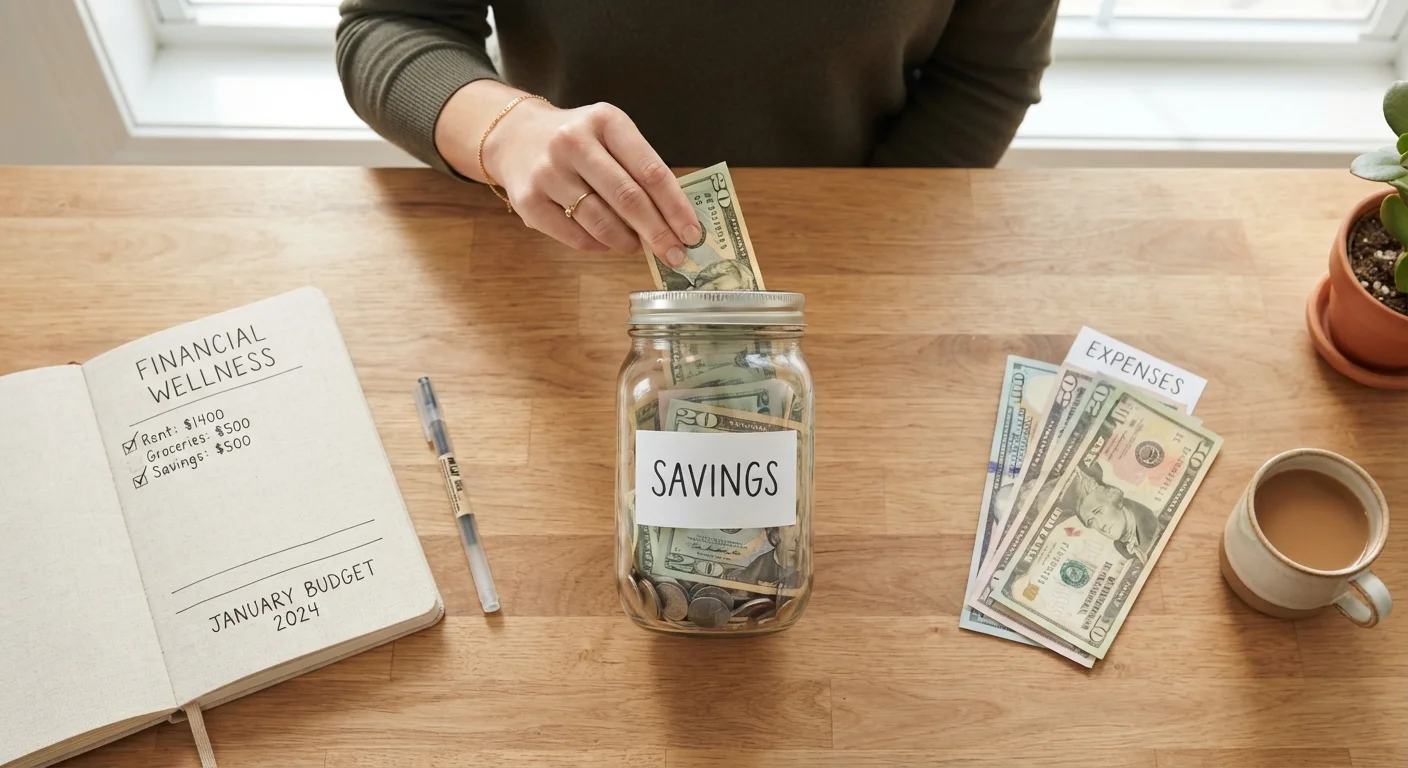
Photo credit: FindersGroove.com | Discover Important Information
In this article
The 'pay yourself first' principle flips the traditional savings model. Here's the logic behind it and how to put it into practice on any income.
Key Takeaways
- Saving before spending removes the temptation to spend first and save what's left.
- Even small consistent contributions build meaningful savings over time.
- Automation makes pay-yourself-first nearly effortless to maintain.
- This strategy works on any income level - the amount matters less than the habit.
- The approach pairs well with an overall budget that reflects your actual spending values.
The Problem With Saving What's Left Over
Most people follow an intuitive spending sequence: income arrives, bills get paid, groceries are bought, entertainment is enjoyed - and savings receive whatever remains. The problem is that something almost always consumes that remainder. Lifestyle costs tend to expand to fill available money, a pattern behavioral economists describe as a form of lifestyle inflation.
The pay-yourself-first approach inverts this sequence entirely. Savings leave your account before you make any discretionary decisions. What remains is what you actually have to spend - and you spend it without guilt or second-guessing, because the saving is already done.
This isn't a new idea. The principle has been a fixture of personal finance education for decades, appearing in works ranging from classic financial self-help to mainstream budgeting frameworks. Its durability reflects a simple truth: systems beat willpower. Relying on end-of-month discipline to save consistently rarely works because it competes with dozens of other spending decisions made throughout the month.
This Strategy Works Alongside - Not Instead Of - a Budget
Pay yourself first is a rule for sequencing your money, not a complete financial plan. It works best when combined with a realistic view of your spending and priorities. For guidance on aligning your spending with your values, the broader context of how you direct money matters just as much as when you save it.
How the Habit Actually Changes Your Behavior
The behavioral shift that pay-yourself-first creates is more significant than it might appear. When savings are automatic and immediate, your brain recalibrates your sense of what's available to spend. Within a few months, most people stop noticing the diverted funds - they adapt their discretionary spending to the lower baseline without feeling deprived.
This is sometimes called the "set and forget" effect. Research in behavioral economics has consistently shown that automatic enrollment - in retirement plans, for instance - dramatically increases participation rates compared to opt-in models. The U.S. SECURE 2.0 Act, signed into law in 2022, expanded automatic enrollment requirements in workplace retirement plans partly because of this evidence.
~57%
Americans who could not cover a $1,000 emergency
According to a Bankrate survey, a majority of U.S. adults would struggle with an unexpected $1,000 expense, underscoring why proactive saving matters.
15%+
Increase in retirement plan participation with auto-enrollment
Studies cited by the U.S. Department of Labor have shown that automatic enrollment in workplace retirement plans significantly raises participation compared to voluntary opt-in programs.
The habit also creates a compounding psychological benefit: watching your savings balance grow tends to reinforce the behavior. Early evidence of progress makes it easier to maintain and even increase contributions over time. If you want to explore how automation locks in this pattern, see our piece on automating your finances.
Putting It Into Practice
Starting is more straightforward than most people expect. The core steps are:
- Decide on an amount or percentage. Choose something that feels slightly uncomfortable but achievable - not so large that it creates immediate hardship. A starting point of 5% of take-home pay is reasonable for many people, though your situation may call for something different.
- Open a separate savings account if you don't already have one designated for this purpose. Physical separation makes it harder to spend funds impulsively.
- Automate the transfer. Schedule it to occur on payday, before you have a chance to spend. Most banks allow recurring transfers set to any date or frequency.
- Leave it alone. Pay-yourself-first savings should not be a source of casual spending. Decide in advance what the money is for - an emergency fund, a specific goal, or retirement contributions.
It's worth being clear that paying yourself first doesn't replace a thoughtful budget - it anchors it. For a broader framework that incorporates this habit, see our guide to building your first budget. And if you're tempted to delay until your income improves, our article on why that reasoning tends to backfire is worth reading first.
Start Small, Then Scale Up
If saving 10% feels out of reach today, begin with 1-2% and schedule an automatic increase every three to six months. Many employer retirement platforms allow you to set contribution escalation on a timer, making the step-up completely hands-off. Small, consistent increases rarely disrupt your lifestyle but add up significantly over years.
This article is for general informational and educational purposes only and does not constitute personalized financial advice. Please consult a qualified financial professional for guidance suited to your individual circumstances.
Frequently Asked Questions

Author
Money & Finance Editorial Team
Money & Finance Editorial Team is the collective byline for our editorial team and contributor network. Articles published under this byline or an editorial pen name are researched, written, and reviewed according to our editorial standards for clarity, consistency, and independence before publication.
View all articles →