
Navigating Nutrition When You Cook for One
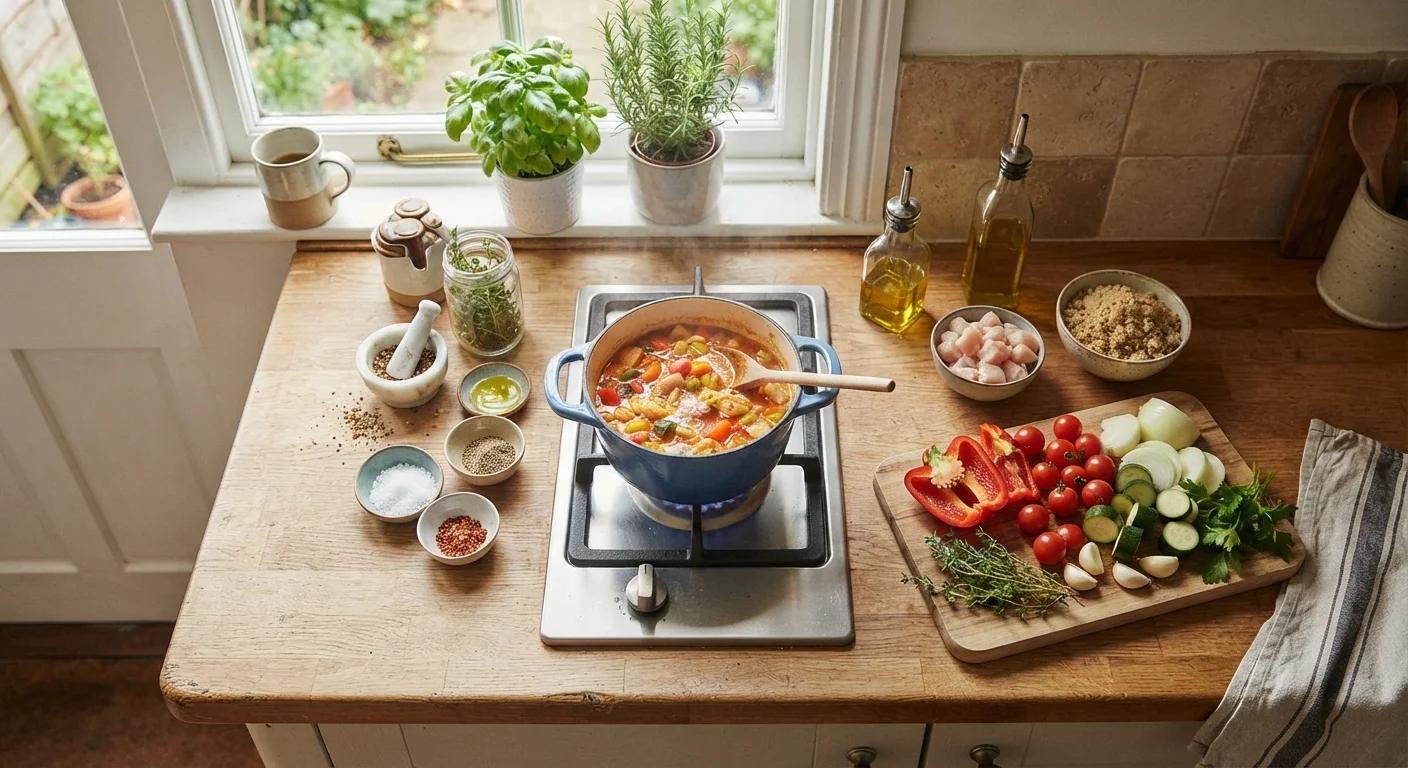
Photo credit: FindersGroove.com | Discover Important Information
In this article
Solo cooking comes with unique challenges — portion sizing, food waste, and motivation. Practical guidance on eating well without cooking for a crowd.
Key Takeaways
- Cooking for one is easier when you build meals around a few versatile, nutrient-dense staples.
- Strategic batch cooking reduces food waste and decision fatigue throughout the week.
- Portion sizing for solo meals doesn't require complex math - simple visual guides work well.
- Frozen and canned whole foods are nutritionally valid and reduce spoilage significantly.
- Motivation to cook solo improves when you treat meals as a worthwhile investment in yourself.
Why Solo Cooking Feels Harder Than It Should
Cooking for yourself sits at an odd intersection: too much food if you follow standard recipes, too much waste if produce goes unused, and too little reward if eating alone feels like a chore. These aren't character flaws - they're predictable friction points that most solo cooks encounter.
The good news is that eating well when you live alone doesn't require reinventing your diet. It requires adapting your approach to match your actual circumstances. That means smaller batch sizes, smarter ingredient choices, and realistic expectations about how much cooking you'll actually do on a Thursday evening.
If you're newer to thinking intentionally about food, our introduction to nutrition for beginners provides a solid, jargon-free starting point before diving into the steps below.
What you will need
What You'll Need Before You Start
Equipping your kitchen for solo cooking doesn't mean buying specialized gadgets. The essentials are modest and likely already in your home. The key is right-sizing your tools to match single-portion cooking - a large stockpot for one cup of rice wastes energy and creates unnecessary cleanup.
Small saucepan (1-2 quart)
Right-sized for cooking single portions of grains, soups, or sauces without waste.
Airtight storage containers (single-serving size)
Used for portioning batch-cooked food and storing leftovers safely in the fridge or freezer.
Kitchen scale or measuring cups
Helps calibrate portion sizes until visual estimation becomes second nature.
Sheet pan (quarter-size)
Ideal for roasting a single serving of vegetables or protein efficiently in a standard oven.
Beyond equipment, give yourself permission to use convenient formats. Canned tomatoes, frozen edamame, pre-cooked lentils, and rotisserie chicken are all legitimate nutritional choices - not shortcuts to feel guilty about.
This Is General Nutrition Information
The guidance here is educational and not a substitute for personalized medical or dietary advice. Individual nutritional needs vary based on health status, activity level, and other factors. If you have a specific health condition or dietary concern, consult a registered dietitian or qualified healthcare provider.
Step-by-Step: Building Your Solo Cooking System
The steps below aren't a strict recipe - they're a repeatable system you can adapt each week. Work through them in order the first time to build the habit, then mix and match as the approach becomes second nature.
Stock a Solo-Friendly Pantry
The foundation of eating well alone is a pantry stocked with ingredients that scale down easily and last. Prioritize: dried or canned legumes (lentils, chickpeas, black beans), whole grains (brown rice, oats, farro), canned fish, eggs, and a rotating selection of fresh or frozen vegetables.
Frozen vegetables deserve a real place in your kitchen. Research consistently shows that freezing preserves most of a vegetable's nutritional value, and they eliminate the pressure to use produce before it wilts. Keep two or three frozen options on hand as a reliable fallback.
Learn Simple Visual Portion Sizing
You don't need to weigh every meal. General nutrition guidance from registered dietitians often uses visual cues: a palm-sized amount for protein, a cupped hand for cooked grains, and filling roughly half your plate with vegetables. These aren't rigid rules - they're starting reference points.
What matters more than precision is consistency and variety over time. A single meal doesn't define your nutritional status; patterns across days and weeks do.
Plan Around a Weekly Template, Not a Rigid Menu
Rather than planning specific meals for each day - which often fails by Wednesday - try planning by category. For example: two nights of a grain bowl base, two nights of a protein with roasted vegetables, one night of eggs or a simple soup, and two nights of intentional leftovers or a flexible meal.
This approach dramatically reduces the mental load of solo cooking. For a more detailed framework, our guide on meal planning that holds up through the week walks through this system step by step.
Batch Cook One or Two Versatile Components
You don't need to batch cook full meals. Cooking one grain and one protein in larger quantities - then mixing and matching with fresh ingredients during the week - gives flexibility without monotony. Cook a pot of farro on Sunday; pair it with eggs Monday, canned salmon Tuesday, and roasted vegetables Wednesday.
Address the Motivation Gap Directly
Many solo cooks report that low motivation - not skill or knowledge - is the real barrier. Cooking a full meal for yourself can feel disproportionate to the effort. Acknowledging this openly is important: it's a real psychological pattern, not a personal failing.
Small reframes help: set up a comfortable eating space, listen to something you enjoy while cooking, or treat one weekly meal as something you genuinely look forward to making. Recognizing patterns that quietly undermine your eating habits - such as defaulting to skipping meals when tired - is also worth exploring. See our piece on eating patterns that undermine a decent diet for more on this.
The Freezer Is Your Best Sous-Chef
Portioning and freezing cooked grains, legumes, and proteins in single-serving containers means you always have a nutritious base ready to build on. Label with the date and aim to use within two to three months for best quality. A small upfront effort pays off across many low-effort meals.
Don't Ignore Persistent Food Fatigue
Consistently skipping meals or relying on the same two foods because cooking feels pointless can signal something deeper - stress, low mood, or disordered eating patterns. If eating feels like a burden most of the time, speaking with a healthcare professional is a worthwhile step, not an overreaction.
Keeping It Sustainable Over Time
The goal isn't a perfect diet - it's a consistent, flexible approach that doesn't collapse the moment your week gets busy. Solo cooking is one of the clearest opportunities to develop a relationship with food that's genuinely yours: no preferences to negotiate, no one else's schedule to accommodate.
Resist the pull toward overly complex meal prep routines you've seen online. Most sustainable solo cooking habits are quietly unglamorous: a batch of grains in the fridge, some reliable frozen vegetables, and two or three meals you know how to make without thinking too hard. That foundation holds up far better than elaborate systems that demand perfect conditions.
This article is for general informational and educational purposes only. It is not a substitute for personalized advice from a qualified healthcare provider or registered dietitian. Individual nutritional needs differ - please consult a professional for guidance specific to your circumstances.

Author
Health & Wellness Editorial Team
Health & Wellness Editorial Team is the collective byline for our editorial team and contributor network. Articles published under this byline or an editorial pen name are researched, written, and reviewed according to our editorial standards for clarity, consistency, and independence before publication.
View all articles →