
Breathwork as a Daily Practice: What the Evidence Says
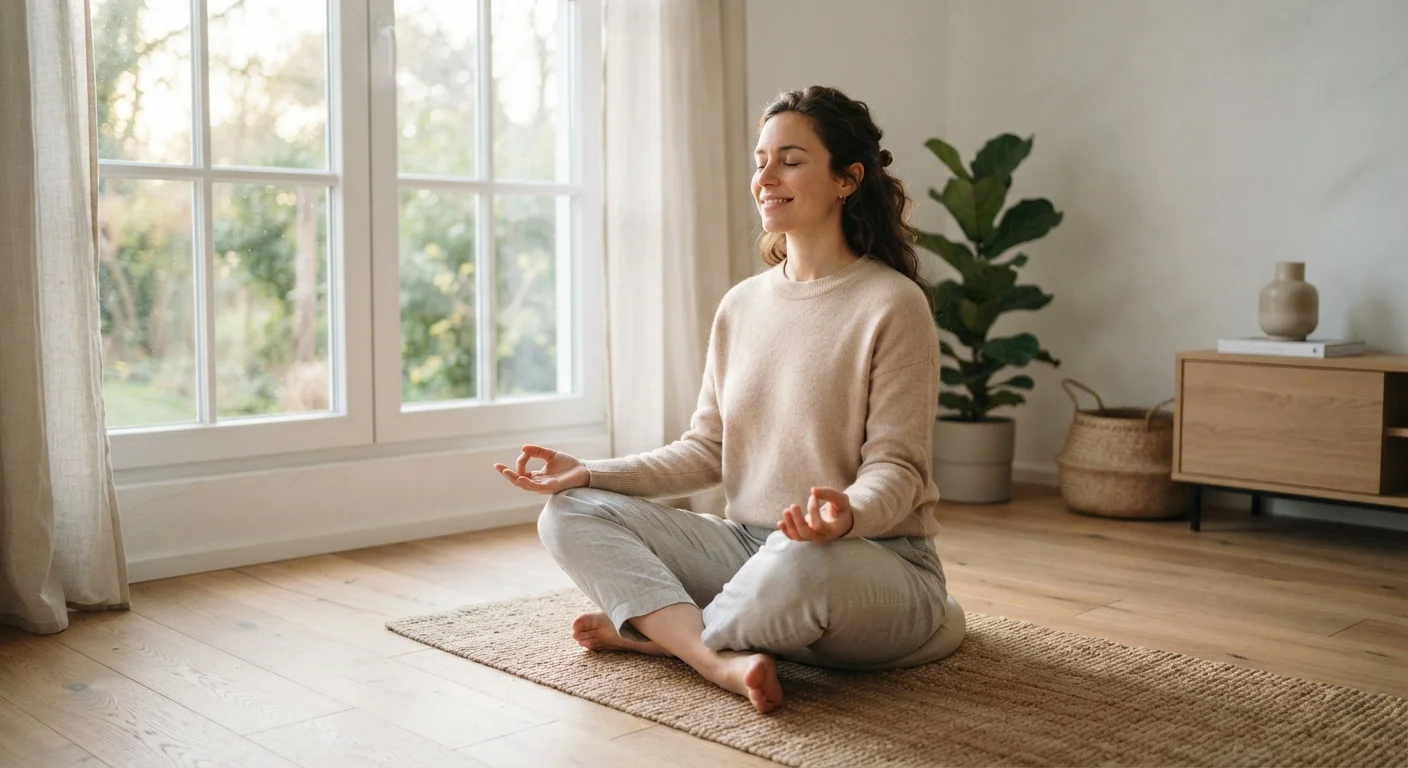
Photo credit: FindersGroove.com | Discover Important Information
In this article
Breathwork has moved from yoga studios into mainstream wellness. Here's an honest look at what research supports and where claims get overstated.
Key Takeaways
- Breathwork is supported by genuine research for stress reduction and anxiety management.
- Most benefits come from consistent daily practice, not occasional use during crises.
- Some breathwork techniques carry real risks, especially for people with certain health conditions.
- Not all breathwork claims are backed by strong evidence - overhyped benefits do exist.
- Simple techniques like slow diaphragmatic breathing are accessible to most people without training.
Low cost and requires no equipment
Basic breathwork needs nothing beyond a few undisturbed minutes. This removes the financial and logistical barriers that prevent many people from starting other wellness habits.
Meaningful stress and anxiety reduction
Slow-paced and cyclic breathing techniques have demonstrated measurable effects on nervous system markers of stress in multiple peer-reviewed studies, making them among the better-evidenced self-directed mental health tools.
Builds quickly into a sustainable daily habit
Short sessions of five to ten minutes are sufficient for most studied benefits, making it realistic to maintain consistently even on busy days.
Portable and context-flexible
Unlike gym workouts or meditation apps that require specific environments, breathwork can be practiced almost anywhere - at a desk, on a commute, or in bed.
Complements other wellness practices
Breathwork pairs naturally with movement, sleep hygiene, and mindfulness without competing for time, making it easy to layer into an existing routine.
Evidence base is still developing
While promising, most breathwork research involves small sample sizes, short durations, and self-reported outcomes. Larger, longer-term randomized controlled trials are limited.
Some techniques carry real safety risks
Intense hyperventilation-based methods can trigger lightheadedness, anxiety spikes, or fainting. People with cardiovascular conditions or trauma histories should seek professional guidance before trying advanced practices.
Wellness industry frequently overstates benefits
Claims about breathwork curing disease or delivering dramatic physical transformations far outpace available clinical evidence, making it difficult for consumers to calibrate realistic expectations.
Requires consistency to deliver results
Occasional breathwork during stressful moments may offer short-term relief but does not replicate the neurological and emotional benefits seen in studies where participants practiced daily for weeks.
Not a replacement for professional care
Breathwork can complement support for anxiety or sleep difficulties, but it is not a substitute for therapy, medication, or medical evaluation when those are clinically indicated.
What Breathwork Actually Is
Breathwork is an umbrella term for intentional breathing exercises that deliberately alter rate, depth, or pattern of breath. It spans a wide spectrum - from simple slow-breathing techniques practiced in clinical psychology to elaborate traditions like holotropic breathwork or Wim Hof-style hyperventilation. That breadth matters, because the evidence behind different techniques varies enormously.
At its most accessible, breathwork means slowing your exhale, breathing from the diaphragm, or following a timed inhale-hold-exhale pattern. These are the practices most studied in peer-reviewed research, and they're also the easiest to build into a daily mental wellness routine without any equipment or specialized instruction.
Breathwork vs. Meditation: A Key Distinction
Breathwork and mindfulness meditation are related but distinct practices. Meditation often uses breath as a passive anchor for attention, while breathwork actively manipulates breathing patterns to produce physiological change. Research on each is largely separate, so evidence for one does not automatically transfer to the other. Both can be valuable - they simply work through different mechanisms.
What Research Actually Supports
The clearest evidence for breathwork centers on the autonomic nervous system. Slow-paced breathing - typically around five to six breath cycles per minute - activates the parasympathetic nervous system, the branch responsible for the body's rest-and-digest response. Studies published in peer-reviewed journals including Frontiers in Human Neuroscience and Psychophysiology show this can meaningfully reduce heart rate variability markers associated with stress.
For anxiety and mood, a 2023 study published in Cell Reports Medicine found that cyclic sighing - a specific exhale-focused pattern - reduced self-reported anxiety and improved mood more effectively than mindfulness meditation over a one-month daily practice period. Importantly, benefits grew with consistency, reinforcing that breathwork functions best as a habit, not a one-time intervention.
Sleep quality is another area with reasonable supporting evidence. Slow breathing before bed has been associated with reduced time to sleep onset and improved subjective sleep quality in several small-to-moderate trials, though large randomized controlled trials remain limited.
5 min/day
Minimum daily practice linked to mood improvement
A 2023 Cell Reports Medicine study found daily five-minute cyclic sighing improved mood and reduced anxiety over four weeks.
~5-6
Breath cycles per minute in most studied slow-breathing protocols
Research in Psychophysiology and related journals identifies this pace as optimal for activating parasympathetic nervous system response.
The Honest Trade-Offs
Like walking as exercise, breathwork is often simultaneously undersold and oversold. Understanding the genuine pros and cons helps you build realistic expectations.
Low cost and requires no equipment
Basic breathwork needs nothing beyond a few undisturbed minutes. This removes the financial and logistical barriers that prevent many people from starting other wellness habits.
Meaningful stress and anxiety reduction
Slow-paced and cyclic breathing techniques have demonstrated measurable effects on nervous system markers of stress in multiple peer-reviewed studies, making them among the better-evidenced self-directed mental health tools.
Builds quickly into a sustainable daily habit
Short sessions of five to ten minutes are sufficient for most studied benefits, making it realistic to maintain consistently even on busy days.
Portable and context-flexible
Unlike gym workouts or meditation apps that require specific environments, breathwork can be practiced almost anywhere - at a desk, on a commute, or in bed.
Complements other wellness practices
Breathwork pairs naturally with movement, sleep hygiene, and mindfulness without competing for time, making it easy to layer into an existing routine.
Evidence base is still developing
While promising, most breathwork research involves small sample sizes, short durations, and self-reported outcomes. Larger, longer-term randomized controlled trials are limited.
Some techniques carry real safety risks
Intense hyperventilation-based methods can trigger lightheadedness, anxiety spikes, or fainting. People with cardiovascular conditions or trauma histories should seek professional guidance before trying advanced practices.
Wellness industry frequently overstates benefits
Claims about breathwork curing disease or delivering dramatic physical transformations far outpace available clinical evidence, making it difficult for consumers to calibrate realistic expectations.
Requires consistency to deliver results
Occasional breathwork during stressful moments may offer short-term relief but does not replicate the neurological and emotional benefits seen in studies where participants practiced daily for weeks.
Not a replacement for professional care
Breathwork can complement support for anxiety or sleep difficulties, but it is not a substitute for therapy, medication, or medical evaluation when those are clinically indicated.
Where Claims Get Overstated
The wellness industry has attached breathwork to an ambitious list of claims - from reversing autoimmune disease to dramatically boosting athletic performance. Most of these lack robust clinical evidence. Testimonials and anecdotes are plentiful; rigorous, replicated trials are not.
Intense hyperventilation-based techniques, in particular, can cause lightheadedness, tingling, or in rare cases fainting. People with cardiovascular conditions, epilepsy, a history of trauma, or anxiety disorders should consult a qualified healthcare professional before attempting any advanced breathwork method. This is general health information, not personal medical advice - your individual circumstances matter significantly.
It's also worth applying the same critical lens you'd bring to any wellness trend with real trade-offs: ask what population was studied, how large the trial was, and whether benefits were self-reported or objectively measured.
Building Breathwork Into Your Day
The most evidence-aligned approach is also the simplest: five to ten minutes of slow, diaphragmatic breathing each day - ideally at the same time, such as after waking or before bed. Consistency appears to matter more than technique complexity or session length.
Guided apps, audio recordings, or a simple phone timer can serve as scaffolding while the habit forms. There's no certification required to practice basic breathing exercises, and the financial cost is zero - an accessible entry point compared with many wellness interventions. For broader context on building sustainable habits, the Fitness & Movement hub covers complementary movement practices that pair well with daily breathwork.
This article is for general informational and educational purposes only and is not a substitute for professional medical advice, diagnosis, or treatment. Always consult a qualified healthcare provider before beginning any new wellness practice, particularly if you have an existing health condition.

Author
Health & Wellness Editorial Team
Health & Wellness Editorial Team is the collective byline for our editorial team and contributor network. Articles published under this byline or an editorial pen name are researched, written, and reviewed according to our editorial standards for clarity, consistency, and independence before publication.
View all articles →