
Movement Snacks: Why Short Bursts of Activity Add Up
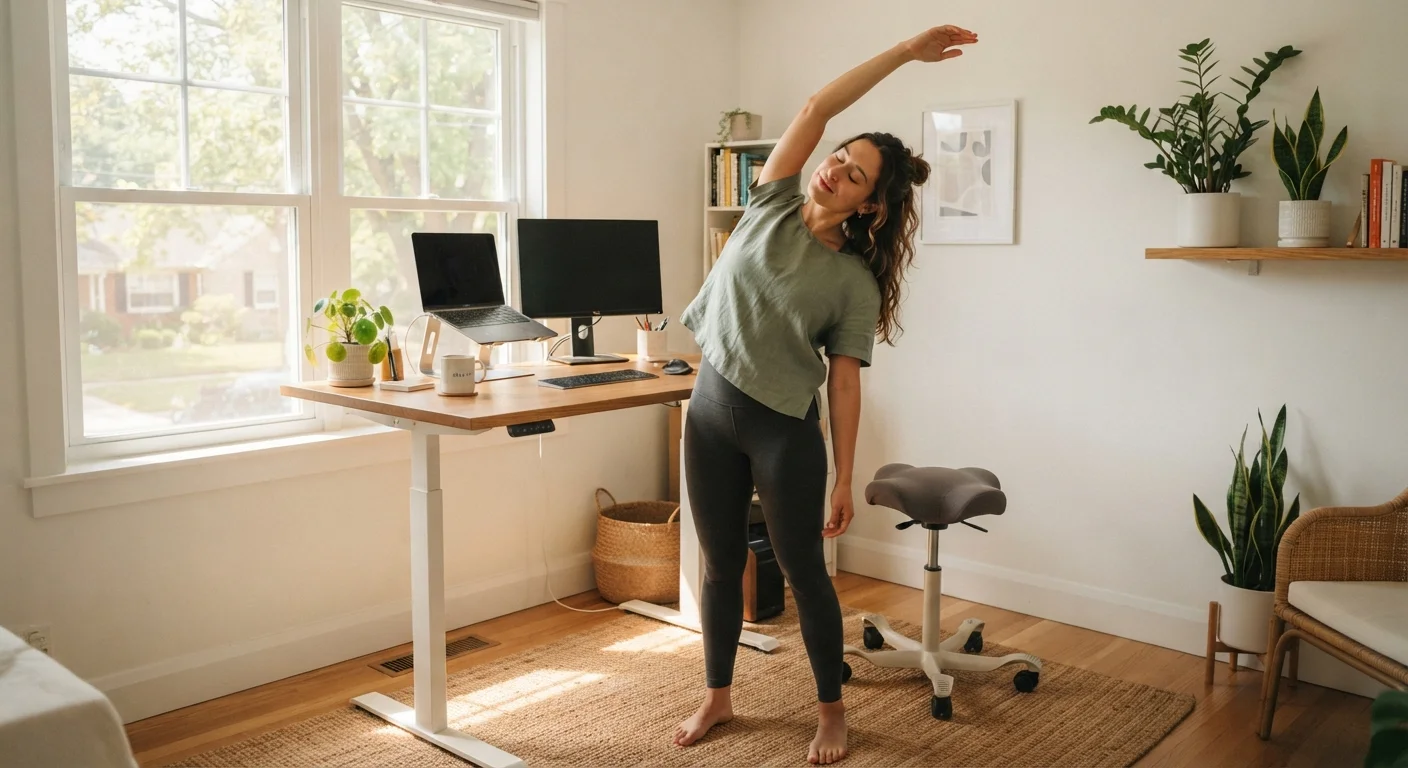
Photo credit: FindersGroove.com | Discover Important Information
In this article
You don't need hour-long sessions to stay active. Learn what movement snacks are and what the research says about their everyday benefits.
Key Takeaways
- Short bouts of movement throughout the day accumulate into meaningful health benefits.
- You don't need a gym, equipment, or a large time commitment to start.
- Research suggests even 1-5 minute activity breaks can improve energy, focus, and blood sugar regulation.
- Movement snacks work best as a complement to - not a complete replacement for - regular moderate activity.
- Habit-stacking (linking movement to existing routines) is one of the most reliable ways to make them stick.
Where the Idea Comes From
The term "movement snack" is relatively new in public wellness conversation, but the underlying science has been building for years. Researchers studying sedentary behavior began noticing that it wasn't just total inactivity that mattered - the uninterrupted nature of sitting appeared to carry its own risks. That realization sparked a wave of studies asking a simple question: what happens when you break up long sitting periods with short bursts of movement?
The findings have been encouraging. Studies published in journals focused on exercise science and metabolism have consistently shown that brief activity breaks - as short as one to three minutes - can blunt the blood sugar spikes that follow meals, reduce fatigue, and support cardiovascular function over time. This doesn't mean structured exercise is obsolete, but it does mean that the gaps between workouts matter more than most people realize.
If you spend most of your day at a desk, this research is directly relevant to you. Our article on everyday movement for desk workers explores this territory in more depth.
Why Small Doses Add Up
Think about how hydration works. Drinking a large glass of water once a day isn't as effective as smaller sips spread across the day. Movement has a similar logic. Your body responds to frequent, gentle activation differently than to one intense event followed by hours of stillness.
~30%
Reduction in post-meal blood sugar spikes
Research published in exercise physiology literature suggests short activity breaks after meals can meaningfully reduce glycemic response compared to uninterrupted sitting.
11 hours
Average daily sitting time for U.S. adults
According to survey data from the American Heart Association and related public health sources, many U.S. adults spend the majority of their waking hours sedentary.
1-5 min
Minimum effective movement snack duration
Multiple studies on exercise snacks suggest that bouts as short as one to five minutes of light-to-moderate activity can produce measurable physiological responses.
When you move - even briefly - your muscles contract and draw glucose from the bloodstream, your heart rate nudges upward, and circulation improves. These micro-responses, repeated several times a day, compound in ways that a single gym session can't fully replicate. This is especially relevant for metabolic health, where consistency of stimulation throughout the day may matter as much as peak intensity.
It's also worth noting what the research does not claim. Movement snacks are best understood as a complement to - not a substitute for - the broader activity most health guidelines recommend. If you're curious about how walking fits into this picture, our piece on walking as exercise offers a grounded, realistic look at what steady-state movement can and can't do.
Making Movement Snacks Actually Stick
Knowing something is good for you and actually doing it are two very different challenges. The most reliable strategy for building a movement snack habit is habit-stacking - attaching a short burst of movement to something you already do reliably. Before you make your morning coffee, do two minutes of stretching. Every time you finish a video call, stand up and walk a loop around your space. These anchors remove the need for willpower because the trigger is already wired into your day.
Try the "One Song Rule"
Pick one song - roughly three minutes - and commit to moving for its entire duration. Walk, stretch, dance, or do whatever feels natural. This sidesteps the planning barrier entirely and gives you a built-in timer. Consistency matters far more than intensity, especially when you're building the habit.
Enjoyment is underrated here. Research on exercise adherence consistently finds that people sustain habits they find pleasurable, not just virtuous. If dancing in your kitchen to one song actually sounds fun, that counts. If you're more likely to step outside for a brisk lap around the block, do that. The movement that happens is infinitely more valuable than the perfect movement you skip.
If you want to go further and build these snacks into a broader routine, our guide to building a weekly movement plan can help you structure things without overwhelm.
What the Research Still Doesn't Settle
It's worth being honest about what we don't yet know. Most movement snack studies have been conducted over short durations, with relatively small samples, and they often measure proxy markers (like blood glucose or self-reported energy) rather than long-term clinical outcomes. The field is evolving, and researchers are still working out the optimal frequency, duration, and intensity of activity breaks for different populations.
Research Is Still Developing
Many movement snack studies rely on short-term markers rather than long-term outcome data. While the direction of the evidence is consistently positive, the field hasn't yet established definitive recommendations for frequency and duration across all age groups and health profiles. Treat current findings as promising guidance, not final prescription.
This uncertainty doesn't undermine the core idea - it just means you shouldn't expect a perfect prescription. What holds up across the research is the general principle: less uninterrupted sitting and more varied movement throughout the day is associated with better health outcomes. The specifics can be personalized to your body, schedule, and preferences. For decisions that touch your individual health status - especially if you're managing any condition - a conversation with a healthcare professional is always the right move.
Movement snacks fit neatly within a broader philosophy of physical literacy - the idea that feeling capable and comfortable in your body is a foundation worth building, not a threshold to reach before you're allowed to start.
Frequently Asked Questions

Author
Health & Wellness Editorial Team
Health & Wellness Editorial Team is the collective byline for our editorial team and contributor network. Articles published under this byline or an editorial pen name are researched, written, and reviewed according to our editorial standards for clarity, consistency, and independence before publication.
View all articles →